



OIA members and Outdoor Foundation partners have exclusive access to the full 78-page report to inform their brand’s consumer and business strategy and to help drive equitable access to the outdoors nationwide.
Continue readingOIA members and Outdoor Foundation partners have exclusive access to the full 78-page report to inform their brand’s consumer and business strategy and to help drive equitable access to the outdoors nationwide.
Continue reading
The outdoor market is changing, and we’re here to help with data and business intelligence to grow your brand.
Continue reading
Black History Month is a powerful reminder to celebrate the strength, leadership, and contributions of Black individuals in every space—from government halls to mountain trails. At Outdoor Industry Association, we’re proud to honor this month by spotlighting members, partners, and staff who are driving change, breaking barriers, and working to create truly inclusive outdoor spaces for all.
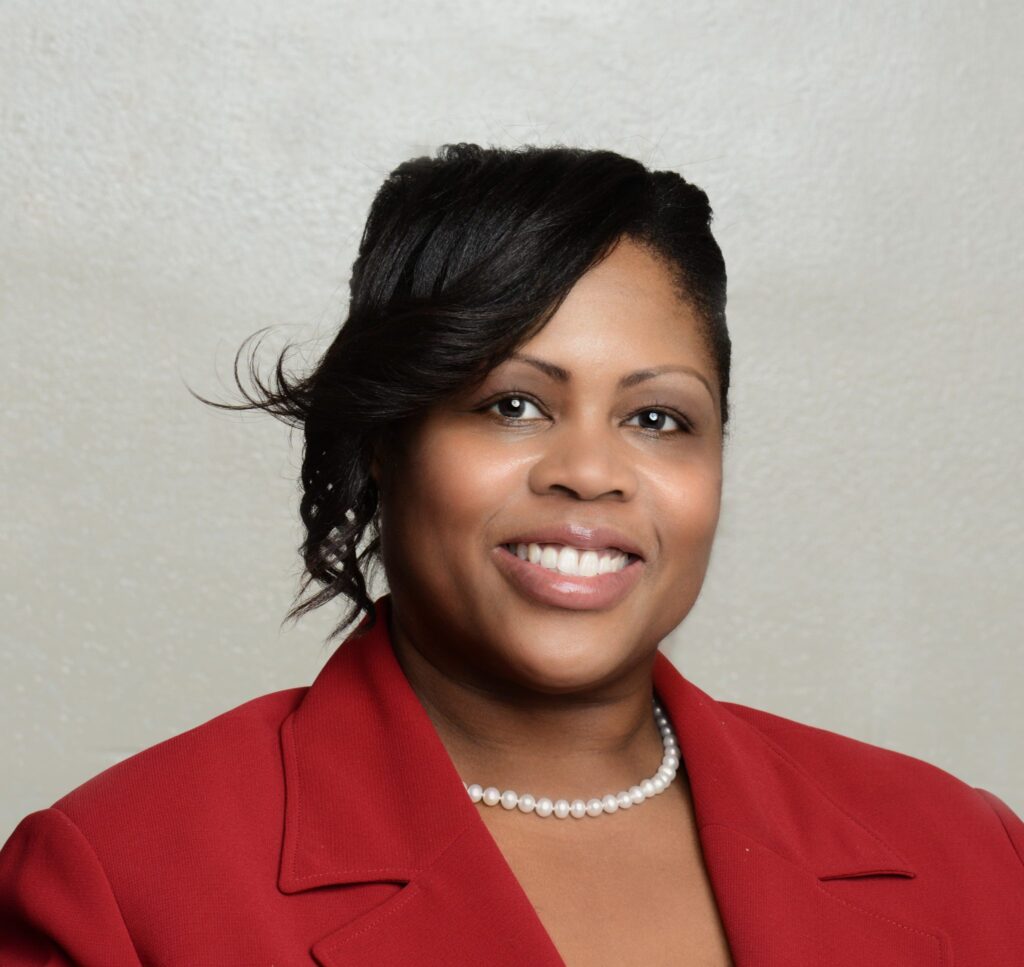
Why is Black leadership in the outdoors important?
We all have different lived experiences, so our relationships with the outdoors are not the same. Diverse leadership ensures that all voices are heard in decisions that impact people’s sense of belonging in outdoor spaces. Representation at the leadership level helps organizations make inclusive choices in communication, marketing materials, and policies, reducing the risk of insensitive or exclusionary messaging.
What inspired you to pursue a career in the outdoor industry, and what keeps you motivated?
I have always loved the outdoors and focused on equitable solutions to public issues. However, it wasn’t until the onset of COVID-19, when I joined OIA in a remote role, that I truly recognized how essential outdoor access is for everyone. Spending more time at home, taking walks in my neighborhood, and expanding my garden reinforced this belief. I stay motivated by the idea that the outdoors is everywhere and can be enjoyed in many ways. There is a business imperative to acknowledge and engage consumers from all backgrounds, and I believe every child—regardless of zip code—deserves access to safe and enjoyable outdoor spaces.
What role do brands and organizations play in increasing Black representation in the outdoors?
Representation matters. Brands and organizations must be intentional about hiring leaders and staff from diverse industries and marketing to a broad consumer base, including those who engage with the outdoors in more casual ways. They should also strive to authentically reflect how Black people and communities enjoy outdoor spaces.
What advice would you give to the next generation of Black leaders in the outdoor industry?
Walk into every situation with confidence, knowing you belong in any room you enter. If there isn’t a seat at the table, bring your own chair—your voice matters. While Diversity, Equity, and Inclusion may be used as buzzwords or even as barriers, these moments call for resilience. Draw strength from our ancestors, leverage support from allies, and continue amplifying shared values for people and the planet.
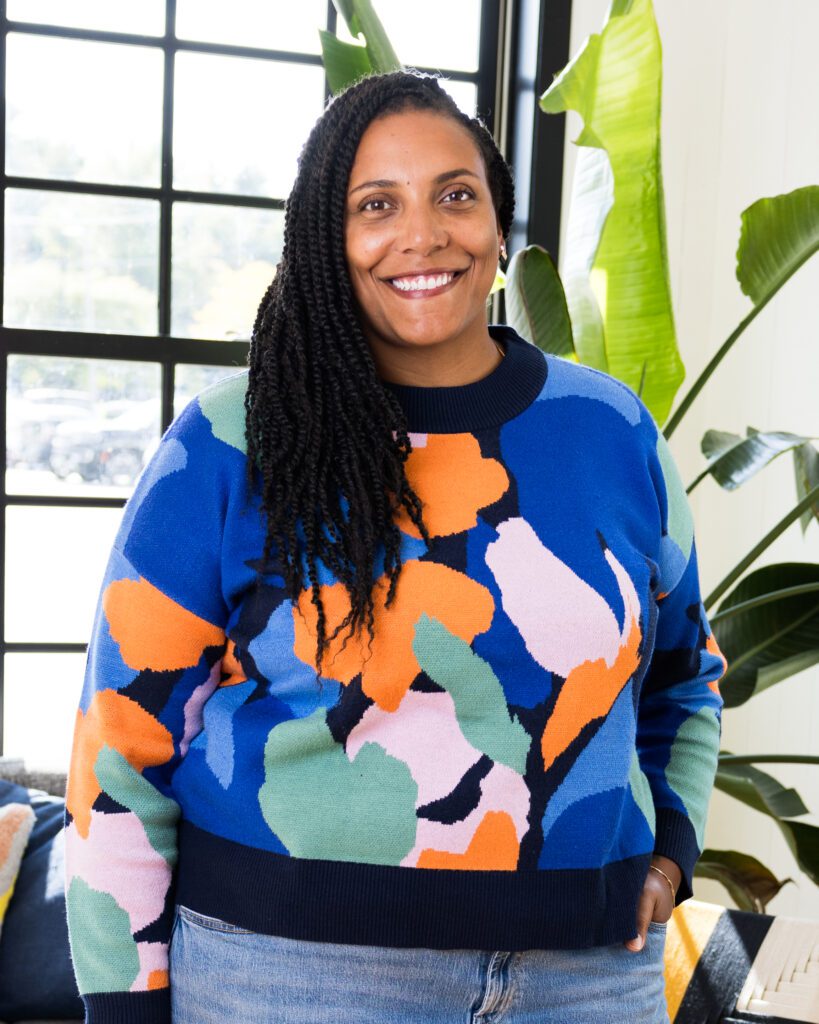
Why is Black leadership outdoors important?
Black people have always had an inherent connection to the outdoors. Black history and Black experiences have a place in our collective understanding of the outdoors. The industry is not as strong as it could be without that history, without those experiences. We could be so much more with it. So Black leadership is a way to ensure that history, those experiences, those stories get told and become a part of our collective understanding of the outdoors.
What inspired you to pursue a career in the outdoor industry, and what keeps you motivated?
I have been a snowboarder for most of my life. I’ve never been particularly good, but it connects me to the outdoors and to my body – which is incredibly powerful as a fat, Black woman. I want more people to get to feel the way I feel on my board. To find an opportunity to connect my passion for corporate impact and my passion for connecting people to the outdoors is such a privilege.
What role do organizations play in increasing Black representation outdoors?
So many. As employers, investors in the industry / supply chain, marketers and advertisers, philanthropists and so much more. Representation – when done well – is about building power. Businesses have a lot of power and can use it to build empowered Black representation across the industry. Which benefits ALL people. Empowered Black representation means we’re growing the industry and making it inclusive to more people – that benefits everyone.
What advice would you give to the next generation of Black leaders in the outdoor industry?
Don’t settle. Ensure our work in the industry is generative for generations to come. I heard Janelle Monet once said: “I come in peace, but I mean business.” Let’s ensure that we work collaboratively in the industry for more than representation – let’s work toward empowerment.
What challenges have you faced as a Black person navigating outdoor industries and spaces?
I would sum it up by saying that I rarely get the benefit of doubt when I walk into a room. I need to demonstrate my connection to white people, display my credentials, and over expend energy in trust building to be taken seriously.
How do you think outdoor culture has evolved regarding diversity and inclusion?
The industry is ever evolving. I hope that we can evolve to a place where they perspective moves FROM the idea that the industry is introducing people of color to the outdoors and TO a place where the industry recognizes that people of color have always been here. Our indigenous siblings were the original stewards of the land. When we embrace that as an industry, our work becomes less about tokenized representation and more about building toward a future where all people can coexist and thrive together in the outdoors.
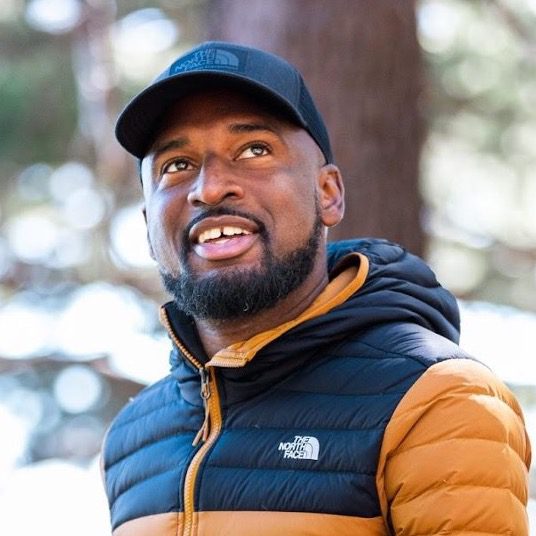
Why is Black leadership in the outdoors important?
Black leadership in the outdoors is important because it brings diverse perspectives and experiences to a space that has historically been exclusive. Representation in outdoor recreation affirms that we’ve been outside and that we will continue to exist and find joy, health, solace, and community there. Representation in the outdoor industry ensures that our diverse ways of being in the outdoors are reflected in the apparel we wear, the equipment we use, the stories that are told, and the experiences that we feel when we get there. It fosters an environment where people of all backgrounds can feel seen and valued. Black leadership also provides role models for young people of color, cultivating the next generation of outdoor enthusiasts and champions for conservation and our planet.
What inspired you to pursue a career in the outdoor industry, and what keeps you motivated?
My inspiration for working in the outdoor industry came from a deep-rooted love for nature and the outdoors, combined with awe for how the outdoors heals and restores us. As a child, my (often mischievous) adventures fed my insatiable curiosity about the natural world. From the age of 8, I would climb trees in my backyard, ride my bike to local parks and beaches, and camp with my family and church group. Experiences both near to home and more remote cultivated a deep sense of wonder. The outdoors was also an important space for me to grieve and heal – I think about the woods I ran to when my mom passed when I was 17. I’m grateful for the work I get to do at the Outdoor Foundation, and with our partners, to create more space and spaces for children and youth to find their own life-changing moments in the outdoors.
What role do brands and organizations play in increasing Black representation in the outdoors?
Brands and organizations play a pivotal role in creating opportunities for Black and underrepresented communities by engaging, investing, and amplifying.
Engaging: The Outdoor Participation Trends Report shows that diversity in outdoor participation is on the rise, but there is still a gap in representation. There are more Black outdoor recreationists in the U.S. than ever before, but the outdoor industry still hasn’t found a way to fully engage these new outdoor enthusiasts. Engagement goes beyond outreach. It is authentically connecting with diverse communities in ways that allow them to feel seen, planned for, marketed to, supported, and welcomed by the outdoor industry.
Investing: Companies have several opportunities to meaningfully invest in Black representation in outdoor recreation – from early nature connections and outdoor experiences to career opportunities for diverse talent. One of the ways to invest is by funding youth and family outdoor programs, such as the Outdoor Foundation’s Thrive Outside Initiative, which, in 2024, connected over 115,000 individuals (and over 37,000 Black youth) to transformative experiences in the outdoors.
Amplifying: Lastly, companies can challenge the status quo by amplifying Black voices and Black-led organizations. By collaborating with organizations focused on equity and access, brands can play an important role in ensuring that those most closely connected to, and trusted by, communities are centered and equipped to create access and bring more people in. When Black leaders and communities thrive, our industry is better off. And remember that it’s not just about marketing – it’s about deeply embedding the value of inclusivity into your mission and operations.
What advice would you give to the next generation of Black leaders in the outdoor industry?
To the next generation of Black leaders in the outdoor industry, I’d say: stay true to yourself and your passion. The outdoor industry is full of opportunity, but it requires resilience and courage to navigate. Seek mentorship and surround yourself with a network of like-minded individuals who share your vision for a more inclusive future. Don’t be afraid to use your voice, even if it feels like you’re challenging the norms. And most importantly, keep pushing forward, because the world needs your leadership, ideas, and perspectives more than ever.
What challenges have you faced as a Black person navigating outdoor industries and spaces?
As a Black person in the outdoor industry, some of the challenges I’ve faced include being one of the few people of color in certain spaces and confronting assumptions about my interests or qualifications. There’s also the challenge of being “othered” or having to prove that I belong, especially when the narrative about outdoor spaces has historically not included people of color (note that I said “narrative”, because we’ve always had a relationship to the outdoors). These challenges can be exhausting, but they also fuel my determination to make the outdoor space more welcoming and representative of the communities it serves.
How do you think outdoor culture has evolved in terms of diversity and inclusion?
Outdoor culture has definitely evolved over the years, but we still have a long way to go. There’s been a growing recognition of the need for representation and a sense of belonging, and more people are speaking out about the importance of inclusivity. At the same time we’re at an interesting moment in time where the term “diversity, equity, and inclusion” has been mischaracterized and attacked in various social and political arenas. At its core, an equitable and inclusive outdoor culture creates opportunities for everyone to thrive in nature. Nature and outdoor recreation has a powerful way of bringing us together, even across social, economic, and political divides. At this moment in time, it is important for us to continue and to grow support for initiatives, programs, and partnerships focused on removing barriers to access and creating opportunities for people of all races and backgrounds. Together, we’ve made progress, and now it’s about sustaining and expanding these efforts.
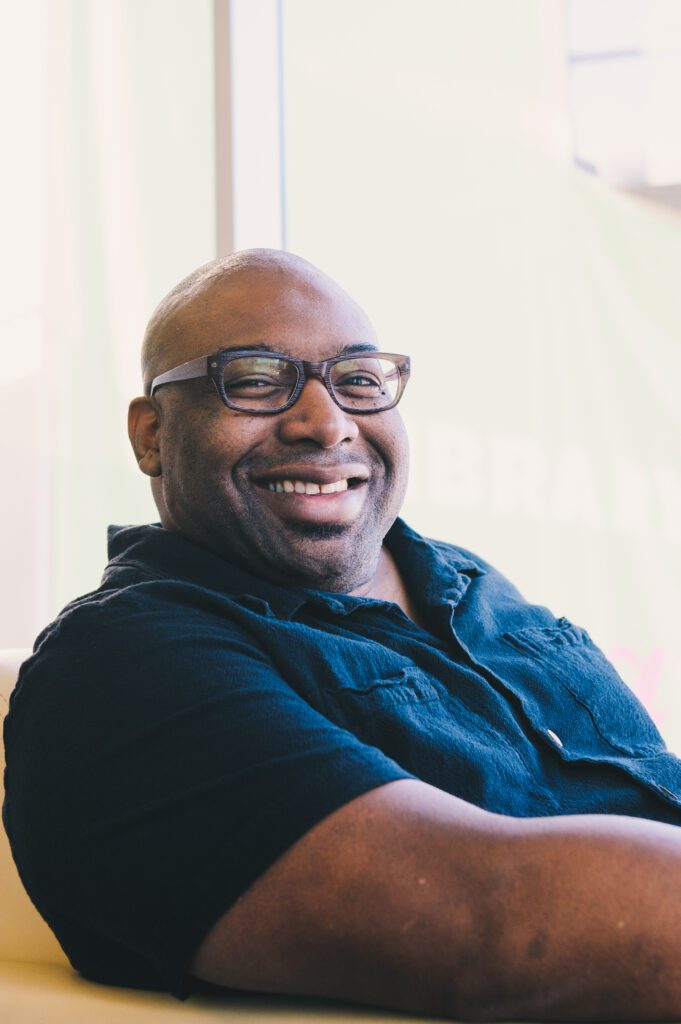
Why is Black leadership in the outdoors important?
Black leadership in outdoor spaces is essential because it carries the power to shape a more inclusive and diverse narrative. When people of color don’t see themselves reflected in leadership roles, it sends a silent yet powerful message that these spaces might not be for them. Representation matters—it creates a sense of belonging and opens doors for others to feel welcome, to explore, and to thrive in environments that have often been historically exclusive. Undoing the barriers and biases of history is no small feat; it takes time, persistence, and the courage to stand as a visible symbol of change. Black leadership in the outdoors isn’t just about representation—it’s about lighting the way for others to see where they too can belong.
What inspired you to pursue a career in the outdoor industry, and what keeps you motivated?
Surrounded by the rugged beauty of Utah, with the Wasatch and Oquirrh mountains constantly in view and land I own perched atop an ancient sea cliff in Duchesne County, I couldn’t ignore the draw of the outdoors. Storylines began forming in my mind as I immersed myself in these natural spaces, blending the poetic rhythms of my environment with melodic ideas waiting to take shape. My interest in writing deeply focused on National and State Parks was already growing, but the turning point came when we were invited on a flyfishing adventure with Chad Brown, Jahmicah Dawes, Erica Nelson, Nick Brooks, Jacob Fisher and the education session by Will Robinson (Ahunahikes).
Sharing those moments and walking with Jahmicah on Antelope Island State Park while exchanging thoughts and dreams, was profoundly affirming. It solidified my sense of purpose. What keeps me motivated is the constant pursuit of knowledge—researching parks through literature, tapping into university archives, and exploring music tied to National Parks. I experiment with sounds that honor what’s already there and imagine melodies for what isn’t yet discovered. The work becomes an extension of the landscapes themselves.
What role do organizations play in increasing Black representation outdoors?
Organizations are crucial catalysts in increasing Black representation in outdoor spaces. They act as bridges, connecting us to people and resources that make our vision achievable. They amplify our voices, help cultivate platforms, and provide the tools necessary to educate, inspire, and engage communities about the significance of inclusivity outdoors. By building relationships and creating networks, organizations offer the support systems we need to ensure people understand what we’re doing, why we’re doing it, and how it benefits everyone. Their role isn’t just to help us step forward; it’s to help us bring others along with us.
What advice would you give to the next generation of Black leaders in the outdoor industry?
Persevere! Your path will undoubtedly come with challenges, but each obstacle you face becomes part of your story and strengthens your resolve. Stay aligned with the purpose that first inspired you and keep the end goal in your sight. Don’t shy away from revisiting ideas or shifting strategies—adaptation isn’t failure; it’s creativity. Every adjustment you make adds a new layer to your vision. Keep your passion alive and remember that you’re paving the way for the future, creating possibilities for others to follow.
What challenges have you faced as a Black person navigating outdoor industries and spaces?
As a Contemporary Sonic Architect born and raised in Utah, I’ve always felt a strong pull toward colorful, dynamic spaces filled with untapped possibilities. My creative process thrives on blending diverse genres, often leading me to ask myself, “What if I…?” However, the assumption that my work aligns with preconceived notions of Black art often results in misplaced expectations, empty promises, and canceled opportunities. It can feel like conversations rarely evolve into action. Despite these setbacks, I continue to push forward, driven by the desire to break barriers and redefine norms. It’s an ongoing challenge, but one that fuels my determination.
How do you think outdoor culture has evolved regarding diversity and inclusion?
When I reflect on how outdoor culture is evolving, I feel a mix of hope and urgency. Without diversity and inclusion, there’s this untapped potential—so many people remain unacquainted with the breathtaking beauty and freedom that outdoor spaces offer. It’s not just about the trails, the parks, or the open skies; it’s about breaking down barriers and rewriting the narrative of who belongs out there.
I’ve had heartfelt conversations with a few well-known celebrities of color about the importance of experiencing National and State parks and why I’m so deeply inspired to share these stories. There’s something powerful in passing on knowledge, whether it’s through music, products, or ventures that educate and embody this culture. I dream of a future where diversity and inclusion in outdoor spaces aren’t questioned or tokenized—they’ll simply be recognized as the fabric of what it means to be truly cultured. That’s the vision that keeps me going, step by step, in this evolving movement.
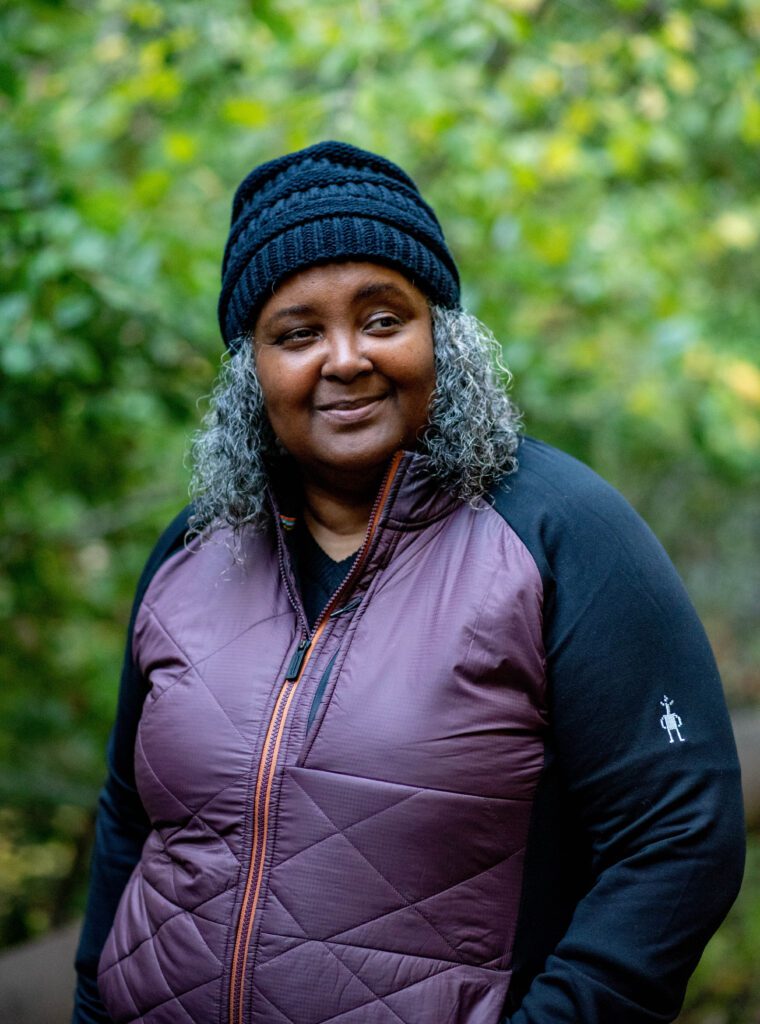
Why is Black leadership in the outdoors important?
Black people have always been part of the American landscape. From sharecroppers, to trail builders, our natural spaces are part of who we are. Over time our stories have started to become erased or written about on the back pages of history books. It’s vital that we continue to share stories of our contributions as leaders in outdoor spaces, so that when we talk about conservation or environmental protection, we talk about the complete picture, which includes black people.
So as outdoor orgs, agencies and brands seek out new leadership, they have a larger pool of candidates to pull from, candidates who have historically been discounted and overlooked for such roles. Build a longer table so that more people can sit and have a say in how we govern and protect outdoor spaces.
What inspired you to pursue a career in the outdoor industry, and what keeps you motivated?
I am inspired by those who came before me. The Buffalo Soldiers who cared for the lands of our national parks, built some of the first roads into Yosemite, and in the Sierra’s. James Beckwourth who led groups through the Sierra’s, when it was unsafe for black people to take on such a role. Dr Rae Wynn-Grant, an amazing wildlife ecologist, and of course Ranger Betty Reid Soskin of the national park service. I do what I do because I love the outdoors and because I am obligated to these individuals to continue their legacies and make sure their stories remain.
What advice would you give to the next generation of Black leaders in the outdoor industry?
I would say to our young people, no matter their race, stand strong in your beliefs and in fairness, do not allow bad to win. The journey of change is generational. It started before you and will continue after you. If you care about our natural outdoor spaces, fight to make sure that everyone has a voice and that everyone is seen and included. The future is now, prepare for it as if it is yours, because it is. do not stand idly by and accept how the outdoors is portrayed, make it better, make it shadow what the demographics of this country will soon be. This work is not easy, but well worth it. Bond with those who look different than you, think differently than you, but hold a love for nature that is unmatched by the cultural difference you may have.
And for young Black leaders who are up and coming, do not give into the lies fed to you about belonging, these outdoor spaces belong to you too. Claim them, cherish them, love nature and protect her, for these spaces hold stories of your history. Recite those stories and do not allow them to become hidden in stories about nature that do not include you.
How do you think outdoor culture has evolved regarding diversity and inclusion?
I was somewhat hesitant in answering this question, but here goes. About 9 years back I attended my first Outdoor Retailer show. I didn’t know what to expect but heard from folks not to expect much in the way of diversity. They were right. Walking into the conference center in Denver, it was shocking to see the make-up of the attendees, from the brand reps to the general audience, whiteness at every turn. I thought to myself, the work I’ve committed myself to will be harder than I imagined. As the years went by and I attended more and more OR shows, it started to feel more welcoming. I built relationships with brands, and as more of my friends started attending, it became something we looked forward to.
Fast forward to 2020 when the entire world seemed to care about diversity in every industry. The outdoor world started to really put in work around DEI and it felt as if we were making progress, and we were. One brand in particular, Granite Gear, a small but mighty staff in Rob and David, really stepped up around matters of DEI. Rob started hosting a Hot Minute on IG and they were open about supporting this work. To this day, they continue to shine.
So, all in all, the Outdoor industry has made strides in this work. Some brands are doing more than others, but we have a long way to go to ensure equity in outdoor spaces and outdoor brands. I’m happy about the work the Outdoor Diversity Alliance is doing, we are a young org, but the commitment is there. I applaud all the brands who remain members through this hailstorm of backlash we are currently under around DEI. As an industry, if we stand in support of one another, we will continue to make strides, but we must not be afraid to try. I’ve always said, let people try, fail and try again. That’s the only way we will move forward.
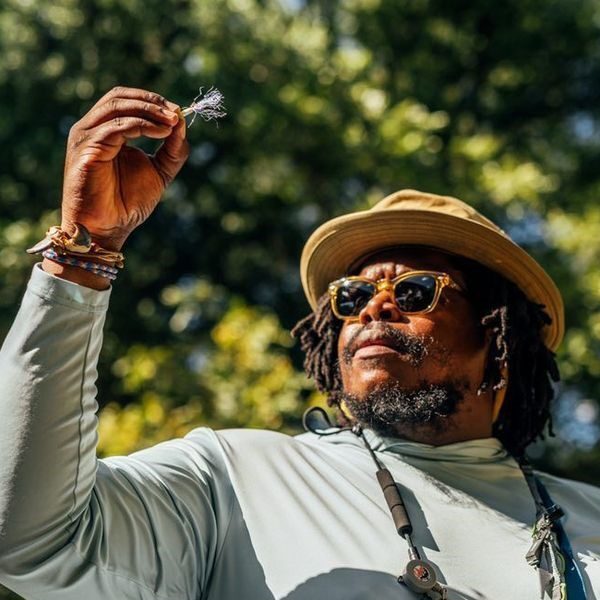
Why is Black leadership in the outdoors important?
Black leadership in the outdoors is crucial for showcasing Black excellence and the multifaceted nature of Black existence in outdoor spaces. This legacy of leadership is exemplified by historical figures like York, a key member of the Lewis and Clark Expedition, the Buffalo Soldiers who protected Yosemite National Park, and Charles Crenchaw, the first African American to summit Mt. McKinley. Their leadership paved the way for contemporary leaders like Alex Bailey, who oversees the largest overnight camp for Black girls through Black Outside; the Black Waters Team, which leads a fly-fishing expedition to the Gates of the Arctic National Park; and Emily Ford, who is striving to become the first Black woman to complete the Iditarod dogsled race. Sharing and celebrating these stories ensures that the rich tradition of Black leadership in the outdoors not only endures but continues to flourish.
What inspired you to pursue a career in the outdoor industry, and what keeps you motivated?
Perhaps it would be more accurate to describe what didn’t inspire my career path: the outdoor industry itself. My motivation is that we strive to see the outdoor industry more representative of, well, the outdoors now and the outdoors historically. I think a grave miscalculation has been made to not market to all of the actual people who are outside recreating. And when I say that we are not being marketed to, I mean, more specifically, we are not seeing people who look like us in the marketing campaigns.
What role do brands and organizations play in increasing Black representation in the outdoors?
The outdoor industry has failed to accurately represent the diversity of people who enjoy outdoor recreation, both now and historically. This oversight includes a lack of marketing to all demographics who participate in the outdoors. Specifically, marketing campaigns often lack representation of diverse individuals, leading to a sense of exclusion among those who do not see themselves reflected in the advertising. So, the solution is to not merely use black models or influencers in marketing campaigns but to incorporate us individuals who are actually doing the work in the outdoors and in the outdoor industry. I want to see Benje Williams of Outlandish in New York in marketing campaigns with the brands that he carries, like Salomon or Ciele; or Mandel Echefu of Wheelz Up Adventures in marketing ads of the cycling or winter sports that he outfits for. These are the roles and responsibilities brands and organizations have. Showing us in these storied ads is another way of telling our stories.
What advice would you give to the next generation of Black leaders in the outdoor industry?
My first action would not be advice but gratitude. I would first say “Thank you,” and that you are the validation for what we are doing and enduring now. Next, I would say, “Don’t wait for the industry to welcome you in, and don’t try to fit inside this box of what the industry says is the outdoors or is the ‘Outdoorsy’ look.” The box was never constructed to include you or me or people that look like us. My charge and challenge to the next generation of Black leaders in the outdoor industry is to build a staircase-type approach where we can include and elevate.
What challenges have you faced as a Black person navigating outdoor industries and spaces?
I would say that the feeling of seclusion is a huge one to grapple with. I would also say the assumption that just because I’m in this industry means that, well, I can easily afford the lifestyle that this industry promotes or maybe expects. I wouldn’t say that is something specific or particular to me being black; I remember meeting another shop owner at a tradeshow, and he made the comment that one day he would like to enjoy the lifestyle that his shop and the brands he carries promotes. I would actually say that was a challenge that was unifying in a way. Overall, though, I would say the seclusion in the industry and its spaces and those moments where I’m asked a question and I want to always make a disclaimer of “I’m not speaking for all Black people, or all Black men” in the industry. We aren’t a monolith, and the fact that it is actually a “WE” now. I challenge people to reach out to the Black people in the industry and ask them. “Don’t worry, I’ll make the introduction,” I joke with them. Lastly, being in this industry is a challenge for mental health sometimes. Especially lately with so many companies moving away from their DEI efforts. Especially to appease a system and administration that does not prioritize preserving and conserving the outdoor spaces we collectively love, enjoy, and find solace in.
How do you think outdoor culture has evolved in terms of diversity and inclusion?
Honestly, the industry has not evolved enough. But that can’t be the litmus test that determines my involvement or commitment. This is a movement, and this movement is a marathon. So, pace yourself and show grace to yourself and others because they won’t all get it. But some will and even more want to.

October 17, 2024
Recently, as Hurricane Milton made landfall in Florida, just weeks after Hurricane Helene traumatized much of the Southwest, my colleague and I spent most of a meeting—originally planned to review chemistry strategy—talking about what it means to be alive and doing this work. We wake up every day floating between immense gratitude and awe for this world, and despair for how we are devastating it. We are simultaneously completely devoted to the work it will take to sustain our environment for future generations, and hyper aware that the climate crisis has already arrived. It’s easy to feel overwhelmed, isolated, defeated.
Almost 20 years ago, when I walked into my first Environmental Studies class as an undergraduate freshman at UVM, my professor Stephanie Kaza took out a Tibetan singing bowl and led us in a prayer. The prayer taught us that to sustain the work, we would need to sustain ourselves and each other. She emphasized our interdependence and the intersectionality of what plagues us. I still remember how I admired her wisdom, knowing that her students would need to return to this lesson throughout their lives.
Fast forward to this moment and I am so grateful for the community of practitioners that make it possible to stay engaged in this challenging work. I am especially grateful for the coordination and support from the Outdoor Industry Association that allows us to move towards solutions more quickly than if we were going it alone. On the CCMC Steering Committee we joke that what we’ve really formed is an Emotional Support Group. Beyond that, every OIA member that I have reached out to personally for support on particular topics has shown up and engaged enthusiastically. I hope anyone reading this knows that I am here to return the favor.
All we have is now and each other. I hope to see you at the Catalyst Conference. Onwards!
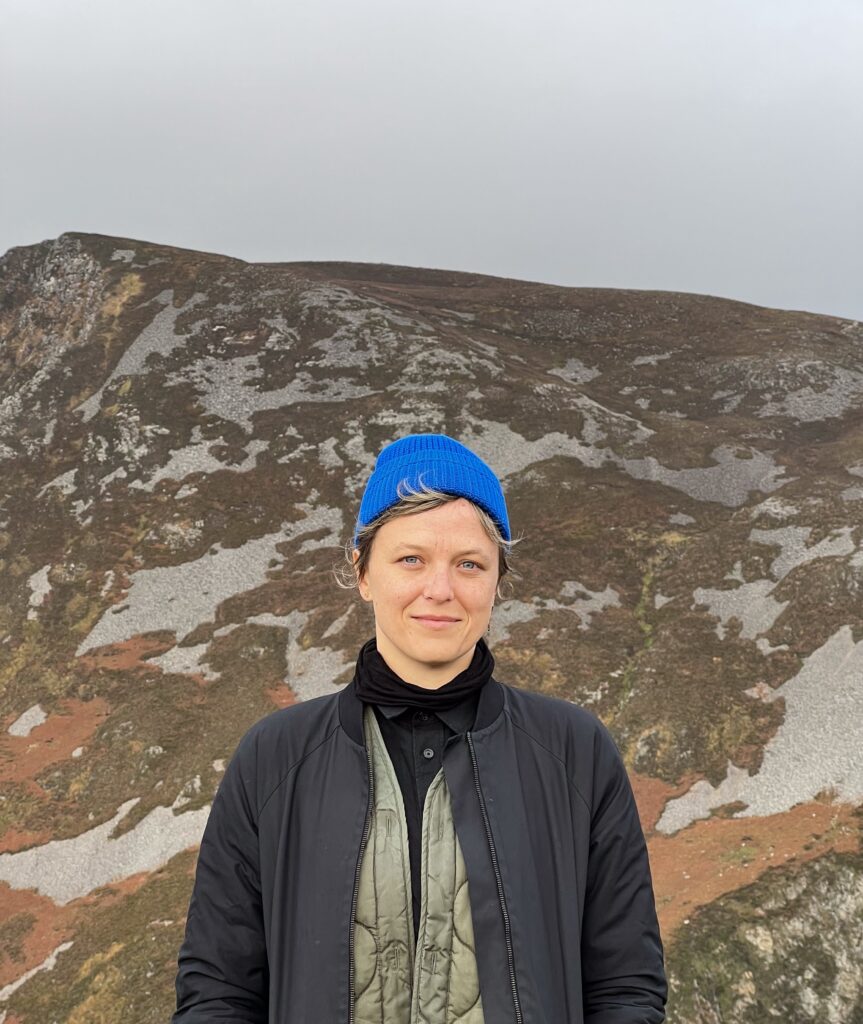
Taylor Ralph
Product Impact Lead for Environmental & Social Impact at Burton
Clean Chemistry and Materials Coalition Co-Chair

Dear OIA Members and Industry Partners,
OIA is proud to stand at the heart of the outdoor industry, delivering resources and opportunities that drive our businesses and communities forward. Industry gatherings are essential to our shared success, and we are committed to leading the way.
We have been actively engaged in broad discussions with many stakeholders about the future of industry gatherings. As a member-led collective, these conversations have been invaluable in shaping our vision for OIA’s role in convening the industry, and I want to take this opportunity to share our path forward.
Our commitment to serve as a catalyst for connection:
OIA Events: We will lead the industry with cornerstone events that create opportunities for collaboration, community, and action. Our sold-out inaugural sustainability Catalyst Conference this November provides the industry with an opportunity to innovate solutions for people, product, and the planet. We are in the planning phase for next spring’s Capitol Summit in Washington, D.C ., to use our outside voices to save outdoor companies money, fuel innovation, invest in recreation, expand outdoor access for all, and protect our environment.
Strategic Partnerships: With great enthusiasm, yesterday we announced our new partnership with Switchback to grow an event that can deliver multiple benefits to a wide range of outdoor industry members. OIA will also partner with other organizations where the industry and our members gather to deliver content that drives growth and opportunities for engagement through education sessions, existing OIA programs, and new initiatives.
OIA’s mission remains clear: We’re a passionate group of business leaders, sustainability experts, policymakers, and outdoor enthusiasts committed to business growth and innovation while protecting—and growing access to—the benefits of the outdoors for everyone. Our team is excited about the opportunities ahead and is dedicated to leading our industry with the vision, resources, and commitment you have come to expect from us.
Join the Conversation: From the timing of events to the content they deliver, we aim to shape gatherings that bring value to all members and reflect the voices and needs of our entire community. We value your insights and encourage you to share your thoughts on our future direction. Click here to provide your feedback and help shape the future of our industry.
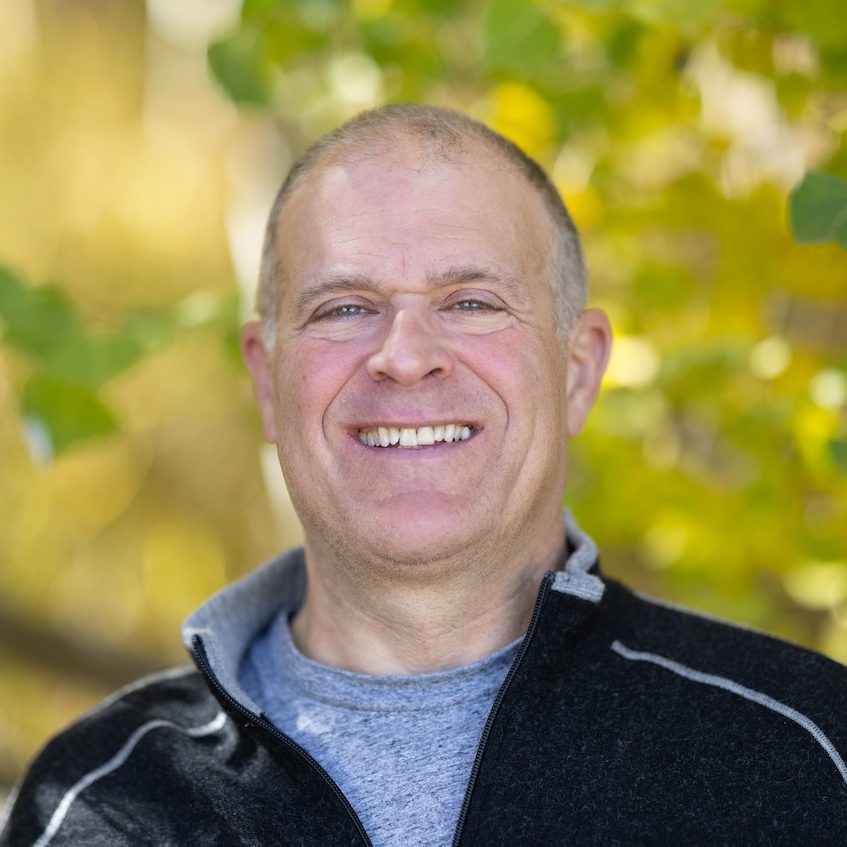
Together we are a force,
Kent Ebersole
President, Outdoor Industry Association

This Hispanic Heritage Month, we’re celebrating Hispanic leaders contributing to Outdoor Foundation’s Thrive Outside mission. These individuals continue to foster outdoor spaces that are inclusive, equitable, and diverse. Read our interviews with these leaders below.
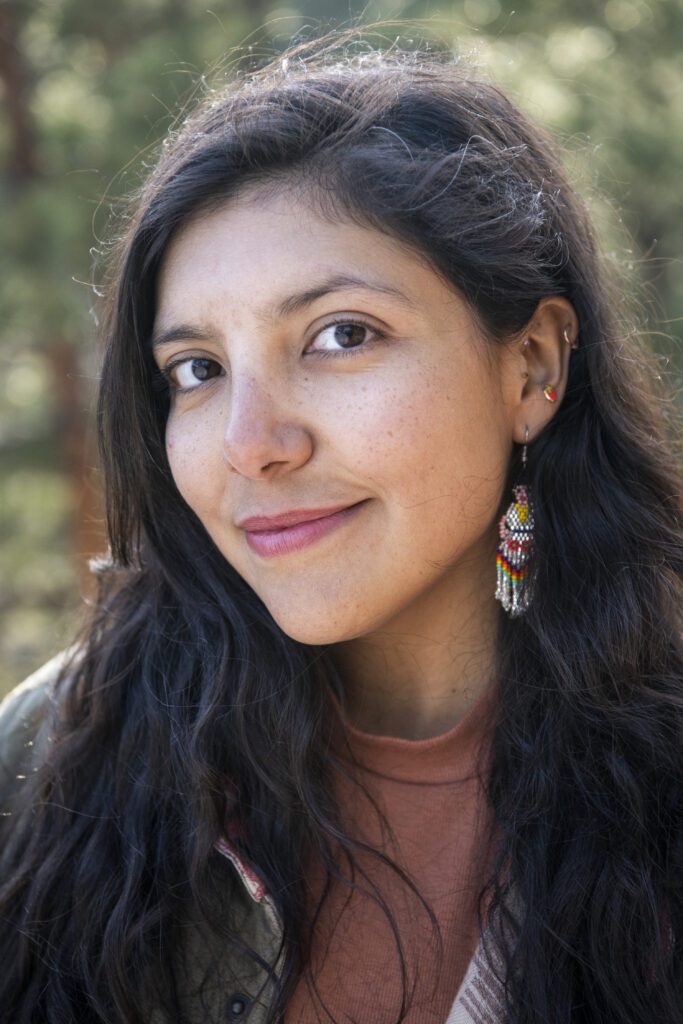
Why is Hispanic leadership in the outdoor space important?
As with all diversity, Hispanic leadership and participation in outdoor spaces make them better. Our heritage is part of the fabric of our society and thus should be included, represented, and celebrated in all areas of our lives. Also, it’s an essential reminder that we’ve always been part of the outdoors because the outdoors has always been a part of us, being for sustenance, for work, or enjoyment; our cultures have all been in relationship with nature through and despite colonization.
What brought you into the outdoor space?
The short answer is my family. I was very privileged to grow up among hunters and fisherpeople. But ultimately, what brought me into a career connected to the outdoors is the relationship I formed with nature along the way. Seeing nature around me disappear or being extracted and destroyed ignited a fire, a responsibility for me. I couldn’t just sit and watch it all happen. Caring for our planet shouldn’t be a question; it should be a norm for everyone, and I hope I can inspire folks to pursue their own relationships with nature so we may all care for our shared home. On a brighter side, being in nature gives me hope and purpose. It makes me smile; it shows me what I’m capable of beyond colonial or capitalist ways of “capability.” When I’m in nature, I feel valued by simply existing.
How does outdoor equity look for the Latinx community?
It looks like every child and adult having the opportunity to create meaningful memories in nature, feeling safe and welcome outside, having access to gear that makes outdoor adventures more accessible and better, and having access to the different reciprocal relationships that can be had in nature (from enjoyment to survival).
What is your vision of an ideal outdoor?
My ideal outdoors honors ancestral ways of being (look up: Original Instructions). It is one where nature is not extracted for monetization but rather treated as a relative, and we all get to show our gratitude for what she provides. It is one where every being is valued for existing.
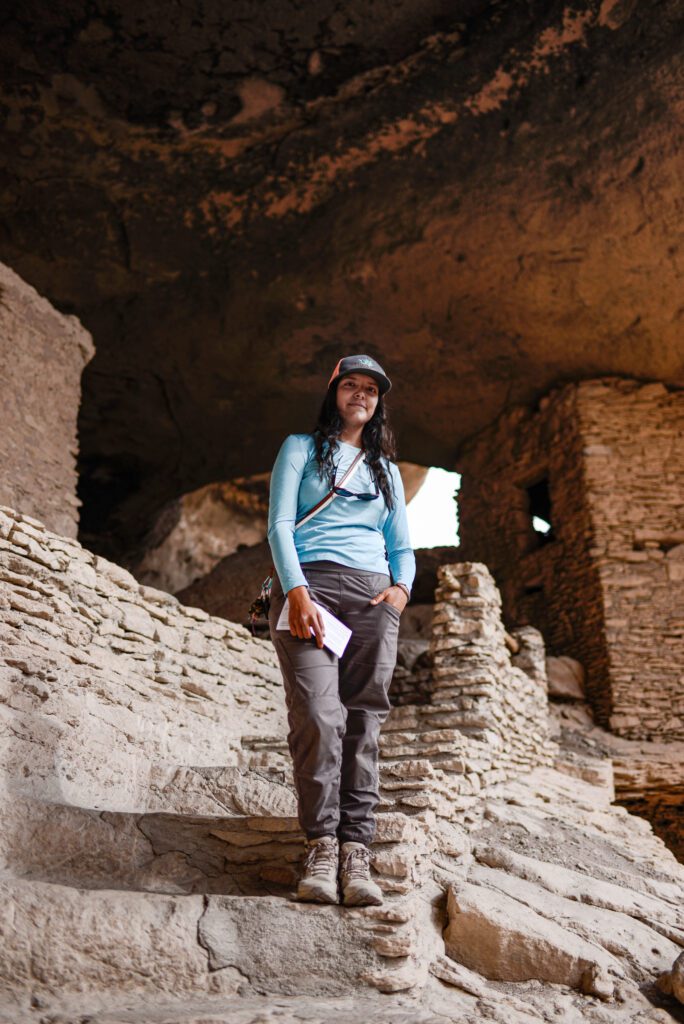
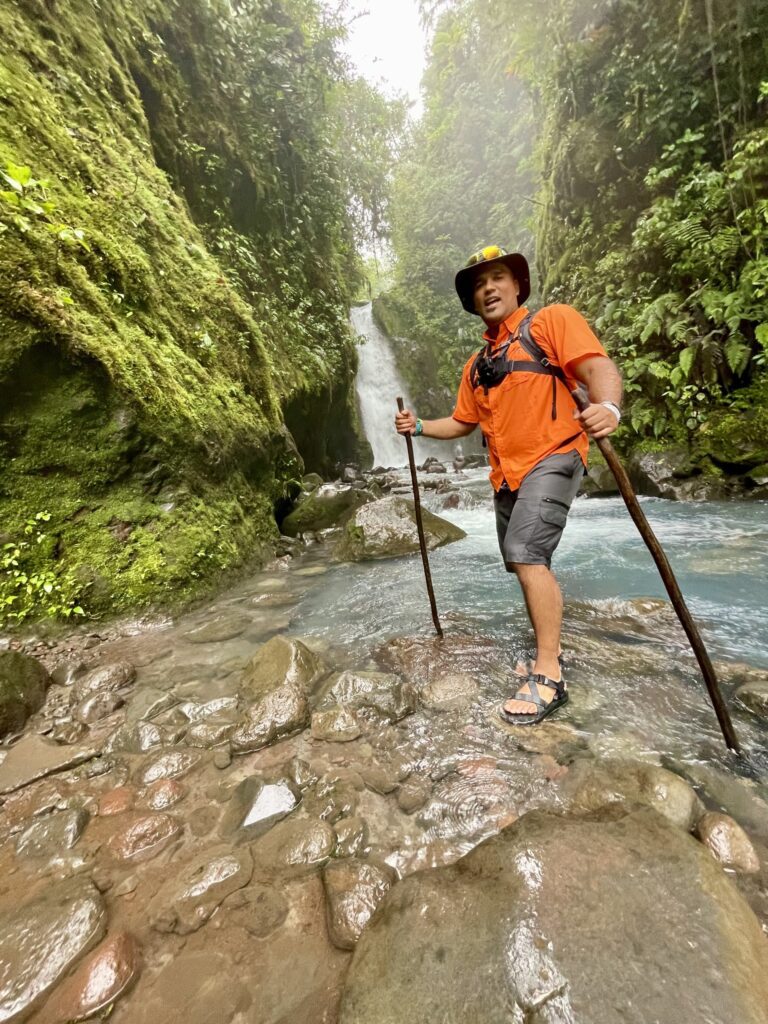
Why is Hispanic leadership in the outdoor space important?
Hispanic leadership in the outdoor space is important because our community will see someone that looks like them and speaks the same language, which can provide a way to build connection, trust and communication. Kids and families will see themselves represented in areas that traditionally have been underrepresented. Also, Hispanic leadership in the outdoor space has a cultural understanding of barriers, needs, and desires that the Hispanic community has experienced. This creates a stronger community that is more aware of different opportunities that exist to engage in outdoor activities.
Furthermore, we can all create a space where access to the outdoors, its activities, and connection to nature is diverse, equitable, and everyone feels included. Inspiring Hispanic leadership is key to continue to educate, connect, and engage Latino communities in the outdoors.
What brought you into the outdoor space?
Growing up in Costa Rica, I had multiple opportunities to have a strong connection with nature, from plants, to fruits, to insects, to birds, to weather, to mountains, to the rainforest, to the river, to the ocean. I understood how important nature and the outdoors are for all of us. It is the perfect medicine! The enjoyment of connecting with nature and the outdoors and never-ending opportunities and activities to have different adventures has always inspired me to share this with others. The National Park Services in Costa Rica and USA have a lot to do with this. I wanted to share my love for the outdoors and experiences with others.
Collective impact involves the collaboration of partners and stakeholders. What is your role at Thrive? Tell me about your organization.
My main roles in Thrive are to connect underserved youth and families with meaningful outdoor experiences, and to share strategies and collaborate with other communities through this collective program.
I am the community engagement director for Thorne Nature Experience and the Nature Kids/Jóvenes de la Naturaleza (NKJN) collective for the cities of Lafayette, Boulder, and Longmont. NKJN is a 5-year, $10 million collective impact project designed to connect underserved youth in Lafayette, Boulder, and Longmont to nature and outdoor activities through several programs. These programs are for pre-k to high school and backyard to backcountry, family integrated programming, including career training and paid employment. Additionally, we have capital construction projects to ensure all Lafayette youth live within a safe 10-minute walk of a nature space.
What is your vision of an ideal outdoor?
A place where we all can enjoy equitable access to our national parks, open space, and lands. An inclusive setting that bridges cultural gaps, fosters community and is welcoming to all. There is access, education and knowledge of all the benefits that living an outdoor lifestyle can offer.
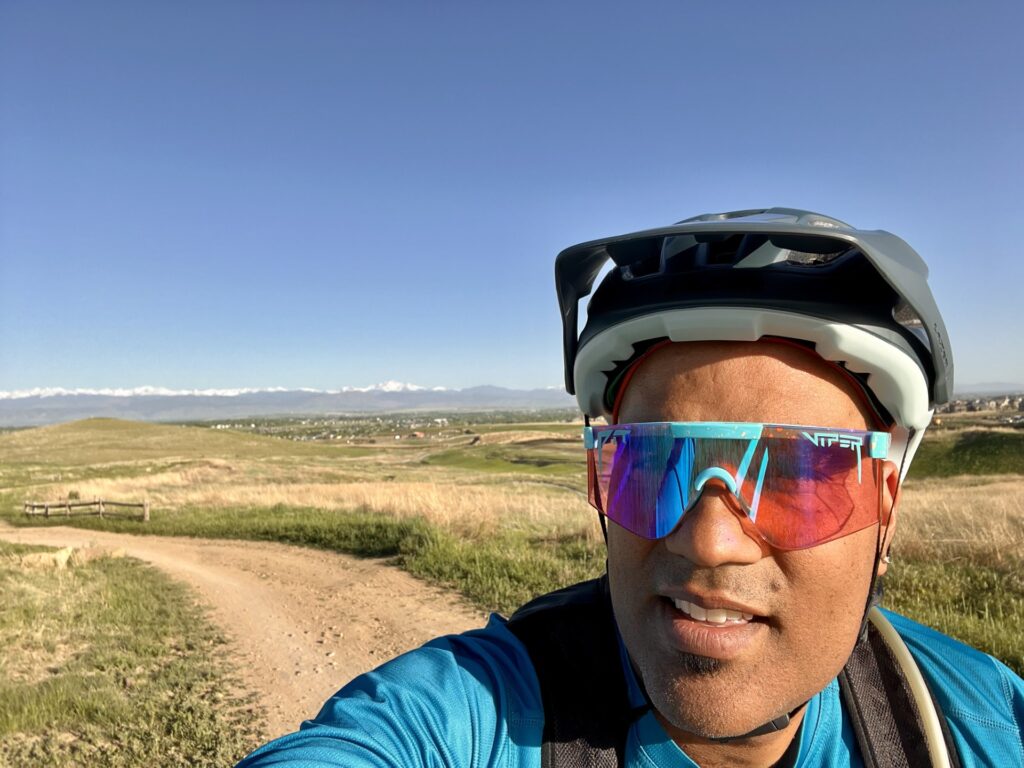
This inspires young people and their families to want to explore and connect to nature and a space that breaks barriers for our Hispanic communities to be able to value and foster a deep respect for the land, a sense of stewardship and belonging. Additionally, it is an opportunity to reconnect Latinos in the preservation of our cultural heritage, and builds a future where more people like me can consider careers and life paths in the area of the outdoors in addition to using it recreationally to pass this appreciation of nature to generations to come.
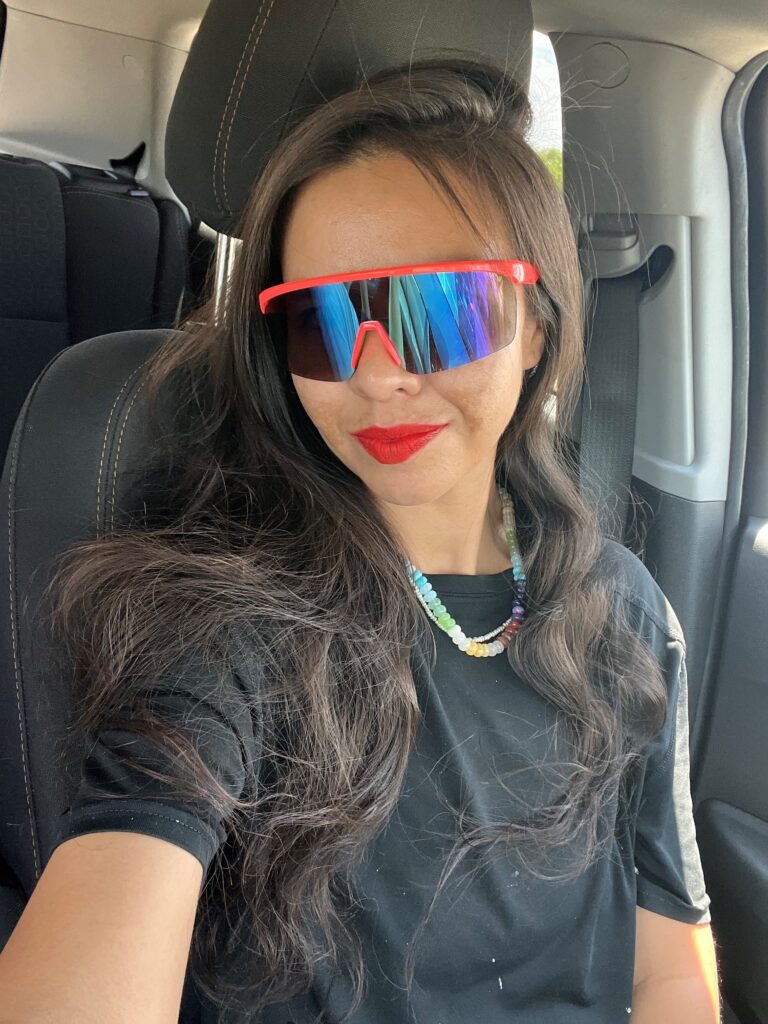
Why is Hispanic leadership in the outdoor space important?
To foster a more inclusive and sustainable future for future Latino generations.
They are important for Latinos because they help our communities enjoy the benefits of nature, when many communities of color today live in spaces with few or no parks and green spaces.
What brought you to the outdoors?
I read an article during the Pandemic stating that people of color are between 67% and 74% more likely to live in an area defined as “nature deprived,” which are areas where a high proportion of the natural area has been lost to human development.
I looked at my surroundings – I was surrounded by mountains, yet I knew that I could not access these mountains and their outdoor activities without paying a high cost. So, I decided to look for a volunteer job that, as a single mother, would give me the opportunity to find resources to enroll my children in activities with an organization that would look at us as people of color and give us the same opportunities that I saw white children being immersed in. I found Thorne and, through the Nature Kids/Jóvenes de la Naturaleza (NKJN) department, I immersed myself in this. My first thought was that if my children at a young age were not exposed to “green” areas, why would they later want to pursue a career focused on nature or conserve and love nature and care for our environment?
Collective impact involves the collaboration of partners and stakeholders. What is your role at Thrive? Tell me about your organization.
There is nothing like promoting collaborative cooperation to reach a more participatory, involved, and committed society. At NKJN, through the central organization Thorne Nature Experience, we have more than 20 partners. If there is something that nature can teach us, it is precisely that we need to work together for a common good.
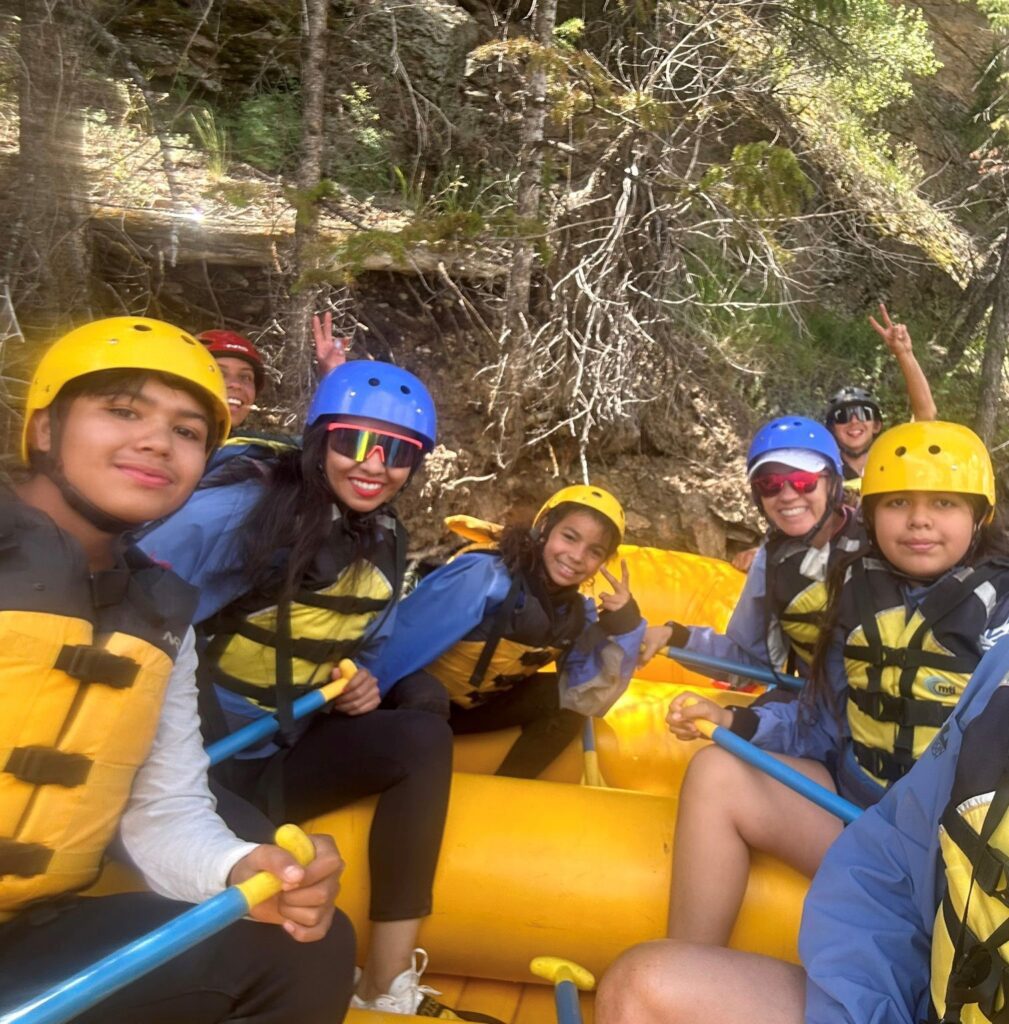
Nature owes its proper functioning to the committed participation of all the elements that participate in the ecosystem; these elements are our partners. Our NKJN department, through Thorne, has significantly impacted people who historically did not have access to nature or could not walk freely in our city. We have changed and impacted entire lives of children, young people, men, and women.
Collective impact involves the collaboration of partners and stakeholders. What is your role at Thrive? Tell me about your organization.
There is nothing like promoting collaborative cooperation to reach a more participatory, involved, and committed society. At NKJN, through the central organization Thorne Nature Experience, we have more than 20 partners. If there is something that nature can teach us, it is precisely that we need to work together for a common good. Nature owes its proper functioning to the committed participation of all the elements that participate in the ecosystem; these elements are our partners. Our NKJN department, through Thorne, has significantly impacted people who historically did not have access to nature or could not walk freely in our city. We have changed and impacted entire lives of children, young people, men, and women.
What is your vision of an ideal exterior?
Have a Nature for All, without masks, without barriers…for ALL, where men and women, white people, people of color, biodiverse people, etc., regardless of their biological condition, must have a harmonious relationship with it. Likewise, the distribution of and access to its resources and benefits, and the impacts of their deterioration, must also be fair.
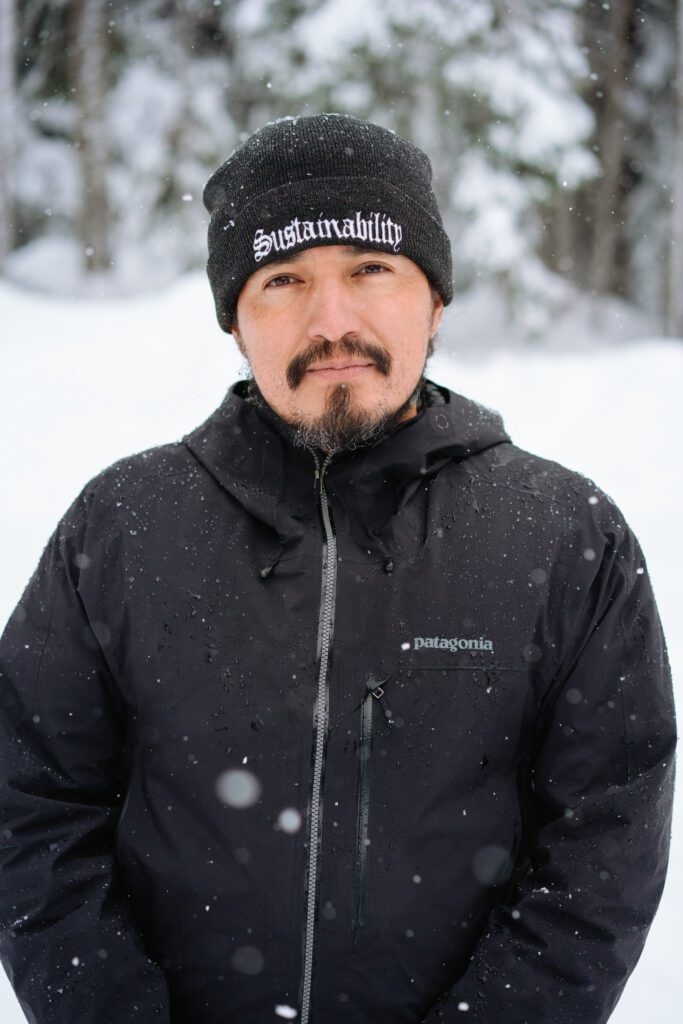
Why is Hispanic leadership in the outdoor space important?
The short answer is because Latinidad is part of the American experience. Our diversity is part of the whole and leadership comes with the responsibility to our respective communities along with the communal tapestry. We’re part of the vibrant social diversity that contributes to the wellbeing of the whole just like biodiversity is critical for the health of the ecological landscape. And the reality is that the demographics of 2050 are going to be different than 1950, and leadership should reflect that as well.
What brought you into the outdoor space?
There’s both a simple answer and a much longer sinuous one. The simple one is that I got hooked on the outdoors and was curious about “where are there others like me?” The more sinuous route is like a braided river, with a watershed of experiences that included growing up in rural Mexico and the Central Valley of California with very different yet connected outdoor experiences. And as I navigated my own cultural wayfinding (becoming “Latino” arriving to the U.S) I found that the outdoors provided an opportunity to navigate that self of identity as well.
How does outdoor equity look for the Latinx community?
When I started the work, we would say something like “to not leave our cultura at the trailhead.” Meaning that suddenly we would have to be different because we’re outdoors, we’re not “wearing the right thing, eating the right thing, connecting to the landscape in the right way, and so on.” And that is still true.
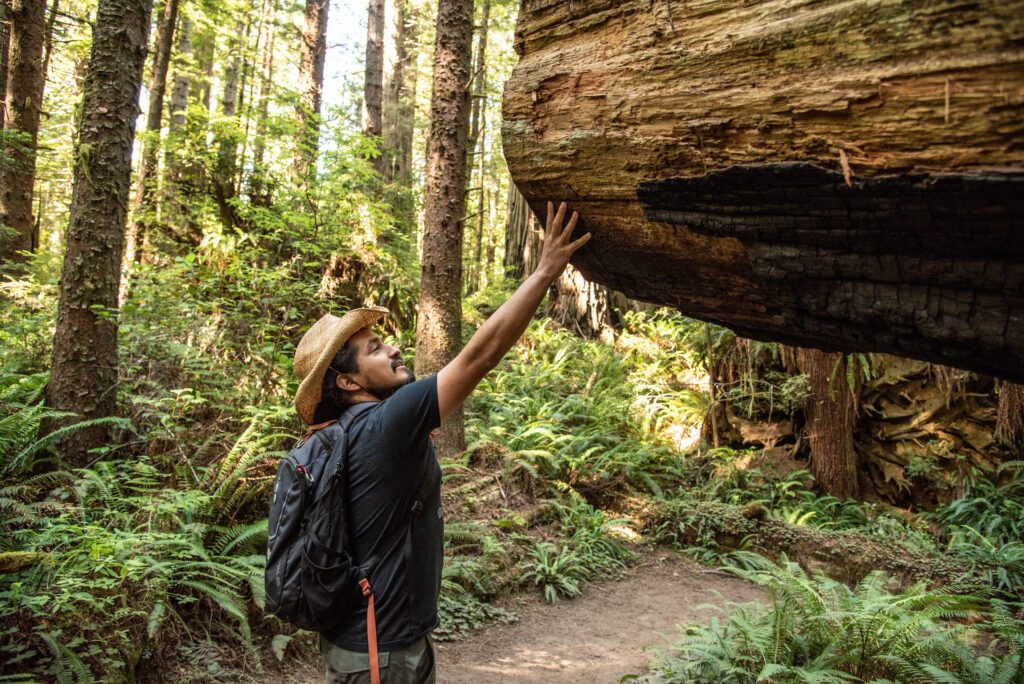
But I also didn’t want our community to just be objects of programming– I wanted us to be reflected in the leadership and decision-making of the space. To be both the recipients and the contributors to incorporate and account for equity in order to attain the equality we strive for in our society– to do this in policy, public funding, elected leadership, and so on. And that the outdoors is as dynamic as our code-switching Spanglish and evolving cultural identities because we’re a part of it.
What is your vision of an ideal outdoors?
I want to say the outdoors is already ideal. But the reality is that on one side it’s a social construct of ours and so we get to be active in what it is and what it means (like “stoke”). On the other side, the land does not exist independently of us– it is impacted by our decisions, from climate change down to what is considered “protected” and in what form and why. Lines on the map have consequences, along with the “people decisions” that is policy. So, I want to say that my vision for an ideal outdoors is one that is supported and co-created by a diverse thriving society as diverse and thriving as the land itself. Pa delante, siempre pa delate.
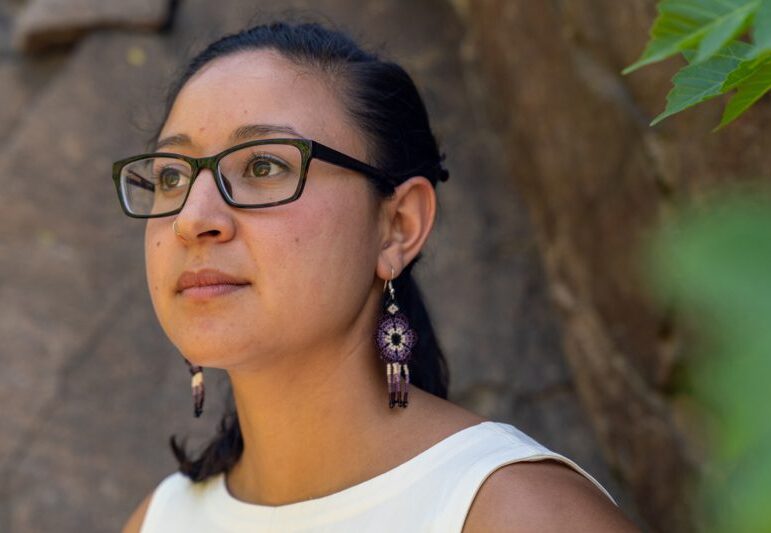
Why is Hispanic leadership in the outdoor space important?
Latino leadership is so critical because it exemplifies that we have always had a connection to nature, stewardship of the land, and understanding of the reciprocity and health benefits of communing and spending time outdoors.
The Latino population and influence in the United States only continues to grow, thus, our leadership now is so important to set the foundation for nature and outdoor infrastructure, policies, and planning to be inclusive, culturally relevant, and reflect the diversity that exists within Latino communities across the country.
What brought you into the outdoor space?
I’m not sure there was one specific moment that brought me into the outdoors space, but rather a life-long passion for giving back to my community, honoring my family and culture’s connection to nature, and utilizing my skills and expertise to drive systemic change for future generations. There are small moments that have stayed with me during this journey, such as gathering pecans in our front yard with my abuela when I was little, riding bikes with my brothers until the streetlights came on, learning to mountaineer and rock climb as an adult, and deciding to pursue a graduate degree in environmental planning. All of these have had a cumulative effect and shed light on the non-linear approach our field must understand and take when seeking to engage communities that have historically been excluded from the enjoyment and protection of nature and the outdoors.
How does outdoor equity look for the Latino community?
Just as geographies and sociopolitical landscapes across the U.S. are diverse, so too are Latino communities across the country. Our communities are ethnically, linguistically, and socioeconomically diverse with unique opportunities and challenges to access and enjoy the outdoors. In my opinion, outdoor equity is a journey rather than an outcome and truly takes into consideration the local and cultural considerations of each community. Long term engagement, iterative feedback, investment in local leadership and outdoor infrastructure, and consistently showing up are but a few examples of outdoor equity for the Latino community.
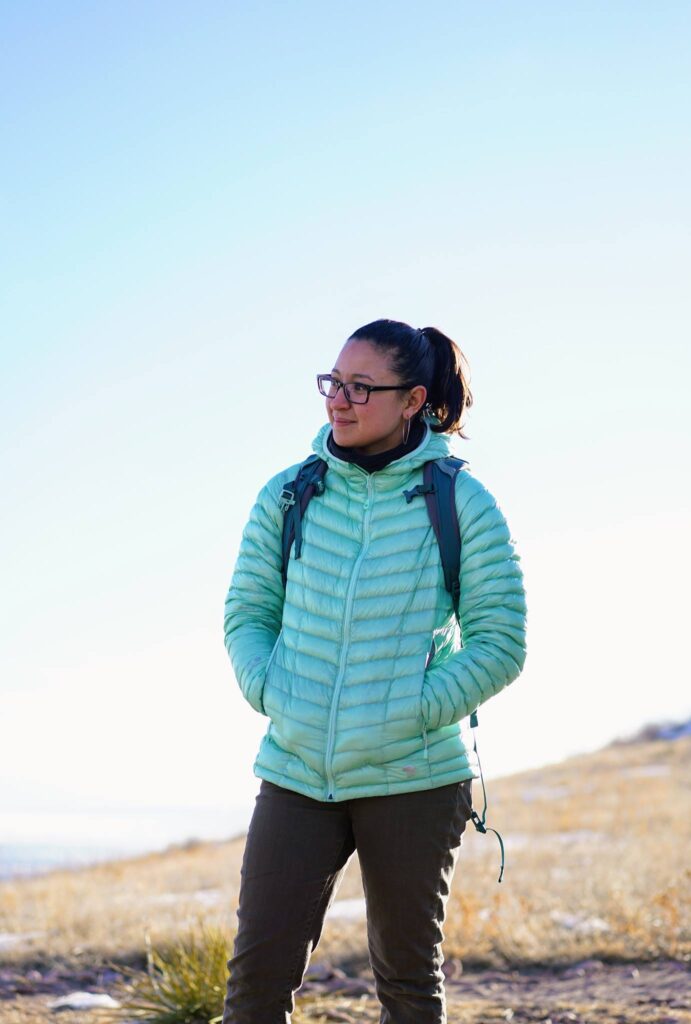
What is your vision of an ideal outdoors?
My vision of an ideal outdoors is one where all communities have access to enjoy and protect natural spaces, with enjoyment linked to non-extractive economic and community benefits from outdoor recreation. It’s a place where everyone feels welcome, safe, and represented, with diverse cultures and histories acknowledged and celebrated, and where all forms of enjoying nature are valued.
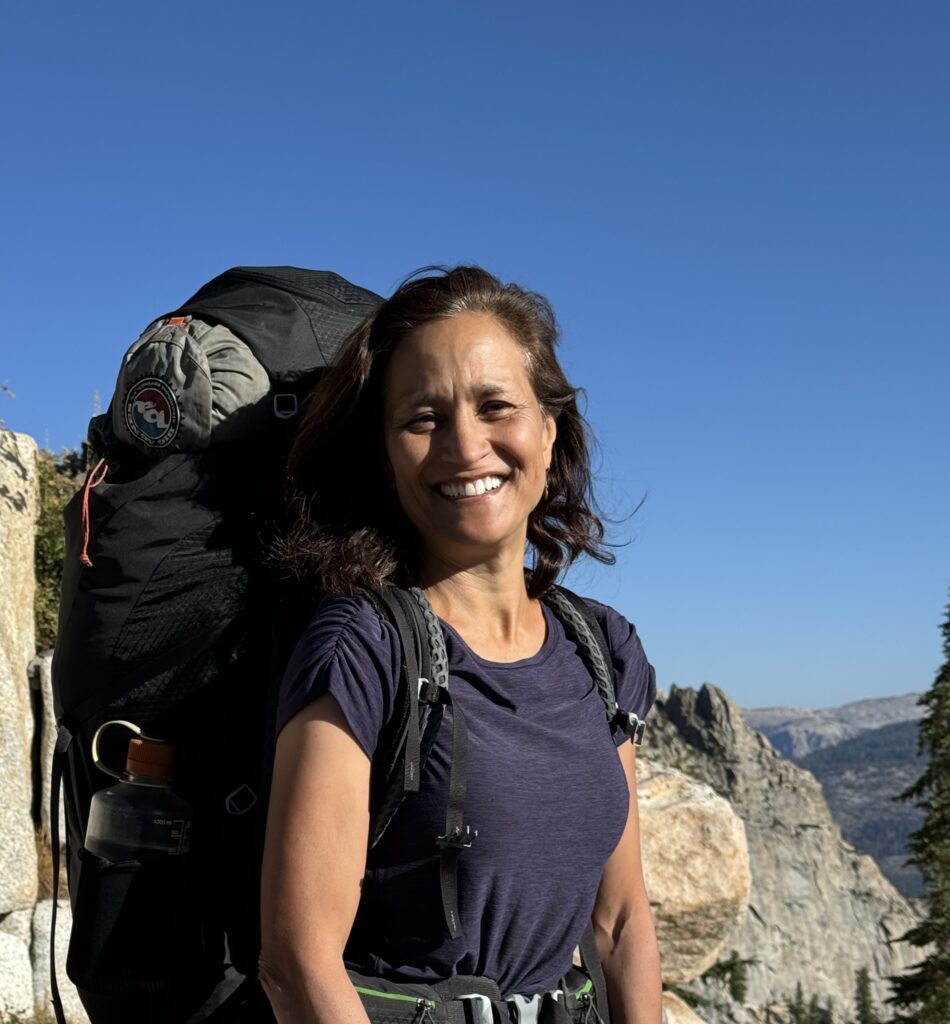
Why is Hispanic leadership in the outdoor space important?
Our Outdoor Participation Report reveals that Latinos and other people of color are less likely to spend time in the outdoors for many reasons. We know people feel welcome in spaces where they see others like themselves, so seeing other Latinos active in the outdoors – biking, hiking, climbing, and paddling, for example – as well as actively expanding access for others can help create a sense of belonging for all in the outdoors.
What brought you into the outdoor space?
I’m fortunate that time outside was important to both of my parents. My mom, having grown up in East Los Angeles, didn’t experience the wilderness until she met my dad, but then she realized how much she thrives in the outdoors. So, ever since I was very young, our family vacations consisted of either backpacking or camping. Knowing how nourishing outdoor time is for me, I’ve dedicated my volunteer time to expanding outdoor access for more people, particularly those from communities who face barriers – whether because of transportation, equipment costs, and/or just feeling they don’t belong in these settings.
What excites you about the Outdoor Foundation and serving as Board Chair?
I’m excited by what is possible when communities come together to leverage their local resources and programs to ensure more children and youth get to spend quality time outdoors. We see how creative approaches – from Boulder’s whole family-integrated programming to Chicago’s Gear and Supplies Fund – can make time outdoors possible for more young people, improve their physical and mental health, and inspire them. I appreciate that partnerships – with local communities, the outdoor industry, and other stakeholders – are at the core of the Outdoor Foundation’s work.
What is your vision of an ideal outdoors?
It’s a place where people of all backgrounds feel completely welcome and are able to enjoy the peace and replenishment we get from nature. Ideally, too, people understand the importance of caring for natural places so they can be sustained for generations to come.
Este Mes Nacional de la Herencia Hispana, estamos celebrando líderes de la comunidad hispana que contribuyen a la misión de Outdoor Foundation Thrive Outside. Estos individuos continúan a formar espacios al aire libre que son inclusivos, equitativos y diversos. Lea nuestras entrevistas con estos líderes a continuación.
¿Por qué es importante el liderazgo hispano en los espacios al aire libre?
Como todas las iniciativas de diversidad, el liderazgo hispano y la participación en espacios al aire libre hace que estos lugares sean mejores. Nuestro patrimonio es parte del tejido de nuestra sociedad y así debe ser incluido, representado y celebrado en todas las áreas de nuestras vidas. También, es un recordatorio esencial que siempre hemos sido parte de estos espacios porque la naturaleza siempre ha sido parte de nosotros, para sustento, trabajo y ocio. Nuestras culturas siempre han sido en relación con la naturaleza a través de y a pesar de colonización.
¿Cómo empezaste a trabajar en el área de acceso equitativo al aire libre?
La respuesta corta es mi familia. Yo estaba muy privilegiada a crecer entre cazadores y pescadores. Pero al final, lo que me llevó a una carrera con conneccion al aire libre es la relación que formé con la naturaleza a lo largo del camino. Viendo la naturaleza desaparecer alrededor de mí o siendo extraída o destruida, inicio una pasión e una responsabilidad en mí. No pude estar sentada, viendo como sucede todo. Cuidar de nuestro planeta no debe ser una pregunta. Debe ser una norma para todos, y espero que puedo inspirar a la gente a perseguir sus propias relaciones con la naturaleza para que todos puedan cuidar de nuestra casa compartida. Por un lado más brillante, estar en la naturaleza me da esperanza y propósito. Me hace sonreír y me muestra lo que soy capaz de hacer mas allá de las maneras coloniales o capitalistas. Cuando estoy en la naturaleza, me siento valorada simplemente por existir.
¿Cómo se ve la equidad de acceso al aire libre para la comunidad latina?
Se ve como cada niño y adulto tienen la oportunidad de crear recuerdos significativos en la naturaleza, sentirse seguro y bienvenido al estar afuera. Tener acceso al equipo que hace las aventuras afuera mas accesibles y mejor. Y tener acceso a diferentes relaciones recíprocas que se puedan tener en la naturaleza (desde el placer hasta la supervivencia).
¿Cuál es tú visión de un espacio al aire libre ideal?
Mi espacio al aire libre ideal honora las maneras ancestrales de existir. Es un lugar donde la naturaleza no sea extraída por dinero, pero tratada como un pariente, y donde todos pueden mostrar gratitud por lo que ella nos proporciona. Es un espacio donde cada ser es valorado por existir.
¿Por qué es importante el liderazgo hispano en los espacios al aire libre?
Liderazgo hispano en los espacios al aire libre es importante para que nuestra comunidad puedan ver alguien que se parece a ellos y habla el mismo idioma, lo que puede proporcionar una manera de formar conexión, confianza y comunicación. Niños y familias se verán representados en áreas que tradicionalmente han sido subrepresentadas. También, líderes hispanos en espacios al aire libre tienen un entendimiento de barreras, necesidades y deseos que la comunidad hispana ha experimentado. Esto crea una comunidad más fuerte que sea más consciente de las diferentes oportunidades que existen para participar en actividades al aire libre. Además, podemos crear un espacio donde el acceso a actividades al aire libre y conexión a la naturaleza es diverso, equitativo, y donde todos se sientan incluidos. Inspirando liderazgo hispano es esencial para continuar de educar, conectar y activar comunidades latinas a participar en actividades al aire libre.
¿Cómo empezaste a trabajar en el área de acceso equitativo al aire libre?
Creciendo en Costa Rica, tuve varias oportunidades para tener una conexión fuerte con la naturaleza, desde plantas, hasta frutas, los insectos, los pájaros, el clima, las montañas, la selva tropical, a los ríos, a los océanos. Yo entendí la importancia de la naturaleza y del aire libre para todos nosotros. ¡Es la medicina perfecta! El disfrute de conectar con la naturaleza y el aire libre e interminable oportunidades de tener diferentes aventuras siempre me inspiró a compartir esto con otros. Los Servicios de Parques Nacionales en Costa Rica y Los Estados Unidos tienen mucho que ver con esto. Yo quería compartir mi amor para el aire libre y experiencias con los demás.
El impacto colectivo implica colaboración entre socios. ¿Cuál es tu papel en Thrive Outside? Cuéntame sobre tu organización.
Mis responsabilidades principales en Thrive son para conectar jóvenes desfavorecidos y familias con experiencias al aire libre memorables y para compartir estrategias y colaborar con otras comunidades dentro de este programa colectivo.
Soy el director de participación comunitaria para Thorne Nature Experience y el Nature Kids/Jóvenes de la Naturaleza (NKJN) colectivo para las ciudades de Lafayette, Boulder, y Longmont. NKJN es un proyecto de impacto colectivo de 5 años y de 10 millones de dólares diseñado para conectar a los jóvenes desfavorecidos de Lafayette, Boulder, y Longmont con la naturaleza y las actividades al aire libre. Estos programas son para pre-escolar hasta la escuela secundaria y desde el patio de la casa hasta las montanas, integrado para toda la familia. Tienen oportunidades para capacitación profesional y empleo remunerado. Además, tenemos unos proyectos de construcción para garantizar que todos los jóvenes de Lafayette viven dentro de un camino seguro a diez minutos para llegar a un espacio natural.
¿Cuál es tú visión de un espacio al aire libre ideal?
Es un lugar donde todos puedan disfrutar acceso equitativo a nuestros parques nacionales y espacios al aire libre. Un ambiente inclusivo que une las brechas culturales, fomenta la comunidad, y que sea acogedor para todos. Hay educación y conocimiento sobre todos los beneficios de una forma de vivir conectada al aire libre se pueda dar. Este espacio puede inspirar los jóvenes y sus familias a explorar y conectar con la naturaleza. Puede ser un lugar que rompe las barreras, para nuestras comunidades hispanas a valuar y respectar la tierra, un sentido de pertenencia. Además, es una oportunidad para que la comunidad Latina puede reconectar en la preservación de nuestra herencia cultural y que genera un futuro donde más gente como yo puede considerar carreras y caminos en la vida en el área del aire libre, igual como usar lo recreativamente para pasar esta apreciación de la naturaleza a generaciones venideras.
¿Por qué es importante el liderazgo hispano en los espacios al aire libre?
Para generar un futuro más inclusivo y sostenible para generaciones latinas venideras.
Estos líderes son importantes para latinos porque ayudan a nuestras comunidades a disfrutar los beneficios de la naturaleza, en un ambiente en que muchas comunidades de color viven en espacios con pocos o cero parques y espacios verdes.
¿Cómo empezaste a trabajar en el área de acceso equitativo al aire libre?
Durante la pandemia, leí un artículo que decía que gente de color son entre 67% y 74% más probable a vivir en un área que se define como “privado de la naturaleza,” que son áreas donde una alta proporción del espacio natural ha sido perdido por causa del desarrollo humano. Miré a mi alrededor, estaba rodeada de montañas, pero sabía que no podría llegar a estas montañas y sus actividades al aire libre sin pagar un costo alto. Entonces, decidí buscar un trabajo voluntario que, como madre soltera, puede darme la oportunidad a encontrar recursos para matricular a mis hijos en actividades con una organización que nos miraría como gente de color y nos daría las mismas oportunidades como los otros. Encontré Thorne, a través del departamento de Nature Kids/ Jóvenes de la Naturaleza (NKJN), me sumergí en este trabajo. Mi primer pensamiento fue si mis niños, desde pocos años, no eran expuestos a espacios verdes. ¿Cómo van a seguir una carrera enfocada en la naturaleza? ¿Cómo van a conservar y amar la naturaleza y cuidar de nuestro medio ambiente?
El impacto colectivo implica colaboración entre socios. ¿Cuál es tu papel en Thrive Outside? Cuéntame sobre tu organización.
No hay nada como promover la cooperación y colaboración para alcanzar a una sociedad más participativa, involucrada y comprometida. En NKJN, a través de la organización central Thorne Nature Experience, tenemos más de 20 socios. Si hay algo que la naturaleza nos puede enseñar, es que nosotros necesitamos trabajar juntos para el bien común. La naturaleza funciona de una forma correcta cuando todos los elementos participan en el ecosistema. Estos elementos son nuestros socios. Nuestro departamento NKJN, a través de Thorne, tiene impactado gente que históricamente no tenían acceso a la naturaleza o que no podían caminar con libertad en nuestra ciudad. Nosotros hemos cambiado e impactado vidas de niños, jóvenes, hombres, y mujeres.
¿Cuál es tú visión de un espacio al aire libre ideal?
Tener una Naturaleza para Todos, sin máscaras, sin barreras…para TODOS, donde hombres y mujeres, gente blanca, gente de color, gente biodiversa, etc., independientemente de su condición biológico, pueden tener una relación armoniosa con la naturaleza. De la misma manera, la distribución y acceso a sus recursos y beneficios, y el impacto de su deterioro, debe ser justo también.
¿Por qué es importante el liderazgo hispano en los espacios al aire libre?
La respuesta corta es que la “Latinidad” es parte de la experiencia Americana. Nuestra diversidad es parte de todo y el liderazgo viene con la responsabilidad a nuestras propias comunidades junto con el tapiz comunal. Somos parte de la vibrante diversidad social que contribuye al bienestar del todo, así como la biodiversidad es fundamental para la salud del paisaje ecológico. Y la realidad es que la demografía de 2050 va a ser muy diferente a la de 1950, y el liderazgo debe reflexionar esto también.
¿Cómo empezaste a trabajar en el área de acceso equitativo al aire libre?
Hay una respuesta sencilla y una mucha más larga y sinuosa. La respuesta sencilla es que me enganché al aire libre y estaba curioso sobre, “¿Dónde están otros como yo?” La ruta más sinuosa es como un río trenzado, con unas experiencias fundamentales que incluyen mi niñez en México rural y en el Valle Central de California con unas experiencias al aire libre muy diferentes pero conectadas. Y mientras que yo navegaba mi propia orientación cultural (volverse “latino” llegando a los EE. UU.), encontré que espacios al aire libre me proporcionó una oportunidad para navegar esta parte de mi identidad también.
¿Cómo te parece el acceso equitativo al aire libre para la comunidad latina?
Cuando comencé este trabajo, nosotros diríamos algo como, “No dejes nuestra cultura al comienzo del sendero.” Lo que significa que de repente tendríamos que ser diferentes, porque estamos en el aire libre. No tenemos la ropa adecuada, no tenemos la comida correcta, o no nos conectamos con el paisaje en una manera adecuada, y demás. Y eso sigue siendo cierto. Pero no quería que nuestra comunidad sea objetos de programación, quería que fuéramos reflexionados en el liderazgo del espacio. Para ser los recipientes y contribuyentes para incorporar y dar cuenta de la equidad para la igualdad por la que luchamos y hacer esto en la política, financiación pública, con líderes electas, y demás. Y que el aire libre sea tan dinámico como nuestro cambio de código Spanglish y cultura evolucionando porque somos parte de ella.
¿Cuál es tú visión de un espacio al aire libre ideal?
Quiero decir que el aire libre ya es ideal. Pero la realidad es que por un lado es una construcción social de nosotros, así tenemos la oportunidad para participar en lo que es y lo que significa. Por el otro lado, la tierra no existe independiente de nosotros. Ella es impactada por nuestras decisiones, desde el cambio climático hasta lo que es considerado “protegido” y en qué forma y por qué. Líneas en el mapa tienen consecuencias, junto con las decisiones de la gente que en el área de política. Así, quiero decir que mi visión para un aire libre ideal es un lugar que sea apoyado y cocreado por una sociedad diversa y próspera como la tierra misma. “Pa delante, siempre pa delate”.
¿Por qué es importante el liderazgo hispano en los espacios al aire libre?
Liderazgo latino es tan importante porque lo ejemplifica que siempre habíamos tenido una conexión a la naturaleza, administración de la tierra, y conocimiento de la reciprocidad y los beneficios a la salud que reuniendo y pasando tiempo al aire libre pueda dar. La población latina y su influencia en los Estados Unidos solo continua a crecer, y así, nuestro liderazgo ahora es tan importante para establecer la fundación de infraestructura, política, y planeamiento para ser inclusivo, relevante culturalmente, y para reflejar la diversidad que existe adentro de las comunidades latinas a través del país.
¿Cómo empezaste a trabajar en el área de acceso equitativo al aire libre?
No estoy seguro si había un momento específico que me llevó a trabajar en esta área, sino más bien una pasión de toda la vida por retribuir a mi comunidad, honrando la conexión de mi familia y mi cultura con la naturaleza, y utilizando mis conocimientos y experiencias para generar cambio sistemático para las generaciones futuras. Hay pequeños momentos que se han quedado conmigo durante este camino, como recolectar nueces en nuestro patio delantero cuando era niña, montando bicicletas con mis hermanos desde que las luces de la calle se encendieron, aprendiendo a hacer montañismo y escalada en rocas siendo adulto, y decidiendo a obtener un título de posgrado en planificación ambiental. Todas de estas experiencias han tenido un impacto acumulativo y clarifican el enfoque no lineal que nuestra área de trabajo debe comprender y seguir mientras que estamos involucrando a las comunidades que han sido históricamente excluidas del disfrute y protección que ofrece la naturaleza y el aire libre.
¿Cómo te parece acceso equitativo al aire libre para la comunidad latina?
Como la geografía y el paisaje sociopolítico a través del Estados Unidos son diversos, así también son las comunidades latinas a través del país. Nuestras comunidades son étnicamente, lingüísticamente y socioeconómicamente diversas con oportunidades únicas y desafíos para el acceso al aire libre. En mi opinión, el acceso equitativo al aire libre es un proceso más que un resultado y realmente se debe tomar encuenta las consideraciones locales y culturales de cada comunidad. Participación a largo plazo, solicitación de perspectivas, inversión en liderazgo local y infraestructura al aire libre, y asistir a eventos constantemente son solo algunos ejemplos de cómo generar acceso equitativo para la comunidad latina.
¿Cuál es tú visión de un espacio al aire libre ideal?
Mi visión de un espacio al aire libre ideal es un lugar donde todas las comunidades tienen acceso para disfrutar y proteger la naturaleza, con el disfrute comunitario conectado a actividades económicas no extractivas al aire libre. Es un lugar donde todos sienten acogidos, seguros, y representados, con diversas culturas e historias reconocidas y celebradas, donde todas las formas de disfrutar la naturaleza son valoradas.
¿Por qué es importante el liderazgo hispano en los espacios al aire libre?
Nuestro Informe de Participación al Aire Libre revela que latinos y otra gente de color tienen menos probabilidades a pasar tiempo al aire libre por varias razones. Sabemos que la gente siente acogedora en espacios donde pueden ver otros como ellos. Entonces, viendo otros latinos participando en actividades al aire libre, como ciclismo, senderismo, o escalada de roca, por ejemplo, así como ampliando el acceso para otros, puede ayudar a crear un sentido de pertenencia para todos en el aire libre.
¿Cómo empezaste a trabajar en el área de acceso equitativo al aire libre?
Soy afortunada que tiempo al aire libre fue importante para mis padres. Mi madre, como creció en el Este de Los Ángeles, no experimentó las actividades al aire libre hasta que conoció mi padre, pero entonces se dio cuenta de lo mucho que prospera al aire libre. Así que, desde que tuve pocos años, nuestras vacaciones familiares siempre consistieron en viajes con mochila o ir a campar. Sabiendo los enriquecedor que es para mí el tiempo al aire libre, me he dedicado mi tiempo como voluntario a expandir el acceso al aire libre para más gente, particularmente los que vienen de comunidades que se enfrenten barreras, ya sea por el transporte, costos de equipamiento, o el sentimiento que no se pertenece a esos espacios.
¿Qué es lo que le entusiasma de la Outdoor Foundation y de su rol como presidente de la Junta Directiva?
Estoy emocionada por lo que es posible cuando las comunidades se juntaron para aprovechar sus recursos locales y programas para asegurar que más niños y jóvenes pueden pasar tiempo de calidad al aire libre. Vemos cómo iniciativas creativas, desde la programación integrada para toda la familia de Boulder hasta el Fondo de Equipos y Suministros de Chicago, puede hacer posible tiempo al aire libre para más jóvenes, como mejora su salud mental y físico, y los inspirar a ellos. Agradezco que asociaciones con comunidades locales, la industria del aire libre, y otras partes interesadas son el núcleo del trabajo del Outdoor Foundation.
¿Cuál es tú visión de un espacio al aire libre ideal?
Es un lugar donde gente de todas las identidades se sienten completamente bienvenidas y pueden disfrutar la paz y la reposición que trae la naturaleza. Idealmente, también, la gente puede entender la importancia de cuidar de la naturaleza para que estos lugares pueden ser sostenidos para futuras.

This Pride Month, we’re celebrating the love that the LGBTQ+ community shows the outdoors all year long. From hiking and camping to paddleboarding and kayaking, LGBTQ+ individuals are recreating outside at a higher rate than any other adult cohort.

Members of the LGBTQ+ community make up 11.3% of the outdoor participant base (19.9M) and continue to be the most active adult cohort in outdoor recreation, with total participation rates above 60%. Furthermore, people who identify as bisexual had the highest participation rate at 65.6%.
This month and every month, we celebrate that love is love everywhere – from urban parks to rugged peaks.

If you’re curious about the data and want to dive deeper, check out our recently released 2024 Outdoor Participation Trends Report.

Outdoor participation grew 4.1% to a record 175.8 million participants: 57.3% of all Americans aged six and older.
Continue readingSearch