



Capitol Summit Sessions
OIA Capitol Summit 2026 convened outdoor industry leaders at a critical moment for the industry and the broader policy environment. Across two days of programming and Capitol Hill engagement, the Summit focused on translating the outdoor industry’s economic scale into sustained policy influence through coordinated advocacy, stronger storytelling, and long-term relationship building.
The opportunity for the outdoor industry is no longer proving its relevance. The opportunity is converting that relevance into sustained influence, stronger partnerships, and long-term policy outcomes that support businesses, communities, public lands, and outdoor participation nationwide.
Kent Ebersole opened the Summit by grounding attendees in the scale and relevance of the outdoor industry while reinforcing that economic size alone does not create policy influence. He emphasized that Capitol Summit exists to connect business realities to policymaking through direct engagement with lawmakers and staff. The session established a central theme that carried throughout the Summit: advocacy is most effective when leaders connect policy to real people, businesses, communities, and outdoor experiences
Summary
- Positioned Capitol Summit as more than Hill meetings—it is about demonstrating the industry’s economic strength, policy credibility, and leadership presence
- Reinforced that business voices matter most in Washington
- Shared updated industry data:
- 183M participants
- 11.9B outings
- $1.3T economic output
- 5.2M jobs supported
- Emphasized that stories—not just statistics—drive influence
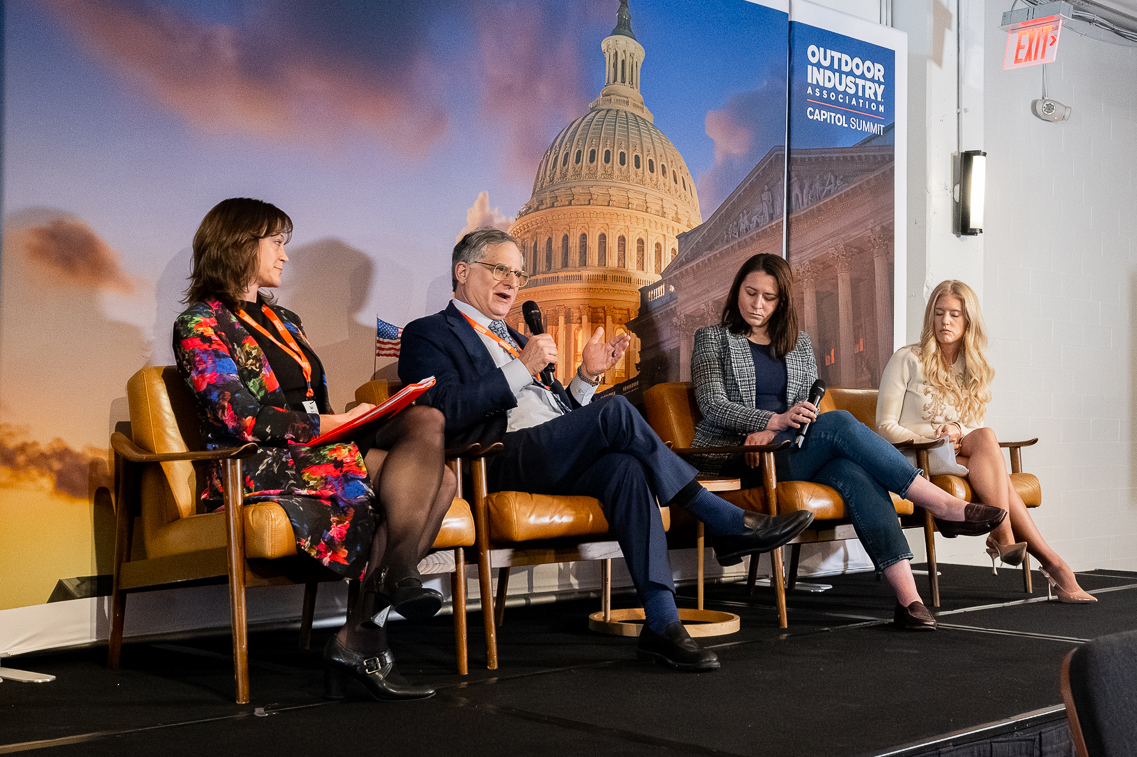
This panel explored the current political landscape and the realities of advancing outdoor recreation priorities in Washington. Speakers emphasized that while outdoor recreation benefits from bipartisan support, it must compete within a crowded legislative environment shaped by elections, funding battles, and partisan priorities. The discussion reinforced the importance of long-term relationship building, coalition alignment, and translating industry priorities into local economic and community impacts that resonate with policymakers.
Moderator: Taldi Harrison
Panelists: Jessica Turner, Madeline Wade, Ron Sorini
- Washington remains highly polarized with limited legislative bandwidth
- Outdoor recreation is broadly supported but competes for attention among larger political priorities
- Key themes:
- Big numbers open doors; stories create impact
- Progress often depends on timing and persistence
- Industry influence is stronger than many businesses realize
- Strategic takeaway: Influence requires sustained engagement, not one-time advocacy
This session connected the Summit's policy priorities to the broader legislative and political environment heading into the 2026 election cycle. Speakers emphasized that while Congress faces limited bandwidth for major new legislation, opportunities still exist through agency implementation, appropriations, and strategic positioning within larger national conversations. Public lands funding emerged as a central issue, alongside the need to continue advancing EXPLORE Act implementation. The discussion also highlighted the opportunity to expand the outdoor industry's influence by connecting recreation to public health, veterans access, and broader community outcomes. The session reinforced that advocacy cannot be episodic—it must continue year-round in both Washington and local districts.
Speakers: Whitney Potter Schwartz, Charles Cooper
- The policy environment is increasingly shaped by election-year dynamics
- Congress faces a large must-pass legislative agenda, limiting opportunities for new legislation
- Key opportunities include:
- Agency action and implementation
- Strategic alignment with national initiatives such as America 250
- Public lands funding remains a top priority
- Outdoor recreation has significant potential to align with:
- Public health
- Veterans initiatives
- Community well-being
- Strategic takeaway: Advocacy must be continuous and relationship-driven
Taldi Harrison provided attendees with a practical framework for engaging with lawmakers and congressional staff. She emphasized that effective advocacy is rooted in clarity, authenticity, and storytelling rather than technical policy expertise. Participants were encouraged to share real business experiences, focus on human impacts, and build relationships that continue beyond Capitol Summit itself.
Speaker: Taldi Harrison
- Reframed lobbying as “congressional education”
- Emphasized:
- Personal experience over policy memorization
- Constituency voices as a key source of influence
- Key guidance:
- Keep meetings conversational
- Connect stories directly to policy asks
- Leave meetings with clear follow-up actions
This session focused on ensuring that recent policy wins deliver measurable outcomes for outdoor recreation and public lands. Speakers emphasized that legislation alone is not enough; implementation, appropriations, and sustained advocacy are critical to ensuring long-term impact. Examples demonstrated how investments in infrastructure directly support access, participation, tourism, gateway communities, and local economies across the country.
Moderator: Alex Boian
Speakers: Paul Coussan, Adam Cramer, Kate Kelly
- Focused on two primary priorities:
- EXPLORE Act implementation
- Legacy Restoration Fund reauthorization
- Key themes:
- Policy success requires implementation and funding
- Public lands infrastructure is essential to recreation access and participation
- Strategic takeaway: Continued advocacy is necessary to translate legislation into on-the-ground impact
This session explored the operational and financial impacts of evolving trade policy on outdoor businesses. Speakers shared how tariffs and supply chain instability affect planning, sourcing, staffing, pricing, and investment decisions, particularly for smaller brands. The conversation reinforced that trade policy is not abstract—it has direct consequences for businesses, consumers, and long-term growth. Participants emphasized the importance of translating these impacts into relatable stories that resonate with policymakers.
Introduced by: Jeff Tooze
Moderator: Emily Vedaa
Speakers: Cassie Abel, Megan Costello, Chris Nance
- Trade volatility remains a major challenge for outdoor businesses
- Key issues discussed:
- Tariff uncertainty
- Supply chain disruption
- Pricing and sourcing instability
- Key insight: Policymakers respond best to real business stories and human impacts
- Strategic takeaway: OIA’s balanced trade approach strengthens credibility in Washington
This session explored the operational and financial impacts of evolving trade policy on outdoor businesses. Speakers shared how tariffs and supply chain instability affect planning, sourcing, staffing, pricing, and investment decisions, particularly for smaller brands. The conversation reinforced that trade policy is not abstract—it has direct consequences for businesses, consumers, and long-term growth. Participants emphasized the importance of translating these impacts into relatable stories that resonate with policymakers.
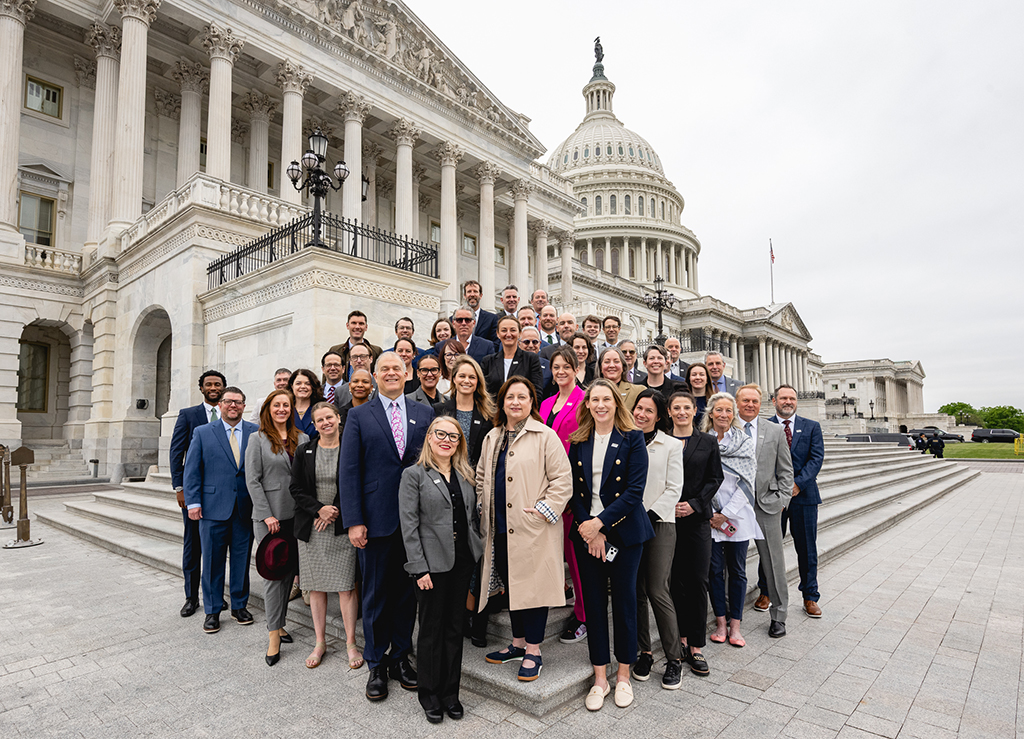
Across those meetings, attendees delivered a consistent message: the future of the outdoor economy depends on policies that expand access to the outdoors, strengthen recreation infrastructure, support public lands, and create a more stable and predictable environment for businesses to plan, invest, and grow.
The meetings reinforced the outdoor industry’s unique position as both an economic force and a bipartisan constituency. Participants shared real-world business perspectives on how policy decisions affect supply chains, investment, jobs, consumer access, and participation in communities across the country.
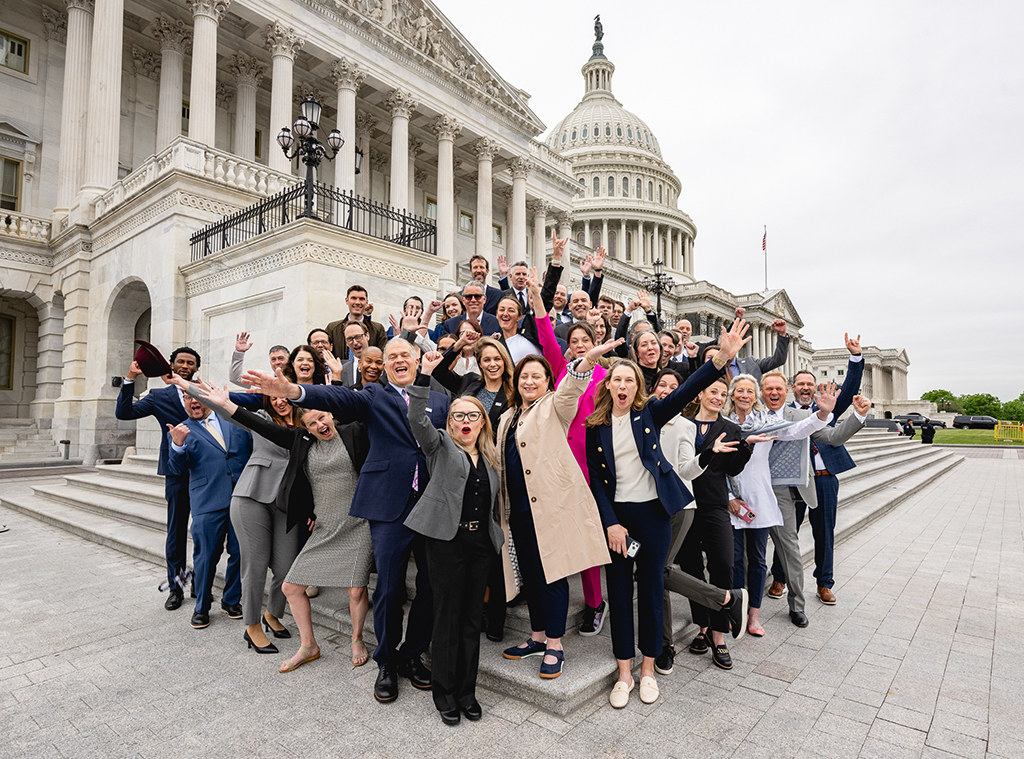
The day concluded with a clear takeaway: collective advocacy matters. By showing up together with coordinated messaging and shared priorities, the outdoor industry demonstrated both the scale of its impact and its commitment to shaping policies that support businesses, communities, public lands, and the future of outdoor recreation.
- Participants worked across eight advocacy groups
- Held 50 meetings with: Members of Congress, Congressional staff, Committee staff and policy advisers
- Meetings focused on: Public lands funding, EXPLORE Act implementation, Trade and tariff policy, Recreation infrastructure, Long-term outdoor access
- Strategic takeaway: Coordinated advocacy amplifies industry influence
The Summit reinforced that the outdoor industry has the economic scale, public support, and bipartisan relevance to influence policy, but influence is not automatic. Success depends on sustained engagement, coalition alignment, compelling storytelling, and continued advocacy beyond Capitol Summit itself.
Key themes that emerged across sessions and Hill meetings included:
- The industry is operating in a constrained legislative environment where implementation, funding, and agency action are increasingly important
- Public lands infrastructure and recreation access remain bipartisan opportunities
- Trade and tariff uncertainty continue to create operational and investment challenges for outdoor businesses
- Policymakers respond most strongly to authentic stories tied to local communities, jobs, and economic impact
- Long-term influence is built through consistent engagement in Washington and in districts
Susan Viscon from REI closed the Summit by reinforcing the central themes of collaboration, storytelling, and collective action. She emphasized that while data establishes credibility, authentic stories are what make policy issues real for lawmakers and staff. Participants were encouraged to continue engaging beyond the Summit and to view advocacy as an ongoing responsibility tied to the future of the outdoor industry and public lands.
Speaker: Susan Viscon
- Reinforced that the industry’s strength comes from collaboration and shared advocacy
- Highlighted examples of effective storytelling
- Key themes:
- Authenticity
- Clarity
- Consistency
- Strategic takeaway: Personal stories create lasting policy impact
How OIA Showed up on Capitol Hill
- Here & There: A Few Days on Capitol Hill: https://www.hereandthere.club/p/a-game-of-inches
- SGB Online: https://sgbonline.com/oia-recaps-2026-capitol-summit-efforts-to-demonstrate-the-outdoor-industrys-strengths/
- Outdoor Sportswire: https://www.outdoorsportswire.com/outdoor-industry-leaders-to-convene-in-washington-d-c-for-capitol-summit-2026/
- Shop Eat Surf: https://shop-eat-surf-outdoor.com/press-releases/outdoor-industry-leaders-to-convene-in-washington-d-c-for-capitol-summit-2026/618626/
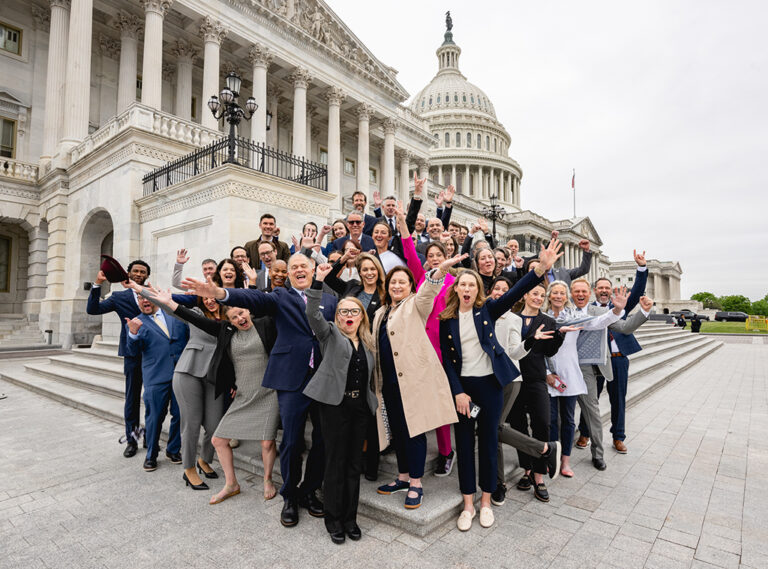
Capitol Summit is your business’ chance to build relationships with the elected officials who make decisions that affect the outdoor industry every day. Our 2026 agenda includes:
Miss the 2026 OIA Capitol summit? Get in touch to find out how to get involved now and attend next year.
Ready to amplify your impact?
OIA MEMBERS ARE OUR INDUSTRY'S BOOTS ON THE GROUND
OIA members get exclusive access to participate in intimate, face-to-face meetings on Capitol Hill with legislators, advocating for policy priorities spanning trade, conservation, recreation, climate, and equity. Join us in Washington, D.C., to tell your company’s story, champion our collective values, and expand your professional network.
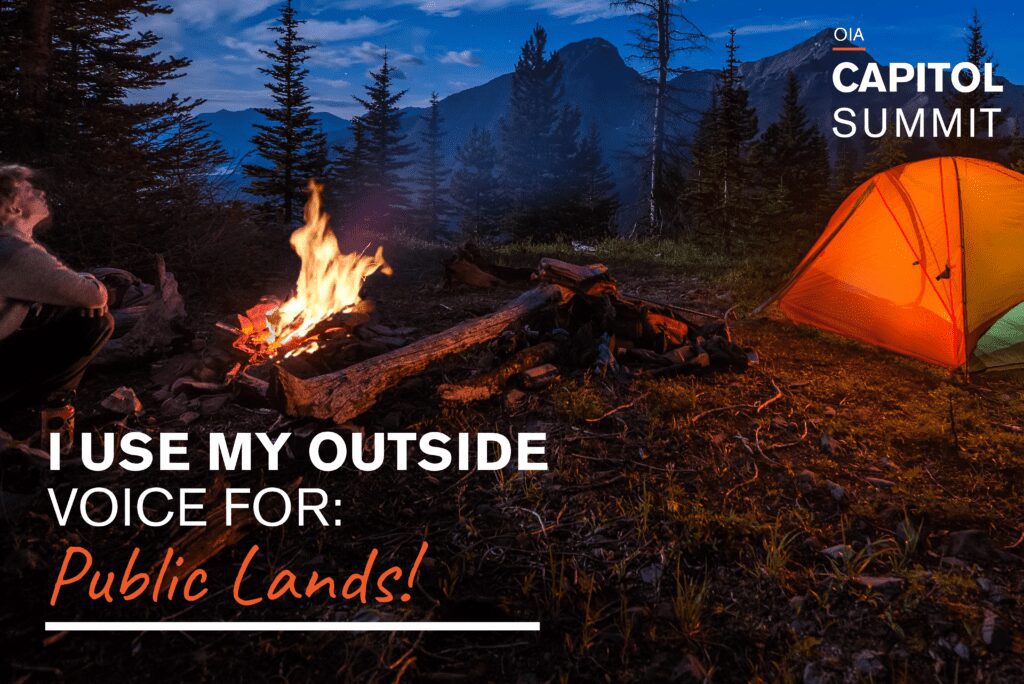
USE YOUR OUTSIDE VOICE FROM ANYWHERE
Join our social media campaign! Tell us what outdoor issues you most care about and we’ll share your story with our elected officials and the outdoor community. Whether it’s equitable access, protection of our public lands, or investment in our parks, we want to know.
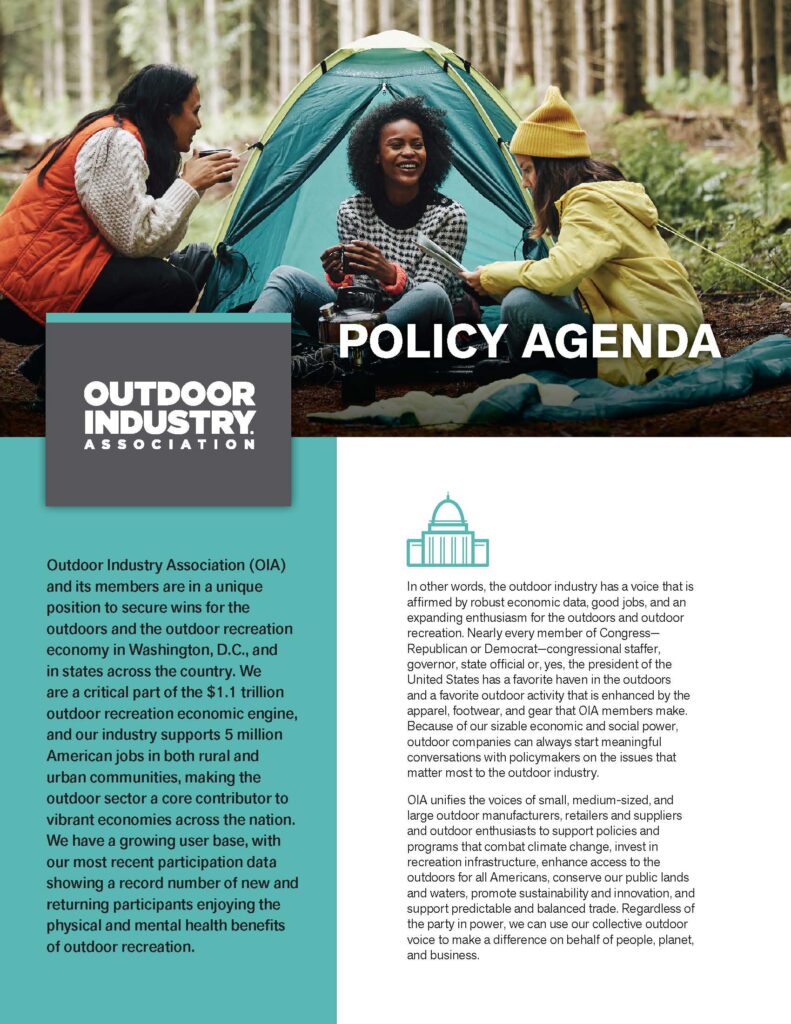






take action, Become a member today
Become an OIA member and join our passionate group of business leaders, climate experts, policy makers and outdoor enthusiasts committed to sustainable economic growth and climate positivity while protecting—and growing access to—the benefits of the outdoors for everyone.
Call 303.444.3353 to speak to a membership manager today.
Contact - Discuss Membership - Pillar Pages and Home
"*" indicates required fields