
MiiR, Stanley, and YETI’s Bold Collaboration to Reduce Supply Chain Emissions

Three drinkware brands, one mission: protect the planet

Making a significant move to create a more sustainable future, three drinkware brands came together in a first-of-its-kind effort to reduce carbon emissions across the drinkware supply chain. Deemed the Drinkware CoLab, ​ MiiR, Stanley, and YETI, facilitated by the Outdoor Industry Association (OIA), spearheaded this collaboration to reduce the environmental impact of manufacturing. The brands invited four shared third-party suppliers to participate in the project and all parties provided financial and human resources to support the project. The scoped work of the CoLab launched in 2022 and was completed in early 2024.   

The primary goals of the project were to move industry suppliers to 100% renewable electricity and develop facility emissions reduction plans. The project supports OIA’s goal to take bold, collective action against climate change by reducing and removing greenhouse gas emissions across the outdoor industry, carving a new, bold path for others to follow.​ MiiR, Stanley, and YETI participated in the Drinkware CoLab through OIA’s Climate Action Corps, the outdoor industry’s collaborative model to lead on climate action.    

“It was a remarkable experience to work with YETI and Stanley to identify key strategies in reducing our collective footprints. The OIA team did a phenomenal job leading us through this process and we’re excited to get to work on the things we learned. Our hope is that this collaboration inspires other groups in the outdoor space to set aside competition for the sake of sustainability,” said Josh Stinger, Vice President of Supply Chain & Sustainability at MiiR. 
Reduction Roadmaps: Drinkware CoLab Impact

MiiR, Stanley, and YETI collectively nominated four factories and each of the facilities received management training, detailed greenhouse gas measurements of their facility, assistance in setting science-aligned emissions reduction targets, and a customized plan outlining steps to reduce their emissions.  The group identified a global service provider, Environmental Resources Management (ERM), to lead the assessment with each supplier.   

The emissions reduction action plans, or “roadmaps,” provide detailed information on sustainable actions that will improve energy management and reduce emissions. All opportunities were assessed and prioritized based on environmental impact and cost implications for each facility.   

“We know that deep engagement with our suppliers and other stakeholders is critical to ensure that our collective emissions reduction goals are in reach, said Emily Cichy, Senior Director, Corporate Responsibility at Stanley. By collaborating with Outdoor Industry Association, our suppliers, and these esteemed brands, we can help create a more sustainable world.” 

The Trail Ahead

MiiR, Stanley, and YETI are partnering with all four suppliers to ensure these roadmaps are implemented, and are planning to touch base with each other quarterly through OIA to share progress. They are also considering replicating the CoLab process with other strategic suppliers in their networks.  Interested in participating or learning more about CoLabs? Contact OIA at sustainability@outdoorindustry.org 

“The Drinkware CoLab gave YETI the chance to join an industry-wide initiative that aligns with our ongoing sustainability priorities to help keep the wild, wild,” Said Marty Duff, SVP, Supply Chain and Operations at YETI. “We are honored to help drive meaningful progress and help impact broad-based change.” 
Pre-Competitive Collaboration: OIA’s Impact CoLabs

Collaboration is necessary to significantly reduce climate impacts in the outdoor industry; the problem is too large for individual companies to solve on their own. Companies must work together to decarbonize the global supply chain. OIA’s Impact CoLabs are collaborative, pre-competitive, emissions reduction initiatives led by OIA and service providers to help members meet their sustainability goals in less time and with less cost by working together. Learn more about OIA’s Impact CoLabs here 

“The Drinkware CoLab provides members the opportunity to take bold, collective climate action. We know that individual companies cannot solve the climate crisis alone, they must come together to create shared solutions to reduce emissions across the supply chain”, said Breana Nehls, OIA Sustainable Business Innovation Manager. “OIA provides this invaluable collaboration space for members to make lasting impacts across their supply chains.” 

Pride Outside: LGBTQ+ Individuals are the Most Active Adult Cohort in Outdoor Recreation

This Pride Month, we’re celebrating the love that the LGBTQ+ community shows the outdoors all year long. From hiking and camping to paddleboarding and kayaking, LGBTQ+ individuals are recreating outside at a higher rate than any other adult cohort.

how is the LGBTQ+ community breaking barriers?

Members of the LGBTQ+ community make up 11.3% of the outdoor participant base (19.9M) and continue to be the most active adult cohort in outdoor recreation, with total participation rates above 60%. Furthermore, people who identify as bisexual had the highest participation rate at 65.6%. 

This month and every month, we celebrate that love is love everywhere – from urban parks to rugged peaks.

If you’re curious about the data and want to dive deeper, check out our recently released 2024 Outdoor Participation Trends Report.

OIA Expands Sustainable Business Innovation Programs

OIA Advocates for Sustainability

Sustainability has been central to OIA’s mission since 2007, when the first sustainability working group launched. Since then, our sustainability programming has continued to grow, fostering a culture of collaboration where members take the reins, determine the agenda, invest personally, and encourage partnership without succumbing to competitive barriers. 

Last week at our OIA Sustainability All-Member Webinar, we unveiled several exciting new opportunities for all members to connect and collaborate with peers grappling with similar challenges. Through these collaboration opportunities, we can join hands and address the complexities of chemicals and climate together.  

New Goals: OIA is leading the charge for a sustainable future

CAC Goal 

Take bold, collective action against climate change by reducing and removing greenhouse gas emissions across the outdoor industry, carving a bold new path for others to follow.  

Why the change? CAC’s old goal was to “Become the world’s first climate positive industry by 2030, setting a bold example for others around the world to follow.” While we still stand by this goal in spirit, the sustainability landscape is rapidly evolving. The term “climate positive” is no longer widely used and, in some cases, is even prohibited under certain rules and regulations concerning sustainability claims. Our updated goal reflects the evolving sustainability landscape, the need to align with science, and the focus on greenhouse gas reduction in order to prevent catastrophic climate change.  

CCMC Goal

Blaze the trail in the innovation and adoption of safer chemicals that deliver functional, durable, and trustworthy materials and products to our customers.  

CCMC is approaching its one-year birthday. Chemical regulations continue to progress at a rapid and disjointed rate. However, our members are now more prepared than ever to comply thanks to CCMC’s community and expertise. This goal represents all of the progress that CCMC has made in the past year, and the coalition’s future aspirations for safer chemistry in the industry.  

New Program Requirements 

  • Commit to Program Goals  
  • Share Annual Progress  

New Resources: Our Evolved Offerings for OIA Members

For both CAC and CCMC, we aspire to offer our members:  

  • Guidance – Approachable guidance with the basics of what you need to know in order to make progress towards the program goal.  
  • Trainings – Virtual events to engage and instruct members on addressing chemical and climate impacts.  
  • Tools – Recommended and discounted tools to help you measure your impacts and keep track of important legislative timelines.  
  • Community – Online communities, in-person events, and other opportunities to connect with your industry peers.  
  • Collaboration – CoLabs aimed at specific impact reduction initiatives and Task Forces where members roll up their sleeves to discuss innovative solutions to shared challenges.  

We hope that through these two programs, our members will:  

  • Comply with upcoming regulations  
  • Reduce industry emissions  50% by 2030 and achieve net-zero by 2050 (UNFCCC)  
  • Replace harmful substances with clean chemistry and materials  

New Collaboration Opportunities: Let’s Work Together

As we move towards our sustainability goals, we must move together, as an industry. It’s in this spirit that OIA is launching more collaboration opportunities for our members to investigate challenges, implement solutions, and progress the industry.   

OIA Impact CoLabs: Pre-Competitive 

Existing CoLabs (not recruiting): 

  • Tent Flammability (CCMC) – Change outdated laws in 7 states to no longer require flame retardants in tents   
  • Drinkware (CAC) – Carbon auditing, target setting, and decarbonization action planning for suppliers   
  • Clean Heat (CAC) – Creation of a decision support tool for the electrification of heating in textile plants    
  • Vietnam Renewable Energy (CAC) – Aggregated solar procurement for suppliers in Vietnam    
  • Virtual Power Purchase Agreement (CAC) – Aggregated solar procurement for owned and operated facilities (Scope 2)     
  • Carbon Leadership Project (CAC) – Carbon auditing, target setting, and decarbonization action planning for suppliers  

New CoLab (recruiting): 

  • Developing: Philippines RE (CAC) – OIA is collaborating with Allotrope Partners once again to give members the opportunity to explore clean energy at the Dong In Entech facility in the Philippines  


OIA Task Forces 

Task Forces are member-led and member-driven teams dedicated to addressing specific challenges and producing specific deliverables within a set period of time. Here are the task forces OIA is currently offering members: 

  • Aluminum Task Force 
  • Hardgoods Task Force 
  • PFAS Testing Task Force 
  • Supplier Climate Principles Task Force 
  • TSCA Task Force 
  • Sustainability Policy Task Force  
  • Recycled Inputs Task Force  


To learn more about OIA Sustainability, visit our OIA webpage, or reach out to sustainability@outdoorindustry.org 

Black History Month: Celebrating Black Leaders in the Outdoors

This Black History Month, we’re recognizing and celebrating Black leaders within the Outdoor Foundation’s Thrive Outside network. These individuals are not only shaping the landscape of outdoor leadership but are also reshaping our collective perception of who belongs in the outdoors. Follow along as we interview leaders from across the nationwide network and spotlight their voices throughout the month!

Akiima Price

Why is Black leadership in the outdoors important?

Black leadership is essential in outdoor spaces because conservation goals have colonized the outdoor narrative. Our representation and diverse perspectives are essential in bringing back our stories into the narrative, both in the world and in Black communities. We have deep roots in agricultural heritage and innate connections to nature, and traditional knowledge and practices in the outdoors. At one point, skills such as hunting, fishing, foraging, sky reading, and herbalism were passed down through generations, providing sustenance and cultural significance. It is imperative that we model these practices to newer generations to restore them back into the values, habits, and traditions of black communities.

What brought you to the outdoors?

My father initially. He was raised in the South and loved to camp, fish, and bike. Quite naturally, I carried those values into my adulthood. However, the vision of Marta Cruz Kelly, Reginald “Flip” Hagood, and Destry Jarvis (all titans in the National Park Service in the 80’s and 90’s) called me into the movement. In 1991 they created the Career Conservation Development Program to expose women and people of color to careers in conservation. I was studying Communications at the University of Maryland Eastern Shore but was attracted to the opportunity of a summer job. Little did I know it would lead me to my life’s work.

Collective impact involves partners and stakeholders collaborating. What’s your role in Thrive Outside?

I direct the Thrive Outside DC initiative. I get to weave together a network of diverse, dynamic partners in Washington, DC, to address barriers to getting youth and families outdoors. The thing is, we have plenty of parks and green spaces within walking distance in DC; our access issues here are around safety and the awareness of the mental, physical, and social benefits outdoor spaces provide to economically stressed communities. I mainly do this work under The Anacostia Parks & Community Collaborative (APACC), a network of community leaders and organizations working together to make the Anacostia River and its park system the best possible resource for Ward 7 and 8 residents in the District of Columbia.

What’s your vision for the outdoors?

My ideal vision for the outdoors includes transforming parks into clinics and healing spaces, serving as cultural centers for family-based fellowship and healing for communities that have experienced trauma.

Akiima Price

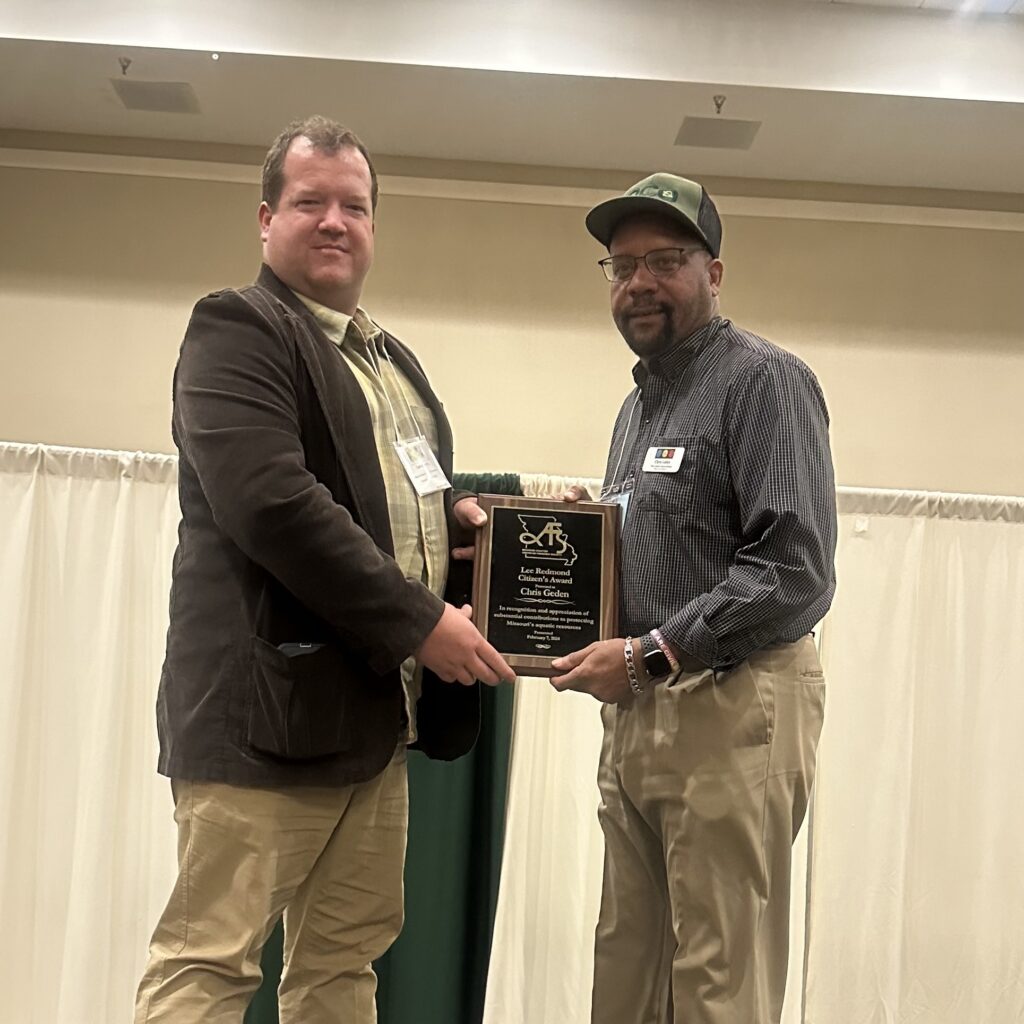
Chris Geden

The River City Foundation Director of Community Engagement, Thrive Outside St. Louis Director

Why is Black leadership in the outdoors important?

I really think representation matters, and it’s important for me to be an active participant in outdoor recreation if I’m going to be an advocate in this space. Also, the relationships that are made with our youth are often stronger as they learn new skills and conquer new challenges.

What brought you to the outdoors?

I grew up in a very rural white community, but I’ve always been involved with the outdoors—fishing, hunting, camping, and paddling. With every youth-serving position that I have worked in, one of the strategies that I used was nature-based programming. The opportunity to introduce youth to the outdoors in a sustainable manner is something that still excites me every single day.

Collective impact involves partners and stakeholders collaborating. What’s your role in Thrive Outside?

I am the Thrive Outside Program Manager and the Director of Community Engagement, so everything I do is based on collaborative relationships. Even more importantly, these are twenty-plus-year relationships with agencies, people, and communities. River City Outdoors seeks to positively impact the outdoor community by removing barriers for communities who are often underserved and not even included in conversations regarding their participation in the outdoors.

What’s your vision for the outdoors?

A totally inclusive environment in which all people are welcomed with open arms, and thoughts and experiences are shared. A total cultural shift on who is at the table as we talk about outdoor recreation.

Jacob Fisher

Outdoor Foundation Development and Program Manager

Why is Black leadership in the outdoors important?

Let me start with these two truths:

  • Being in nature is essential for your physical, mental, and spiritual health.
  • Black folks have been historically excluded from the outdoors (often violently).

Black leadership is important because people from the African Diaspora have always been deeply connected to land. For survival, black people in the USA had to have an intimate connection to nature in order to endure the brutality of enslavement. This ranged from fishing, hunting, gardening, creating herbal medicines, and literally navigating to their freedom through knowledge of the stars and land. Thus, Black leadership merely reflects the truth that black people deserve the opportunity to offer our wisdom, guidance, and stories to the outdoor space.

What brought you to the outdoors?

Growing up in Tallahassee, Florida and Houston, TX,  I was fishing, going to parks, playing tennis, and having family gatherings outdoors. As I began my mindfulness and yoga journey, my appreciation for nature was further ignited.

Prior to the Outdoor Foundation, I worked at an equine therapy and eco-mindfulness farm right outside of Austin, TX. In this space, I began intentionally connecting with the landscape and vastness within and all around you. Building my own capacity to resource myself and cultivate a nourishing and helpful relationship with nature.

I believe the land and all of its inhabitants are facilitators and wise teachers. The wisdom lies in the presence and awareness of the continuous lessons that nature uncovers. Developing a connection to nature has allowed me to move through the world with clarity, peace, and gratitude.

Collective impact involves partners and stakeholders collaborating. What’s your role in Thrive Outside?

I have the honor to be the Development and Program manager for the Outdoor Foundation. Therefore, I have the privilege to directly support our 13 Thrive Communities across the country. I serve as the Foundation’s lead contact for current and future Thrive Outside community partners.

Ultimately, I see my role as collective impact in action, and this ranges from:

  • Lead the planning and execution of National Thrive Outside Days across all Thrive Outside Communities.
  • Create, plan, and lead all efforts regarding the In-Person Convening for Thrive Communities.
  • Facilitate and support the Outdoor Foundation’s Monthly Thrive Network meetings.
  • Lead the planning and implementation of Quarterly Thrive Network Convening.
  • Access and evaluate organizations, entities, and individuals that engage with Thrive Outside communities.

What’s your vision for the outdoors?

My vision is the integration of nature into everyone’s day to day life. Engaging with the benefits, joy, and liberation of nature is essential for being a human. Ideally, the outdoors will be a space that connects each of us to our internal world and to every being around us. Nature has the powerful ability to connect our inner change to social transformation. Hopefully, we can utilize the grounding and clarifying qualities of the outdoors to create a beautiful future where a sustainable and harmonious relationship with nature is actualized!

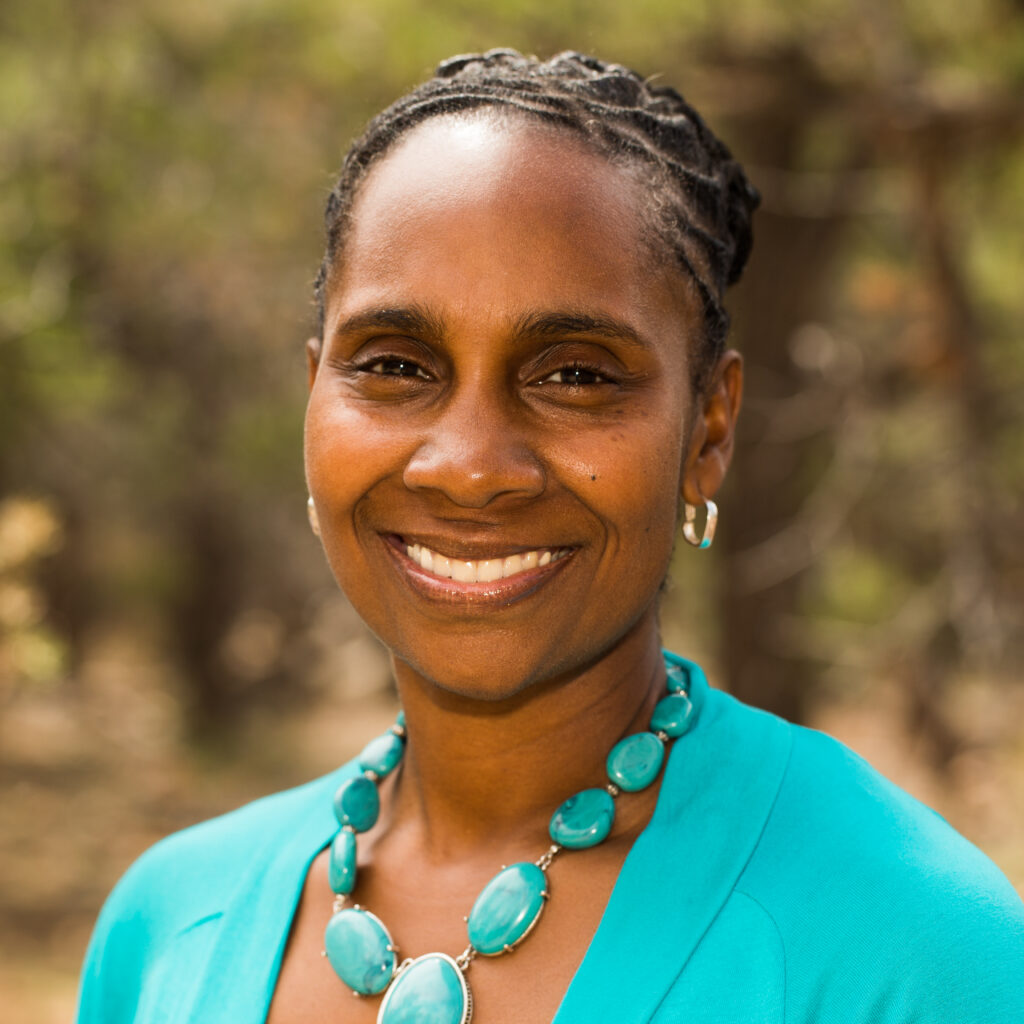
Dr. Na'Taki Osborne Jelks

West Atlanta Watershed Alliance Co-Founder/Executive Director, Atlanta Thrive Outside Director

Why is Black leadership in the outdoor space important?

Black leadership is critical in the outdoor space because time is overdue for Black people to fully connect to the outdoors and to all of the benefits and resources it brings to and provides our communities. Through Black leadership, we can help reclaim this lifeline that belongs to us and that should be positively experienced by all Black children, families, and communities. Especially in the United States, we’ve been disconnected through the legacies of slavery, lynching, and other horrors perpetrated against us in the outdoors. The lands and waters that our people have historically lived off, been stewards of, and possessed vast ecological knowledge about have many times been weaponized against us. To turn that trauma into healing by experiencing the outdoors in all of its beauty, splendor, freedom, opportunities for learning and exploration, and potential to inspire joy and connectedness to a sense of place—it’s our birthright.

What brought you into the outdoor space? 

As a daughter of the South—born in Mississippi and living in Louisiana and Kentucky for parts of my adolescence—I’ve always had a connection to the outdoors. Whether it was spending time running around and playing with cousins on my paternal grandparents’ 95-acre farm in the Mississippi Delta, picking plums outside of my maternal Grandmother’s home in small town Central Mississippi, or even walking on the trail through the woods behind my Grandmother’s house to visit her sister nearby, my relationship with the outdoors has always seemed like a natural one. After those early experiences with family, I later joined Girl Scouts and most enjoyed going to Camp Judy Layne in Eastern Kentucky during summer breaks for tent camping and days filled with sunshine, the beauty of the natural landscape, and freedom in the outdoors. In contrast, I later witnessed Louisiana’s natural paradise being dotted with petrochemical plants and pollution that harmed the environment and human health. As an adult living on the Westside of Atlanta, Georgia amidst both beautiful urban forest spaces and near environmental hazards and stressors, all of my previous experiences have brought me into the outdoors, and my leadership is fueled by a passion to preserve, protect, and restore our natural resources for the well-being of my community and future generations.    

Collective impact involves partners and stakeholders’ collaborating. What’s your role in Thrive and let me know about your organization?

The West Atlanta Watershed Alliance (WAWA) is the backbone organization of Thrive Outside Atlanta. WAWA has been a member of the Thrive Outside Atlanta Network since its formation in 2019, however we started out as one of the environmental education service providers—one of only two Black-led organizations in the group. As the COVID-19 Pandemic began to subside, WAWA took over the leadership reigns of the network from the Trust for Public Land and has been managing, cultivating, and deepening partnerships with youth environmental education and outdoor recreation providers as well as youth-serving organizations to engage youth from economically disadvantaged communities in nature and the outdoors through exploring both the Chattahoochee River and close-to-home Atlanta parks, trails, and greenspaces. For more than two decades, WAWA has pioneered efforts to advance environmental education, community engagement in watershed and greenspace protection, environmental stewardship, and environmental justice in Northwest and Southwest Atlanta neighborhoods. In part through this work, WAWA has been a leader in ensuring that access to nature and meaningful engagement in environmental education, environmental stewardship, and outdoor recreation are not factors of race, income, or geography, and our innovative, place-based, culturally relevant programs have introduced thousands to the creeks, streams, waterfalls, and abundant greenspaces in West Atlanta neighborhoods.  

What is your vision of an ideal outdoor? 

My vision of the ideal outdoors is one that is representative of the rich, diverse heritage and cultures of our country. It’s not exclusive to any one group, and it is accessible to all who will journey to know and experience it.  It is one that honors the original inhabitants of the land as well as those who labored on the land by force or by choice to produce prosperity for the masses (that often didn’t include them). The ideal outdoors is one of unlimited connections and opportunities for kinship, stewardship, teaching and learning, exploration, healing, and joy. It’s a place where everyone can see themselves, where everyone can be themselves, where we all feel welcomed, and where we all are at home.

We all deserve to Thrive Outside

The Outdoor Foundation’s Thrive Outside Initiative is working to create a more inclusive and accessible outdoor experience for all. The initiative awards multi-year, capacity-building grants to diverse communities to build and strengthen networks that provide children and families with repeat and reinforcing experiences in the outdoors. The Thrive Outside Community Initiative helped to connect more than 40,000 youth and families in thirteen communities nationwide to the joy, wonder, and myriad benefits of the outdoors. Learn more about Thrive Outside here. 

New EPA Reporting Rule to Require 12 Years of PFAS Data from Manufacturers and Importers

Snowy ascent

By James Pollack, OIA Clean Chemistry and Materials Coalition Legislative Advisor, Attorney at Marten Law

In October 2023, EPA finalized a rule that will require reporting on PFAS in all articles manufactured or imported into the United States from January 1, 2011 to December 31, 2022. You can view the rule here.

The final rule, adopted under the Toxic Substances Control Act, establishes this one-time reporting requirement. Manufacturers and importers of any articles containing PFAS must investigate and certify to EPA the amount of PFAS that they have manufactured or imported into the United States during the reporting period. The specific content of the report for each year will include the following information:

1). Chemical information such as:

a). Chemical identity of the PFAS in the article (the specific chemical name, if known, or otherwise a generic name or description of the PFAS if the specific chemical name is confidential business information or unknown)

b). Chemical identification number

c). Trade name or common name, if applicable, of the chemical

d). Representative molecular structure for any PFAS not in Class 1 of the Toxics Release Inventory

2). Import production volume of the imported article (in units or weight)

3). Industrial processing and use of the article, if any

4). Consumer and commercial use of the article, if any (e.g., product category, functional use of category, maximum PFAS concentration in product, whether children are intended users)

The above information reflects a more streamlined form available to article importers. Domestic manufacturers have a more detailed reporting obligation.

Who is covered under the new PFAS Reporting Rule?

The PFAS Reporting Rule covers nearly all importers and manufacturers. It only offers a narrow set of exemptions for products like pesticides, food, drugs, cosmetics, medical devices, as well as municipal waste importers. Otherwise, reporting is required.

How hard do you have to work to collect this information?

The due diligence standard for collecting information is “to the extent it is known or reasonable ascertainable.” That includes “all information in a person’s possession or control, plus all information that a reasonable person similarly situated might be expected to possess, control, or know.” Manufacturers and importers may also make reasonable estimates based on other information in their possession.  EPA has issued several guidance documents further elaborating the standard.

What can I do about it?

Build a team with the knowledge and skills necessary to engage in this search. Appoint a team leader who can coordinate the search. Include a cross-section of business functions that may have knowledge of where to find relevant information—that may include product designers, supply chain relationship managers, marketers, and IT department members. Bring in outside expertise, including legal support, to help engage in this record search as well as to support in the documentation of the search. Make a comprehensive search plan, and document the search and conclusions in case that information is needed in the future.

What if my suppliers have the information?

It may be the case that your brand does not know the chemical content of your product, even if you know (or suspect) that the product contains PFAS. This can particularly be true for article importers, or those who work with specialized chemical suppliers that use proprietary chemistries. The PFAS Reporting Rule provides an entirely new process for joint reporting where a reporter can identify a relevant supplier that would be better positioned to provide EPA with information on the chemical content of the relevant product. Depending on the results of your due diligence efforts, joint submission may be the best path forward to provide responsive information to the agency.

Will my reported information be made public?

EPA plans to make portions of the information public so that state and federal agencies may set priorities for regulation and to help consumers avoid specific products. Whether or not EPA makes records public on its own, submissions may become subject to public records requests. EPA expects that the PFAS data it collects could potentially be used by the public, including consumers wishing to know more about the products they purchase, communities with environmental justice concerns, and government agencies to take appropriate steps to reduce potential risk. As a result, your brand may consider whether to submit a confidential business information (CBI) claim to protect submitted information.

What is the timeline for complying with this rule?

Overall, about 18 months. The submission period opens on November 12, 2024, with the general submission deadline on May 8,2025. Certain small manufacturers and importers will receive an additional six months to comply.

How can OIA support me?

We at OIA are committed to supporting members as they engage in this reporting process. OIA will keep its membership up to date on any developments and is looking to develop a guide to help brands understand their reporting obligations. Look out for that guide in the coming months.

Need support keeping up with chemical reporting rules and evolving sustainability legislation? Join OIA’s Clean Chemistry and Materials Coalition to access advice from legislative and chemicals experts along with a community of other outdoor brands, manufacturers, suppliers, and retailers working to eliminate and replace harmful chemicals from their supply chains.

About James Pollack

James Pollack is an attorney at Marten Law based in Seattle, WA, whose practice focuses on consumer product regulatory compliance, emerging contaminants, and environmental review. James leads the firm’s consumer products regulatory practice and helps consumer product manufacturers in a wide array of industries that are working to understand the complicated and shifting regulatory and litigation environments surrounding emerging contaminants. He has extensive knowledge on PFAS regulatory compliance at the federal and state level. James’s clients include textile and apparel manufacturers, outdoor recreational product manufacturers, food product manufacturers, and retailers. He also works with industry associations to update membership on regulatory developments.


Read more from James on PFAS:

About James

PFAS PHASE-OUT: 5 KEY STEPS FOR YOUR OUTDOOR BRAND

Can Orange Juice Claim to be Green?

PFAS in Consumer Products are Targeted by State Regulators and Class Action Plaintiffs

What Is in EPA’s Billion Dollar PFAS Reporting Rule?

California Bans PFAS in Apparel, Textiles, Cosmetics

Washington is Latest State to Ban PFAS in Consumer Products 

Regulation of PFAS in Consumer Products 


Meet the New and Returning OIA Board Members

October 4, 2023

As the outdoor industry’s member-led collective, OIA catalyzes meaningful change in every element of the industry. To set our businesses and industry up for future success, we rely on a clear strategy and value-based collaboration. Our board of directors helps shape OIA’s strategic plan. The individuals on the board, through their seats at the governance table, support the success of every member company across four critically aligned areas of market research, sustainability, government affairs, and inclusive participation. 

This summer, four new and three incumbent members were elected to the OIA Board of Directors by the OIA membership. We are proud to present the new directors and reacquaint you with the returning directors, who comprise a diverse group of leaders that represent the broad interests of OIA’s member companies and who have a depth of industry knowledge, as well as fresh, progressive ideas. 

To our former and current board leaders, OIA members, and fellow outdoor enthusiasts, thank you for your participation in this year’s election and for treading the path with us! 

New Board Members

“I am honored to be entrusted with a seat on the board of OIA. I’m looking forward to collaborating with fellow board members and the organization at large and contributing my experience, passion and dedication to the cause. Through our shared mission of promoting sustainable economic growth and climate positivity, we can create meaningful change in the outdoor industry.”

– Keith Carrato, Gerber Gear Vice President/General Manager

“I never fit in the box that the outdoor industry was confined to. Now I’m brought on to help redefine what the outdoors is, and who it belongs to, and why. 

I’ve never fit in the “box”; because the box was never intended to fit people like me. I’m in this industry, with my family. We are building a staircase to include and elevate; collectively, considerately, and communally.”

– Jahmicah Dawes, Slim Pickins Outfitters Owner and Founder


“I am honored to join the OIA Board of Directors and work alongside an esteemed group of industry leaders. Together, we have the opportunity to shape the future of outdoor inclusion, conservation, and innovation to better serve the industry. I cannot wait to contribute my passion and expertise to this incredible community.”

– Diana Seung, tentree President

“After twenty years in the outdoor industry, I am deeply honored to join the board of directors for Outdoor Industry Association. I look forward to putting in work on many subjects, but my passion lies in DEI and specialty retail. Diversity isn’t just a buzzword; it’s a vital driver of innovation and progress. It must be a priority for our industry to remain relevant.  

Additionally, I firmly believe that the backbone of our industry is the outdoor specialty retailer, and as an association we should be a robust resource for them.   

Together, we can work to ensure that the industry is known and accessible to all, fostering a stronger, more inclusive community that benefits our businesses and the diverse array of consumers who cherish experiences outside.”

– Troy Sicotte, Mountain Hardwear  President and Global General Manager

Returning Board Members

Alison Hill is the CEO of LifeStraw, a global company providing safe water through technological innovation and product design. For the last 14 years, Alison has built the LifeStraw brand through retail, humanitarian water programs, and emergency preparedness and response.    

“I look forward to continued leadership on the OIA Board and working alongside new and remaining board members to ensure our industry thrives in the ever-changing consumer and market landscape.”

– Jennifer McLaren, Altra Brand President & GM of VF NORA Key Accounts

“It’s an honor to continue serving as a leader on the OIA Board of Directors. I look forward to continuing to support OIA in its efforts to build an ecosystem of thriving businesses, people, and planet while increasing the value we deliver to our emerging businesses and other nonprofits.

– Kevin Winkel, Wayward Founder