
Solid Economy, Cautious Consumers: Outdoor Retail Confronts Challenges

Despite slowing inflation and a healthier overall economy, the outdoor retail market continues to face challenges. From shifting consumer behavior to cautious spending habits, there remains significant growth opportunities for outdoor industry businesses as we head into the new year. Read on to get a high-level overview of the trends driving the outdoor economy, as detailed in our recent State of the Outdoor Market Report Winter 2024.  

GDP is up, But OUtdoor Retail Sales REmain Low

The U.S. economy is showing signs of growth, with GDP increasing by 2.8% in Q3, low unemployment at 4.2%, and wages steadily rising. Inflation is under control at 2.6%, and consumer sentiment remains high. Yet, despite these positive economic indicators, the outdoor retail market has seen a 5% dip in sales for the July-September period, totaling $6.2 billion. 

Shifting Consumer Behavior: From Big-Ticket Items to Casual Gear

One notable trend is a shift from high-ticket outdoor gear—such as kayaks and camping equipment—to more casual and affordable products. Consumers are prioritizing items like road running shoes, casual apparel, and insulated cups. These products cater to the growing number of casual outdoor participants who enjoy activities like hiking, biking, or park visits, but don’t require specialized gear. 

Holiday Shopping Outlook: Small Retailers Shine

The holiday shopping season presents a potential bright spot for the outdoor market. Interestingly, many outdoor consumers are turning to small retailers this season. Over half plan to shop at smaller stores, seeking personalized service and expertise. For independent outdoor brands, this trend presents a valuable opportunity. 

Challenges in Outdoor Retail Sales

Despite the positive outlook for the holidays, outdoor product sales in September 2024 were down across the board. The decline affected every major sales channel, including large retailers like Dick’s Sporting Goods and REI, as well as online sales. Categories such as hiking boots, trail running shoes, and outerwear saw sharp decreases in both units sold and revenue. 

Looking Ahead: What’s Next for Outdoor Brands?

While the broader economy remains strong, outdoor retailers face an uphill battle in 2024. The shift toward casual outdoor gear, combined with a more cautious consumer mindset, suggests that sales may remain flat or even dip. For brands to succeed, they’ll need to focus on more affordable products, adapt to the growing number of casual participants, and leverage the trend toward small-business shopping during the holidays. 

Conclusion: A Market in Transition

The outdoor retail market is experiencing a shift, with consumers increasingly opting for casual outdoor gear rather than expensive, specialized equipment. The economic landscape remains positive overall, but inflation and changing consumer behavior are driving a more cautious approach to spending. Outdoor brands that understand and adapt to these trends—by offering more affordable, casual products and tapping into the holiday shopping momentum—will be better positioned to thrive in 2024 and beyond. 

Sustainability in Action: Insights from the Inaugural Catalyst Conference

By Meg Carney

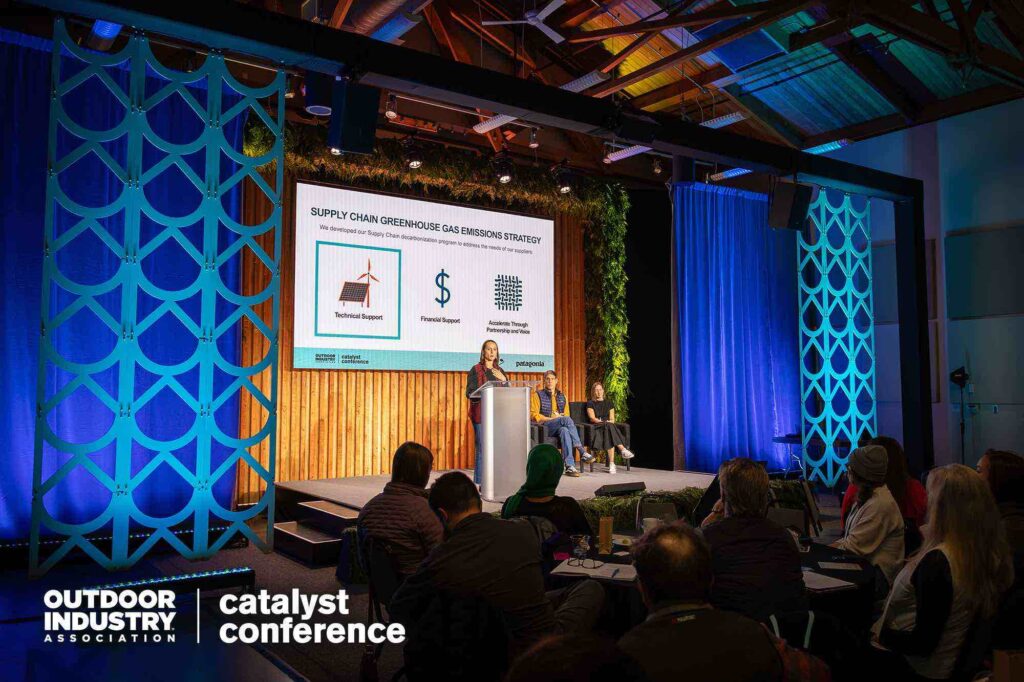
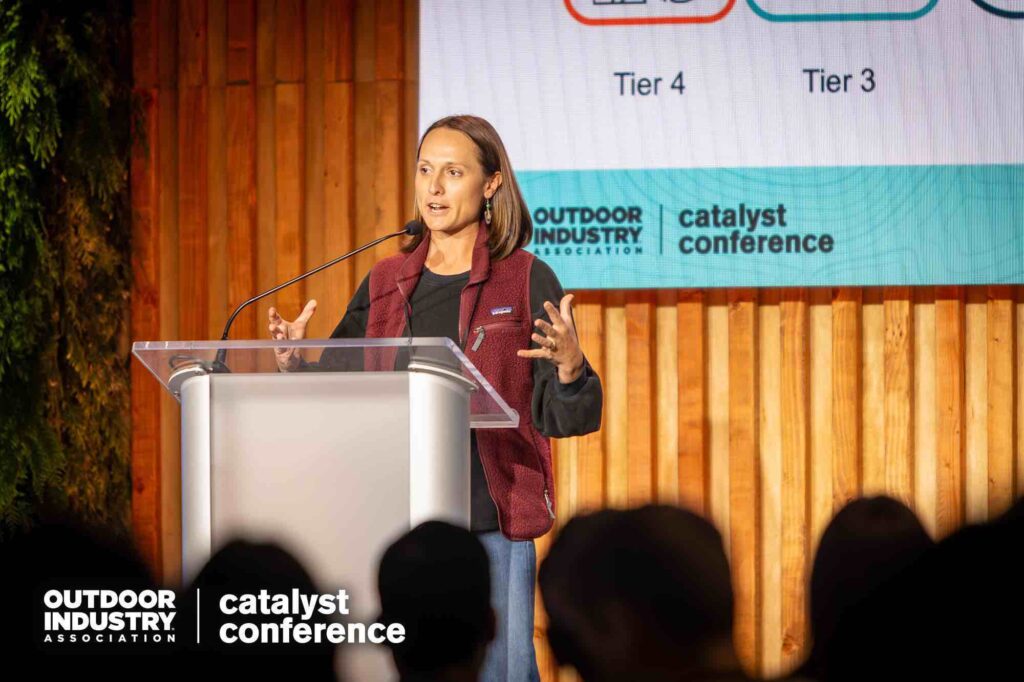
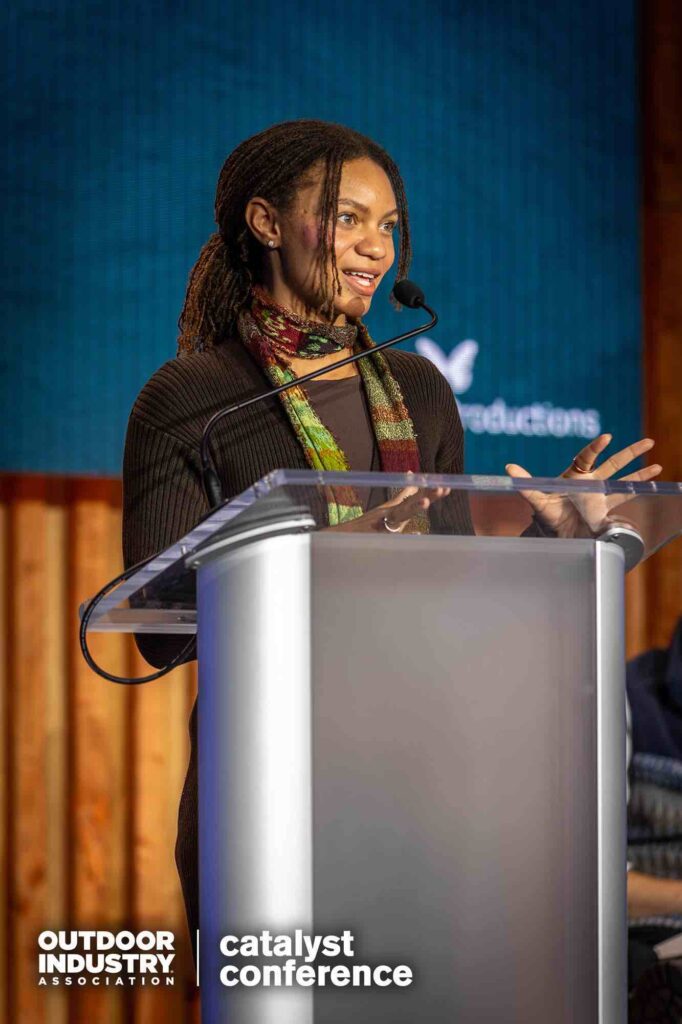
The inaugural Catalyst Conference, hosted by the Outdoor Industry Association (OIA) from November 13-14, united outdoor industry leaders, innovators, and advocates to address sustainability challenges and strengthen their collective impact. Over two days, participants explored strategies to innovate, collaborate, and address pressing environmental issues impacting industry businesses and participants.  

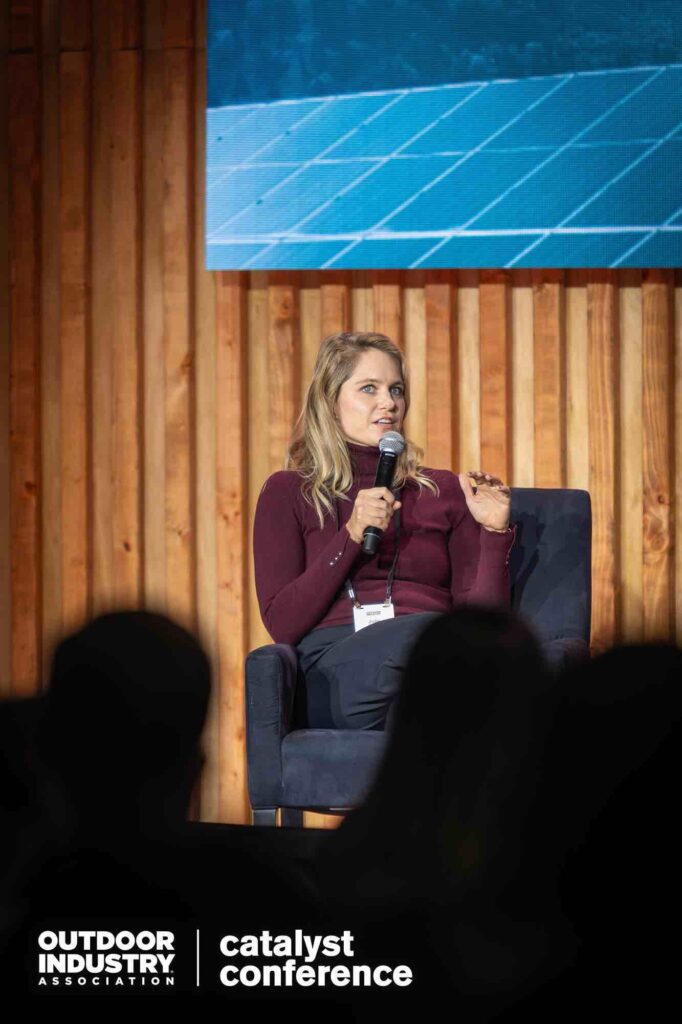
Julie Brown, Director of Sustainable Business Innovation at OIA, opened the event with a powerful call to action: “The outdoor industry is uniquely positioned to lead the charge for sustainable change. And so we must ask ourselves if not us, then who?”  

Within the last five or more years, the outdoor industry has seen a value shift. While we’ve always been an industry loudly championing environmental conservation, we often grappled with the fact that we cannot sell more and reduce our impact at the same time. During the Catalyst Conference, industry leaders from brands like Patagonia, W.L. Gore & Associates, REI, Outdoor Research, and more shared their optimism and ideas as we move into a new generation of product production centered around sustainability and climate action. 

As the outdoor sector navigates shifting political landscapes, tightening regulations, and increasingly eco-conscious consumers, its leaders emphasize one unifying truth: the industry’s strength lies in its ability to innovate, collaborate, and act with integrity.  

Challenges and Opportunities in Sustainability

During the conference, participants tackled conversations regarding timely sustainability challenges. Presentations and panel discussions centered around topics such as climate change, global supply chain complexities, and evolving consumer demands.  

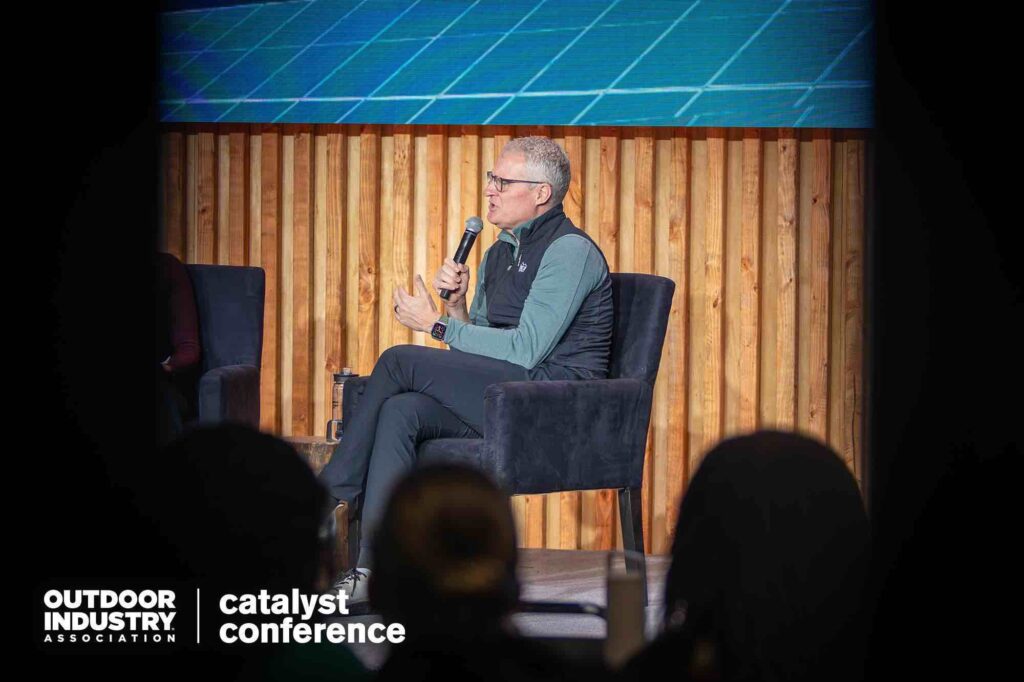
Eric Artz, CEO of REI Co-op, highlighted the need for resilience and adaptability. “There’s always opportunity, but it requires us to think differently and engage differently than we have in the past,” he stated.  

Even now, as an industry, thinking differently and engaging with the environment needs to look different. One clear issue we all face is the existential threat of the climate crisis, but while sustainability leaders push for new innovations, financial backing and the business of profit don’t always support or at the very least, push back, providing consistent challenges to our progress as an industry. 

Artz also pointed to the growing importance of state and local action, citing the success of recent ballot measures addressing public lands and climate policies. “Given the choice and education, consumers want to make the better choice,” he added, emphasizing the power of informed decision-making.  

Consumers now more than ever expect more from companies, and it has become increasingly obvious that consumers in the outdoor sector look to brands to be transparent and truthful. Not only that, but to take accountability for their shortcomings and the impact they have, whether positive or negative. 

Panelists like Jacqueline Levy of OIA encouraged businesses to engage policymakers at all levels, underscoring the need for outdoor companies to serve as advocates and connectors to drive systemic change.  

Industry Innovations and Collaboration

Throughout the Catalyst Conference, speakers showcased their individual and collective advancement in pushing the boundaries of sustainability. Artz described REI’s use of bioengineered yarns as an example of progress. “One of the most innovative things we do is open source and collaborate on everything,” he said, reinforcing the importance of collective effort.  

Collaboration was a primary theme of conference panel discussions and is something the outdoor industry has done well for some time. Brands like REI have immense power and influence within the industry as a whole, and within their collaborative pursuits can create frameworks for others to follow. 

Kelly Hughes of Ruffwear detailed how product redesigns are reducing emissions. By leveraging tools like the Higg Index, Ruffwear identifies opportunities to optimize material usage, streamline production, and ensure that new designs outperform older ones in sustainability metrics.  

Efforts like redesigns are an essential part of reducing our impact and carbon footprint, but is it enough? At the end of the day, all of these brands have one common goal: to sell more products. The actual production and energy consumption required to do this are immense and often reflect the largest percentage of their carbon emissions. 

To combat this impact, Ryan Kelly of W.L. Gore & Associates highlighted the company’s renewable energy projects, such as “Kentucky Fried Solar,” which are transforming manufacturing operations. Meanwhile, Stanley demonstrated how collaborative efforts through OIA’s drinkware initiative are helping suppliers decarbonize while driving industry-wide change.  

All of these initiatives are a step in the right direction, but are part of a much-needed bigger strategy that reflects a broader trend: sustainability can no longer be an optional add-on but must be a core business principle. As Ashley LaPorte of Burton Snowboards explained, “We can’t be profitable on a failing planet.”  

Leadership Perspectives

For many of these initiatives to be successful, sustainability must be central to organizational strategies. 

Artz advocated for companies to tie their efforts to measurable business outcomes. “Ensure that your purpose is centered on your principles. Sustainability can’t just be a feel-good initiative; [there] has to be a business case,” he emphasized.  

Something that stuck with me the most from all of the discussions was the idea that everyone on the sustainability team should have a friend in the finance department. Decarbonization is a huge challenge that ours and many industries struggle to achieve, and a big part of the delay is the lack of funding to make these changes. If, as an industry, we are claiming to lead the charge in sustainability, we need to, in a sense, put our money where our mouth is, and invest in carbon reduction efforts more aggressively. 

With issues as large as climate change, it can be hard to put into perspective until climate disasters meet us at our front doors. In many instances, those impacted the most by climate change and environmental harm have a socioeconomic disadvantage and are overlooked throughout the product development process. 

Leah Thomas, founder of Intersectional Environmentalist, introduced the “curb cut theory” to illustrate how designing solutions for society’s most vulnerable benefits the collective in the long run. “Start with environmental justice because it ends up benefiting everyone,” she explained, encouraging companies to align their efforts with community needs.  

As an industry, we can and should also support employees most affected by climate impacts, according to LaPorte, who suggests resilience funds and stronger community-focused initiatives. “Employers are trusted more than the government to do the right thing,” she noted, referencing the Edelman Trust Barometer to highlight businesses’ unique position of influence.

Building a Sustainable Future

The path forward requires systemic change and coalition building, a theme many speakers echo. Levy reminded attendees of the industry’s significant economic influence. “This is a $1.1 trillion bipartisan powerhouse that can get things done,” she said. This sentiment highlights how companies can use their collective strength to drive policy change.  

Ashley LaPorte of Burton Snowboards and Troy Sicotte of Mountain Hardware called for businesses to align sustainability goals with financial targets. They emphasized the importance of anticipating challenges and preparing for stricter regulations on emissions, toxic substances, and materials even before regulations push them to do so.  

If the rapid phase-out of PFAS taught the outdoor industry anything, it should be to act before being regulated to do so. We need to follow the science and be able to substantiate claims not only for marketing purposes but also for the integrity of our industry and the future of the planet. 

Some speakers explored the importance of proactive approaches to regulatory compliance. Alex Lauver of Outdoor Research noted, “Stop being so reactive. There’s going to be more restrictions, so how can we prepare?” This shows the urgency for the industry to stay ahead of evolving requirements while maintaining its commitment to sustainability.  

Community and Consumer Engagement

Consumers drive the market, and throughout the conference, many speakers highlighted the importance of consumers and communities in driving change. Artz reiterated the need for transparency in communicating with customers: “Every time we put choice in front of informed customers, they will make the better choice with us.”  

But we should not rely solely on customers to make those decisions for us. Each brand has a distinct responsibility to learn and then inform to become better advocates and examples for their customers. If consumers are looking to brands as an authority on topics such as sustainability and climate change, it should not be them holding us accountable, but us setting a higher precedent and expectation of their consumption. 

Our supply chain impacts are one way to do this, but another is to be more civically involved. Levy detailed strategies for engaging policymakers, including fly-ins, congressional briefings, and public education campaigns. These efforts build trust and amplify the industry’s voice in legislative spaces.  

While we have a long way to go to meet our climate goals, a sense of optimism prevails as we reflect on the first and hopefully not the last Catalyst Conference. The panels, speakers, and discussions seemed to inspire participants to lead the outdoor industry—and the planet—toward a more sustainable future. 

Still, this Catalyst Conference left one lingering thought in the closing remarks from Kevin Myette of Bluesign for industry leaders and advocates: 

‘We get to choose where we are on this trail. Are there any crusaders amongst you? Are we at an end, or a beginning’? I’ll be curious to see how we can leverage collective equity and transform obstacles into opportunities, to ensure a thriving future for people, the planet, and the products that connect us.


Meg Carney is an outdoor and environmental journalist, author, executive producer, and podcast host specializing in outdoor product coverage, supply chain research, and investigative environmental and conservation journalism. 

People, Product, and Planet: Celebrating Catalyst Conference 2024

We’re still buzzing from the energy of OIA’s sold-out, inaugural Catalyst Conference that took place in Seattle, Washington on November 13th and 14th. Catalyst Conference convened members of the outdoor industry around a common theme: sustainability. The sessions explored a broad range of topics, including circularity, decarbonization, chemical compliance, and supply chain resilience, and featured speakers from various sections of the outdoor industry.

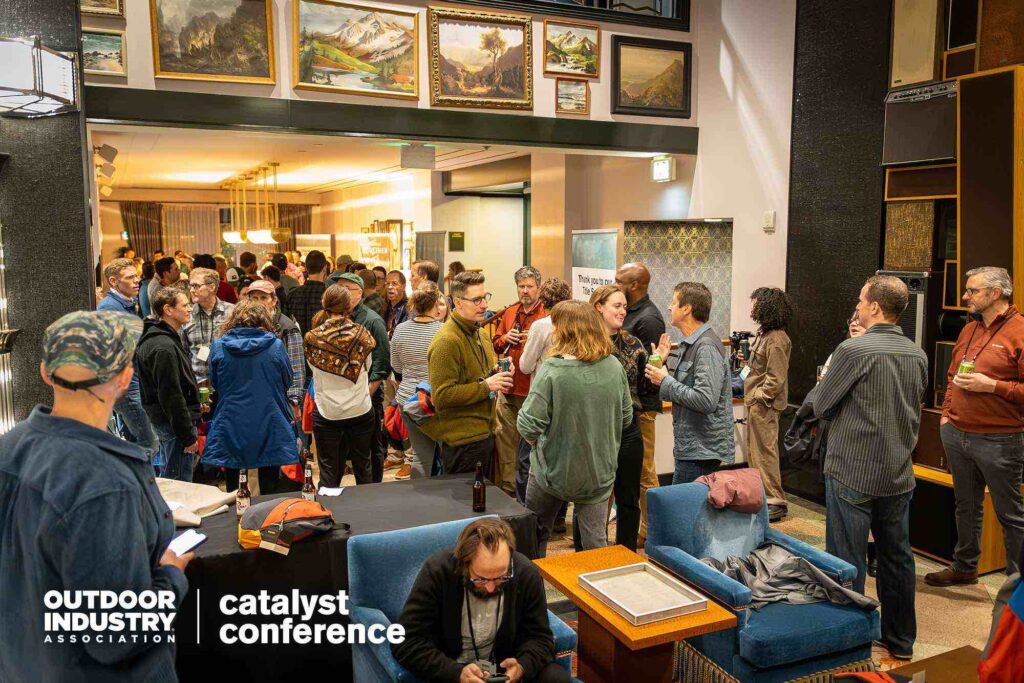
The Catalyst Conference brought the industry together at a time when community was more important than ever. Attendees shared that the event fostered a strong sense of camaraderie while delivering the expertise needed to tackle the industry’s toughest challenges. In addition to an impressive lineup of speakers, Catalyst offered opportunities to connect with peers through brand-led activities and
immersive experiences. 

Highlights included exploring innovative products with a textile microscope, offsetting carbon emissions from travel, and renewable energy demos—all tied together with an expedition log for a chance to win prizes. The energy carried into the evening at the industry party, where attendees celebrated collective action and reaffirmed their commitment to sustainability progress. What was a sense of fear of the unknown path that lays ahead for sustainability quickly transformed into an atmosphere of hope and determination by the end of the day.

Read on for a recap of the event and explore select session recordings here.

On Opening Note of Inspiration from OIA's Director of Sustainable Business Innovation, Julie Brown

“Good morning, everyone, and welcome to the inaugural Catalyst Conference! It’s an honor to be here with all of you as we gather to confront some of the industry’s most urgent issues, and discuss solutions for people, product, and planet. Now, I realize that for many people in this room, the last week has been difficult. The election results have left many in the fields of sustainability or DEI feeling uncertain. I’m glad we’re here together because at times like these we need to remind ourselves and each other why we do this work—and why we cannot afford to slow down.

When I’m feeling like our sustainability goals are daunting, there are a few things that give me motivation, and I want to share them with you:

First, Collective Action: OIA’s Climate Action Corps has 354 professionals from 85 companies actively taking bold, collective action against climate change by reducing and removing emissions from their value chains. OIA’s Clean Chemistry and Materials Coalition has 320 individuals from 97 companies who are blazing the trail in the innovation and adoption of safer chemicals. OIA’s philanthropic arm, the Outdoor Foundation, has 13 communities (including here in Seattle) reaching 95,000 youth nationwide to ensure that everyone can thrive outside. All this effort leads to real, measurable benefits on a global scale.

Second, Rising Standards and Expectations: Sustainability is no longer optional. European and state regulations are tightening, forcing businesses to adapt—or risk being left behind. From PFAS laws to new waste and emissions regulations, the pressure is mounting. But here’s the thing: these changes aren’t just about compliance; they represent a powerful opportunity to innovate, improve, and stay ahead of the curve. Consumers are also demanding more. They expect their favorite brands to be responsible, fair, and accountable. The playing field for sustainability has fundamentally shifted, and the outdoor industry is in a prime position to rise to the challenge.   

Third, we use our outside voices to advocate: Let’s not forget that the outdoor industry is a $1.1 Trillion bipartisan powerhouse – it can get things done. OIA will continue to work across the aisle, bringing diverse voices to advance policy solutions that protect lands, ensure equitable access to the outdoors, and promote sustainable trade.   

Finally, Community: This industry is collaborative. We share challenges, brainstorm solutions, and support one another. Let’s face it, the election was a setback for climate action, and thus for the future of the safety of the outdoors, in a time when our industry really doesn’t need more setbacks. But you — the people in this room — understand these stakes better than anyone. And you keep showing up. You keep working with urgency and purpose to move toward a future we believe is possible. Your talent, creativity, and vision are vital in driving the sustainability successes we need. You are the catalysts for change, and there’s no place I’d rather be at this time than with this group of intelligent and inspiring professionals to move forward, together.”  

Day One Session Takeaways

After Julie Brown’s inspiring introduction to kick-off the day, she sat down with REI CEO Eric Artz to discuss the outdoor industry’s responsibility to lead in sustainability. Artz shared that despite whatever administration is in the White House, the outdoor industry has managed to prevail and make progress. 

We thrive when conditions are extreme, and we are motivated by the unknown. Artz highlighted the multitude of climate and public lands initiatives on the ballot across the country that passed this election cycle – showing that consumers are continuing to choose the planet.

Artz said: “Let’s focus on the millions that we serve, that are invested in the things we care about. How do we leverage that community more? How do we lean into it?”

Artz’s question was undoubtedly tackled throughout the rest of the Catalyst Conference as sustainability leaders in the industry discussed the most pressing issues of today.

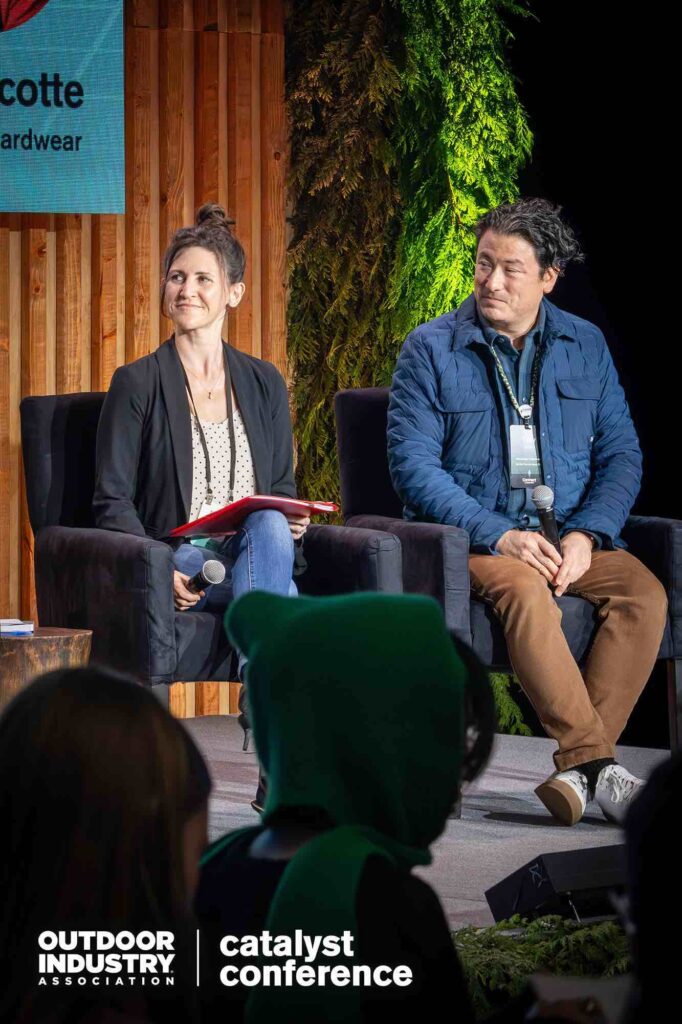
Leah Thomas, Founder of Intersectional Environmentalist and environmental justice advocate, sat down with Ashley LaPorte (VP of Purpose & Impact, Burton), Jaclyn Levy (Senior Director of Government Affairs, OIA), and Troy Sicotte (President and Global GM, Mountain Hardwear) to discuss how sustainability practitioners can influence leadership in their organization.

LaPorte encouraged sustainability practitioners to build coalitions across their company – particularly with the finance team.

Sicotte pointed to consistently focusing on the consumer: “When people buy a Columbia stock, they know there’s a thread of consistency of the Columbia brands doing the right thing for the people and the planet.” LaPorte also mentioned the direct climate impacts on her staff. Hailing from Vermont, the extreme flooding Vermont has experienced in the past two years has severely impacted Burton’s staff’s ability to be productive.

Sicotte pointed to consistently focusing on the consumer: “When people buy a Columbia stock, they know there’s a thread of consistency of the Columbia brands doing the right thing for the people and the planet.” LaPorte also mentioned the direct climate impacts on her staff. Hailing from Vermont, the extreme flooding Vermont has experienced in the past two years has severely impacted Burton’s staff’s ability
to be productive.

“We will not be able to run a profitable business on a failing planet, and let’s make that really specific to our headquarters, in Burlington with 500 people, where twice in the past two years now we have lost serious productivity from folks because we are experiencing the impact of that crisis now.”

Moving on from a focus on leadership, the next panel highlighted how W.L. Gore, Ruffwear, Stanley 1913, and Patagonia are reducing their emissions. Kelly Hughes highlighted how at Ruffwear, they are focusing on reducing their scope 3 footprint through design, with their new designs beating the Higg Product Module LCIA score of the old designs in the following categories: global warming potential, eutrophication, water scarcity, fossil fuel depletion, and chemistry impacts.

Ryan Kelley from W.L. Gore shared that they have been able to achieve a 50% reduction in their GHG emissions to date, and highlighted two actions W.L. Gore has taken to reduce scope 1 emissions:

(1) By installing a heat pump in their facility in Shenzhen, China, the facility was able to reduce the site’s overall natural gas consumption by 31%; and

(2) by installing electric steam generation for their DWR line in Putzbrunn, Germany, they were able to decrease the site’s overall natural gas consumption by 20%.

Emily Cichy from Stanley 1913 shared the roadmap they followed to reduce scope 3 emissions, which entailed: measuring monthly data, setting goals and targets with their suppliers, creating reduction plans with their suppliers, and incorporating sustainability metrics into their supplier scorecards. Cichy also highlighted the work with the OIA Drinkware CoLab.

Kim Drenner from Patagonia shared how they are funding industry-wide studies to assess how suppliers can best reduce their emissions. They funded a number of electrification feasibility studies at suppliers in Taiwan, and determined that Electrified Thermal Energy Storage (ETES) has vast potential to achieve largescale decarbonization, and be a “drop-in” replacement for traditional boilers.

After the session on collective climate action, attendees had the option to choose between breakout sessions focused on circularity or attending a workshop on tackling organizational emissions. A highlight from the circularity panel included a robust discussion around “business as usual,” and changing the way the industry
creates and sells products to decouple production and profit. The less new product we produce – the less emissions we produce as an industry.

In the climate leadership workshop, members joined a facilitated discussion with industry peers about a specific emissions reduction topic, such as emissions measurement, target setting, logistics, carbon removal, etc. These discussions facilitated learning and collaboration amongst the participants, and attendees came away with next steps for the industry in the topic of their choice.

During the next pair of breakout sessions, attendees had the opportunity to choose between a session focused on building supply chain resilience, or a chemical compliance workshop. A theme that emerged from the supply chain resilience panel is that as the world warms, production is only going to become more interrupted by extreme heat and weather. Simultaneously, more energy will be needed in the supply chain to cool manufacturing facilities. Jason Judd, a professor at the Cornell School of Industrial and Labor Relations, implored the attendees to coalesce around enforceable working standards for supply chain workers that include wet bulb temperatures.

In the chemical compliance session, members had the opportunity to discuss shared challenges and key learnings of from PFAS phase-out in recent years. The challenge was: “Can OIA members agree on the next three chemical families to phase out before regulation?”

The last full-length session of the day centered around sustainability claims, and how to navigate today’s regulatory landscape. James Pollack, attorney at Marten Law, overviewed the legal concepts and regulations that apply to most of the outdoor industry, including FTC’s Green Guides, recyclability claims, “free of” claims, and carbon related claims.

Jason Parkin, Founder and President of Compose[d] talked about the benefits of sustainability marketing, and shared that education is paramount to connecting with your consumers on sustainability. Parkin also suggested breaking down sustainability reports into digestible, bite-sized pieces that can be spread out into a year-long content marketing strategy.

Leah Thomas, Founder of the Intersectional Environmentalist, encouraged brands to get involved at the local, grassroots level when engaging with environmental justice, to create reciprocal solutions in your community.

The programming of the day concluded with an industry address from Norah Stowell (Americas Regional Commercial Leader, W. L. Gore), who championed the industry’s progress in climate and chemistry postpandemic, and Kevin Myette (Director Global Brand Services, bluesign technologies ag), who shared the genesis of sustainability in the outdoor industry.

Myette shared: “What I do know is what got us here is certainly not going to get us where we ultimately need to be. I suggest we must also consider collaboration on scales we’ve never even imagined. It’s easy to get down by all the negativity that surrounds us.

Especially when business becomes so hard. However, we get to choose where we are on this trail. Are there any crusaders amongst you? Are we at an end, or a beginning?”

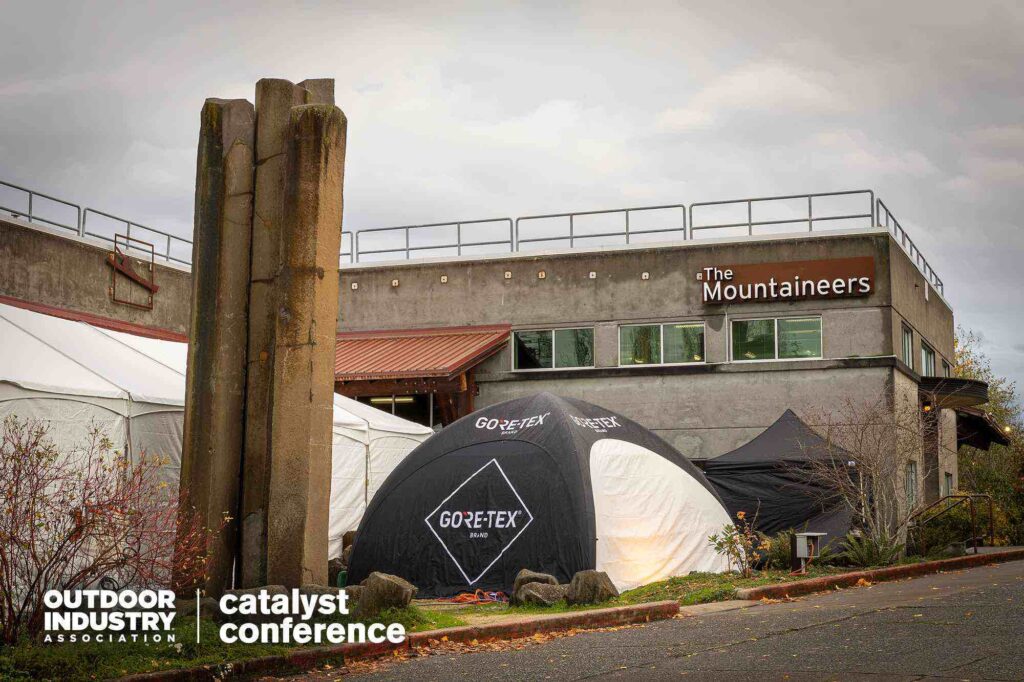
Attendees concluded the day participating in sponsor-led activations, including Title Sponsor GORE-TEX’s iconic “Rain Room” adventure, Worldly’s Product Impact Calculator, Community Gearbox’s new app, Patch’s carbon credit projects, Change Climate Project’s The Climate Label certification simulation, and Sol System’s renewable energy demos.

Day Two Session Takeaways

Day 2 of the Catalyst Conference was dedicated to working group meetings, exclusively for OIA members. The day began with a meeting for members of OIA’s three advisory councils (trade, sustainability, and recreation). All other attendees who are not members of OIA’s three advisory councils participated in networking and workshop tables focused on a specific sustainability topic. OIA’s advisory councils discussed 2025 policy priorities for the organization, with a specific focus on the intersection of trade and sustainability.

Register for OIA’s webinar on December 5th that will overview OIA’s policy priorities and the 2025 outlook for the outdoor industry here.

After the morning sessions, the entire Day 2 group reconvened, and OIA Sustainability Manager Breana Nehls overviewed collaboration at OIA, and each OIA Sustainability Task Force leader gave an overview of their task force, its progress, and its outlook for 2025. To learn more about the current OIA Sustainability Task Forces, click here.

Attendees then got together in groups, and workshopped ideas for new sustainability task forces to launch in 2025. The top ideas were:

• Traceability
• Toxic Chemicals and Solvents
• Design for Sustainability
• Funding Decarbonization
• Textile-to-Textile Recycling
• Durability Standards and Measurement
• Humans/Fair Labor
• Green Claims Guidance
• Clean Heat Installation

Attendees then regrouped according to the top idea that they were most interested in, and took time to brainstorm as a group what the objective and time frame for that topic’s task force would look like.

One person from each group then reported out to the larger group on their idea for their respective task force. The day ended with next steps: OIA will assess the task force proposals, and select a limited number to launch in 2025. Throughout Day 2, attendees were able to dive deeper into sustainability topics that interested them with their industry peers. 

The day 2 activities fostered deep collaboration amongst OIA members, and simultaneously enabled OIA members to give direct input on how OIA will support them with sustainability in the future.

The OIA Team celebrates the inaugural Catalyst Conference as a tremendous success. OIA members were able to gather in person (many for the first time since the pandemic), share ideas, learn from one another, and connect on a deep level. Old friends were able to reunite, and new friendships were formed across generations. In a time of great uncertainty for the future of climate and sustainability, 200 outdoor and sustainability professionals showed up, and planned for a more sustainable future. We look forward to reconvening next year!

Get 2025 event updates

Stay in the loop! Sign up to get updates on the 2025 Catalyst Conference dates and location, plus virtual opportunities to connect and engage.

Thank You to Our Title Sponsor

Catalyst Conference Supporting Sponsors

Yeti logo
The North Face logo
Worldly logo
patch logo
solsystemslogo
ChangeClimateProject-Logo-Horizontal-Short-Blk-1920

New California and Canada Sustainability Regulations: Key Impacts for Outdoor Brands

In a significant step towards enhancing sustainability and consumer safety, California has recently enacted two pivotal bills that will reshape compliance for manufacturers and retailers. The Responsible Textile Recovery Act of 2024 (SB 707) and the Household Product Safety: Toxic Substances: Testing and Enforcement (AB 347). Concurrently, Canada is implementing a new PFAS reporting rule, requiring importers to disclose specific per- and polyfluoroalkyl substances. These regulations will require immediate attention from outdoor industry brands and manufacturers. Our Clean Chemistry and Materials Coalition is here to support members with guidance and collaboration to ensure compliance and sustainable progress.

Two sustainability bills signed into law in California:

  • The Responsible Textile Recovery Act of 2024 (SB 707)
    • What is it? This law adopts a stewardship program for textiles, requiring producers to fund, design, and implement a program via a producer responsibility organization (PRO) for collecting, sorting, and recycling textile articles.
    • How does this impact outdoor brands? If you sell textile products in the State of California, you will be subject to this rule, which is slated to go into effect on January 1, 2030.
  • Household Product Safety: Toxic Substances: Testing and Enforcement (AB 347)
    • What is it? This law requires covered manufacturers to register with the Department of Toxic Substances control, pay a registration fee, and provide a statement of compliance.
    • How does this impact outdoor brands? If you produce textile articles, juvenile products, or food packaging products, you will be subject to this rule, which is slated to go into effect on July 1, 2029. 

New PFAS Reporting Rule in Canada:

  • What is it? The Notice with respect to certain per- and polyfluoroalkyl substances (PFAS) creates reporting requirements covering 312 PFAS when manufactured, imported, or used above certain thresholds.
  • How does this impact outdoor brands? If you are the importer of record of any covered product under this notice, you must submit your report to Environment and Climate Change Canada (ECCC) by January 29, 2025.

Looking for expert guidance on how to ensure your brand is meeting new and upcoming sustainability requirements? OIA’s Clean Chemistry and Materials Coalition provides members with a scalable action plan for eliminating and replacing harmful chemicals and materials, delivering supply chain transparency, recycling and emission disclosures and more. Contact our sustainability team to learn more sustainability@outdoorindustry.org

Helly Hansen, Columbia Sportswear, and L.L. Bean Collaborate to Reduce Supply Chain Emissions and Protect the Planet

These outdoor brands came together, in partnership with their suppliers, to reduce emissions across the outdoor industry value chain.

To reach a more sustainable future, we must take bold, collective action against climate change. Helly Hansen, Columbia Sportswear, and L.L. Bean came together through  Outdoor Industry Association’s (OIA) Carbon Leadership Project CoLab to cut carbon emissions across the industry’s supply chain. This collaboration, supported by the Apparel Impact Institute (Aii), focused on jointly reducing emissions across shared member supply chains. The OIA spearheaded the project and identified common suppliers among members, while Aii provided the framework of the Carbon Leadership Project to drive emission reduction efforts. 

“The Carbon Leadership Project guided our manufacturing partners in initiating their decarbonization journey.  Brand peers co-nominated suppliers to participate in the project, maximizing resources and driving momentum in carbon reduction.  Furthermore, the action plans were customized for participants based on their climate target maturity.  As long as the risk of climate change is not mitigated, we will continue to advocate for the Carbon Leadership Project” Ian Lee, Sustainable Manufacturing Program Manager at Columbia Sportswear. 

Aii’s Carbon Leadership Project framework assists suppliers in measuring GHG emissions at the facility level, setting targets, and effectively reducing GHG emissions. This program not only aids members in achieving their climate objectives but also aligns with OIA’s mission to lead the charge in sustainable business innovation so that all people can thrive outside, today, and in future generations. Learn more about the Carbon Leadership Project here. 

Bryant LaPres, senior director of industry engagement at Apparel Impact Institute, adds “Through our work with the OIA, we demonstrated the value of collaboration between brands and suppliers. The OIA played a critical role in bringing this work from concept to action. Their member brands played an equally critical role, emphasizing alliance with shared suppliers rather than going alone. We are excited to move into implementation activities to achieve direct emissions reductions and look forward to the results”. 

The primary goals of the Carbon Leadership Project CoLab were to support shared suppliers across the outdoor industry in measuring their emissions and setting carbon reduction targets. Helly Hansen, Columbia Sportswear, and L.L. Bean nominated two shared suppliers to participate in the CoLab. OIA’s Impact CoLabs are collaborative, pre-competitive emissions reduction initiatives led by OIA and service providers. These initiatives help members meet their sustainability goals more efficiently and cost-effectively by working together. 

Carbon Leadership Project CoLab Steps + Impact

Launched in 2022, the Carbon Leadership Project aimed to work with shared suppliers on setting science-aligned reduction targets and creating reduction action plans to achieve their targets. 
 
CoLab Milestones 

1. Supplier nomination and overlap assessment: Members submitted facilities of interest, OIA completed an overlap mapping exercise to seek shared suppliers to maximize impact  

2. Carbon tech assessment: Aii and their service provider partner, RESET Carbon, completed benchmarking for the nominated facilities to identify carbon saving potential and define next steps  

3. Carbon Target Setting: RESET Carbon collaborated with suppliers to identify their carbon reduction potential and set reduction targets  

4. Reduction Action Plan: A carbon reduction plan tailored to each facility was created 

5. Brand engagement with suppliers to implement reduction action plan (in progress)  

The Carbon Leadership Project CoLab supported facilities in completing a carbon tech assessments to benchmark their emissions and set reduction targets.  The final product was a tailored carbon reduction plan for each facility to reach its target.  Member brands are engaging with their suppliers to implement these reduction action plans. 

“The Carbon Leadership Project CoLab provided organizations with skills and tools to measure, monitor and report on their partnered facility’s carbon emissions. It allowed the organization to establish a clear baseline and achievable targets”, Grace Wong, Senior Sustainability Specialist Traceability, Helly Hansen. 

The decarbonization opportunities identified in the reduction action plans were prioritized based on their total emissions reduction potential and expected implementation timeline. The roadmaps were delivered via an Excel-based tool, where suppliers could input their intent and prioritization for implementing solutions. The tool also provided estimates of costs, return on investment, and tailored considerations to address before implementation to reduce risks. 

Pre-Competitive Collaboration: OIA’s Impact CoLabs  

Climate change is one of, if not the most, crucial issues the outdoor industry faces today. If there is not a thriving environment to recreate in, outdoor businesses do not have a future. Collaboration is necessary to significantly reduce climate impacts in the outdoor industry; the problem is too large for individual companies to solve on their own. Companies must work together to decarbonize the global supply chain, and OIA provides an avenue with a clear path to do just that. OIA’s Impact CoLabs are collaborative, pre-competitive, emissions reduction initiatives led by OIA and service providers to help members meet their sustainability goals in less time and with less cost by working together.  Through OIA’s six Impact CoLabs, 19 OIA members have invested in collaborative emissions reduction projects across their supply chains – working collectively to maximize impact and protect our planet.

“The Carbon Leadership Project CoLab empowered members to take bold, collective climate action. OIA understands that tackling climate goals and reducing emissions can be daunting for individual companies, but we believe in the power of working together. By uniting to create shared solutions, we can accelerate progress and achieve significant emissions reductions. Through initiatives like the CLP CoLab, OIA supports members in reducing emissions across their supply chains”, said Breana Nehls, OIA Sustainable Business Innovation Manager. “Together, we are catalysts for sustainable growth.” 

 Learn more about OIA’s CoLabs and how you can catalyze meaningful change with us at outdoorindustry.org/sustainablebusiness.


MiiR, Stanley, and YETI’s Bold Collaboration to Reduce Supply Chain Emissions

Three drinkware brands, one mission: protect the planet

Making a significant move to create a more sustainable future, three drinkware brands came together in a first-of-its-kind effort to reduce carbon emissions across the drinkware supply chain. Deemed the Drinkware CoLab, ​ MiiR, Stanley, and YETI, facilitated by the Outdoor Industry Association (OIA), spearheaded this collaboration to reduce the environmental impact of manufacturing. The brands invited four shared third-party suppliers to participate in the project and all parties provided financial and human resources to support the project. The scoped work of the CoLab launched in 2022 and was completed in early 2024.   

The primary goals of the project were to move industry suppliers to 100% renewable electricity and develop facility emissions reduction plans. The project supports OIA’s goal to take bold, collective action against climate change by reducing and removing greenhouse gas emissions across the outdoor industry, carving a new, bold path for others to follow.​ MiiR, Stanley, and YETI participated in the Drinkware CoLab through OIA’s Climate Action Corps, the outdoor industry’s collaborative model to lead on climate action.    

“It was a remarkable experience to work with YETI and Stanley to identify key strategies in reducing our collective footprints. The OIA team did a phenomenal job leading us through this process and we’re excited to get to work on the things we learned. Our hope is that this collaboration inspires other groups in the outdoor space to set aside competition for the sake of sustainability,” said Josh Stinger, Vice President of Supply Chain & Sustainability at MiiR. 

Reduction Roadmaps: Drinkware CoLab Impact

MiiR, Stanley, and YETI collectively nominated four factories and each of the facilities received management training, detailed greenhouse gas measurements of their facility, assistance in setting science-aligned emissions reduction targets, and a customized plan outlining steps to reduce their emissions.  The group identified a global service provider, Environmental Resources Management (ERM), to lead the assessment with each supplier.   

The emissions reduction action plans, or “roadmaps,” provide detailed information on sustainable actions that will improve energy management and reduce emissions. All opportunities were assessed and prioritized based on environmental impact and cost implications for each facility.   

“We know that deep engagement with our suppliers and other stakeholders is critical to ensure that our collective emissions reduction goals are in reach, said Emily Cichy, Senior Director, Corporate Responsibility at Stanley. By collaborating with Outdoor Industry Association, our suppliers, and these esteemed brands, we can help create a more sustainable world.” 

The Trail Ahead

MiiR, Stanley, and YETI are partnering with all four suppliers to ensure these roadmaps are implemented, and are planning to touch base with each other quarterly through OIA to share progress. They are also considering replicating the CoLab process with other strategic suppliers in their networks.  Interested in participating or learning more about CoLabs? Contact OIA at sustainability@outdoorindustry.org 

“The Drinkware CoLab gave YETI the chance to join an industry-wide initiative that aligns with our ongoing sustainability priorities to help keep the wild, wild,” Said Marty Duff, SVP, Supply Chain and Operations at YETI. “We are honored to help drive meaningful progress and help impact broad-based change.” 

Pre-Competitive Collaboration: OIA’s Impact CoLabs

Collaboration is necessary to significantly reduce climate impacts in the outdoor industry; the problem is too large for individual companies to solve on their own. Companies must work together to decarbonize the global supply chain. OIA’s Impact CoLabs are collaborative, pre-competitive, emissions reduction initiatives led by OIA and service providers to help members meet their sustainability goals in less time and with less cost by working together. Learn more about OIA’s Impact CoLabs here 

“The Drinkware CoLab provides members the opportunity to take bold, collective climate action. We know that individual companies cannot solve the climate crisis alone, they must come together to create shared solutions to reduce emissions across the supply chain”, said Breana Nehls, OIA Sustainable Business Innovation Manager. “OIA provides this invaluable collaboration space for members to make lasting impacts across their supply chains.”