


Black History Month is a powerful reminder to celebrate the strength, leadership, and contributions of Black individuals in every space—from government halls to mountain trails. At Outdoor Industry Association, we’re proud to honor this month by spotlighting members, partners, and staff who are driving change, breaking barriers, and working to create truly inclusive outdoor spaces for all.
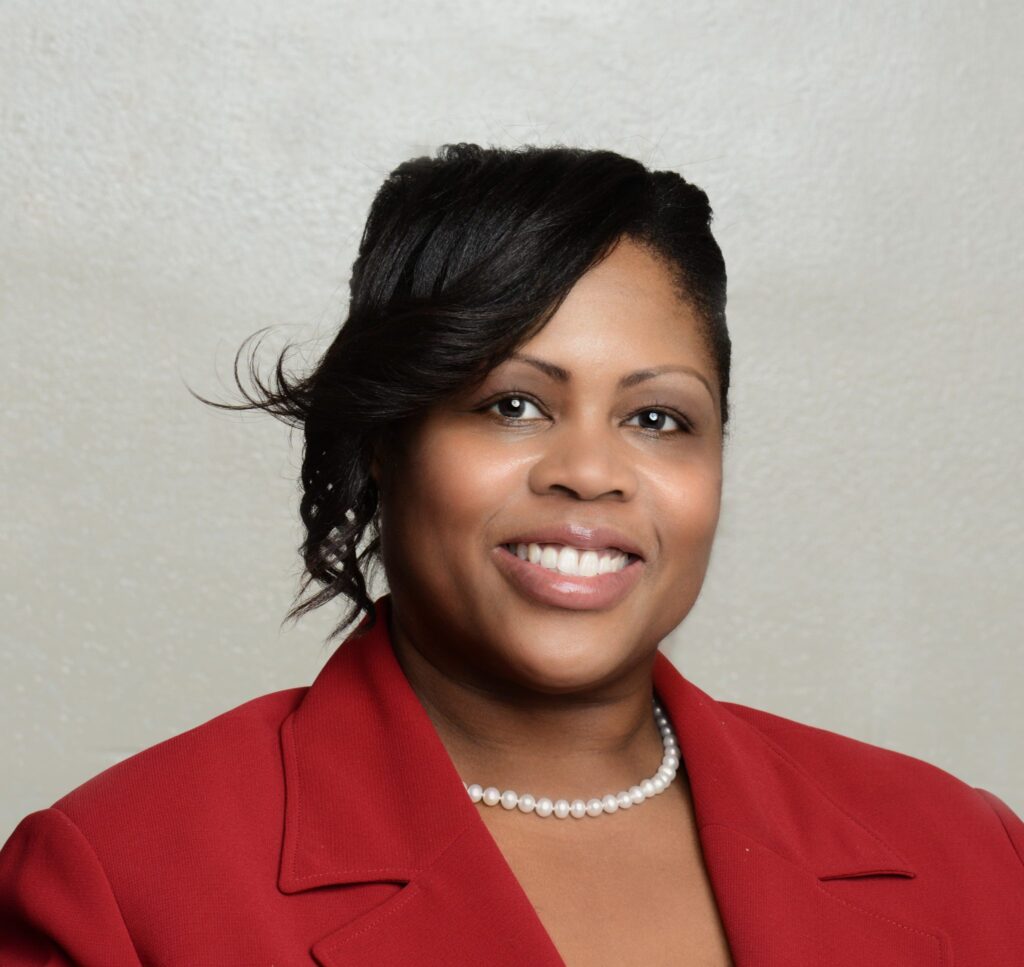
Dr. Arlene Charles, COO, Outdoor Industry Association
Why is Black leadership in the outdoors important?
We all have different lived experiences, so our relationships with the outdoors are not the same. Diverse leadership ensures that all voices are heard in decisions that impact people’s sense of belonging in outdoor spaces. Representation at the leadership level helps organizations make inclusive choices in communication, marketing materials, and policies, reducing the risk of insensitive or exclusionary messaging.
What inspired you to pursue a career in the outdoor industry, and what keeps you motivated?
I have always loved the outdoors and focused on equitable solutions to public issues. However, it wasn’t until the onset of COVID-19, when I joined OIA in a remote role, that I truly recognized how essential outdoor access is for everyone. Spending more time at home, taking walks in my neighborhood, and expanding my garden reinforced this belief. I stay motivated by the idea that the outdoors is everywhere and can be enjoyed in many ways. There is a business imperative to acknowledge and engage consumers from all backgrounds, and I believe every child—regardless of zip code—deserves access to safe and enjoyable outdoor spaces.
What role do brands and organizations play in increasing Black representation in the outdoors?
Representation matters. Brands and organizations must be intentional about hiring leaders and staff from diverse industries and marketing to a broad consumer base, including those who engage with the outdoors in more casual ways. They should also strive to authentically reflect how Black people and communities enjoy outdoor spaces.
What advice would you give to the next generation of Black leaders in the outdoor industry?
Walk into every situation with confidence, knowing you belong in any room you enter. If there isn’t a seat at the table, bring your own chair—your voice matters. While Diversity, Equity, and Inclusion may be used as buzzwords or even as barriers, these moments call for resilience. Draw strength from our ancestors, leverage support from allies, and continue amplifying shared values for people and the planet.
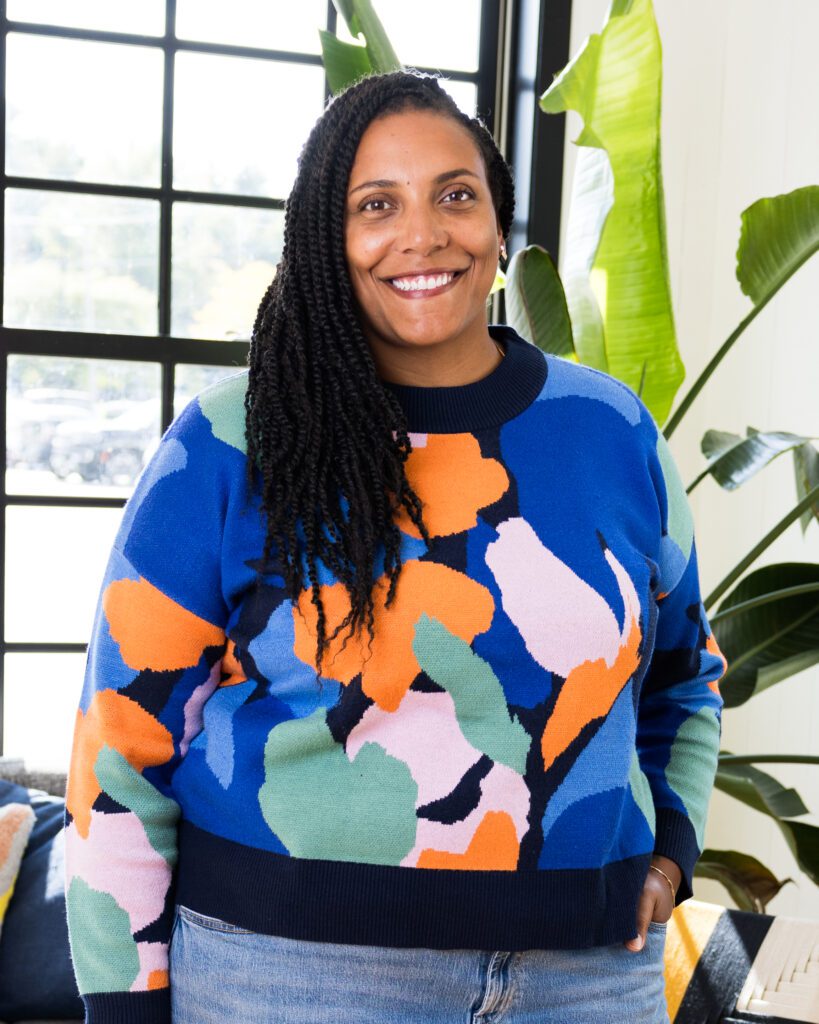
Ashley Laporte, VP of Purpose & Impact, Burton Snowboards
Why is Black leadership outdoors important?
Black people have always had an inherent connection to the outdoors. Black history and Black experiences have a place in our collective understanding of the outdoors. The industry is not as strong as it could be without that history, without those experiences. We could be so much more with it. So Black leadership is a way to ensure that history, those experiences, those stories get told and become a part of our collective understanding of the outdoors.
What inspired you to pursue a career in the outdoor industry, and what keeps you motivated?
I have been a snowboarder for most of my life. I’ve never been particularly good, but it connects me to the outdoors and to my body – which is incredibly powerful as a fat, Black woman. I want more people to get to feel the way I feel on my board. To find an opportunity to connect my passion for corporate impact and my passion for connecting people to the outdoors is such a privilege.
What role do organizations play in increasing Black representation outdoors?
So many. As employers, investors in the industry / supply chain, marketers and advertisers, philanthropists and so much more. Representation – when done well – is about building power. Businesses have a lot of power and can use it to build empowered Black representation across the industry. Which benefits ALL people. Empowered Black representation means we’re growing the industry and making it inclusive to more people – that benefits everyone.
What advice would you give to the next generation of Black leaders in the outdoor industry?
Don’t settle. Ensure our work in the industry is generative for generations to come. I heard Janelle Monet once said: “I come in peace, but I mean business.” Let’s ensure that we work collaboratively in the industry for more than representation – let’s work toward empowerment.
What challenges have you faced as a Black person navigating outdoor industries and spaces?
I would sum it up by saying that I rarely get the benefit of doubt when I walk into a room. I need to demonstrate my connection to white people, display my credentials, and over expend energy in trust building to be taken seriously.
How do you think outdoor culture has evolved regarding diversity and inclusion?
The industry is ever evolving. I hope that we can evolve to a place where they perspective moves FROM the idea that the industry is introducing people of color to the outdoors and TO a place where the industry recognizes that people of color have always been here. Our indigenous siblings were the original stewards of the land. When we embrace that as an industry, our work becomes less about tokenized representation and more about building toward a future where all people can coexist and thrive together in the outdoors.
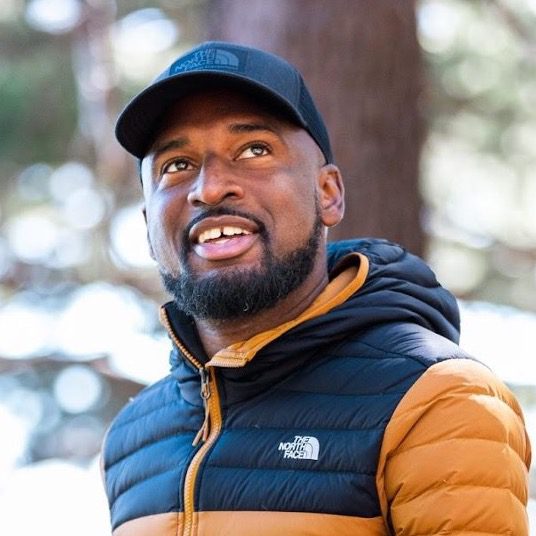
Lesford Duncan, Executive Director, Outdoor Foundation
Why is Black leadership in the outdoors important?
Black leadership in the outdoors is important because it brings diverse perspectives and experiences to a space that has historically been exclusive. Representation in outdoor recreation affirms that we’ve been outside and that we will continue to exist and find joy, health, solace, and community there. Representation in the outdoor industry ensures that our diverse ways of being in the outdoors are reflected in the apparel we wear, the equipment we use, the stories that are told, and the experiences that we feel when we get there. It fosters an environment where people of all backgrounds can feel seen and valued. Black leadership also provides role models for young people of color, cultivating the next generation of outdoor enthusiasts and champions for conservation and our planet.
What inspired you to pursue a career in the outdoor industry, and what keeps you motivated?
My inspiration for working in the outdoor industry came from a deep-rooted love for nature and the outdoors, combined with awe for how the outdoors heals and restores us. As a child, my (often mischievous) adventures fed my insatiable curiosity about the natural world. From the age of 8, I would climb trees in my backyard, ride my bike to local parks and beaches, and camp with my family and church group. Experiences both near to home and more remote cultivated a deep sense of wonder. The outdoors was also an important space for me to grieve and heal – I think about the woods I ran to when my mom passed when I was 17. I’m grateful for the work I get to do at the Outdoor Foundation, and with our partners, to create more space and spaces for children and youth to find their own life-changing moments in the outdoors.
What role do brands and organizations play in increasing Black representation in the outdoors?
Brands and organizations play a pivotal role in creating opportunities for Black and underrepresented communities by engaging, investing, and amplifying.
Engaging: The Outdoor Participation Trends Report shows that diversity in outdoor participation is on the rise, but there is still a gap in representation. There are more Black outdoor recreationists in the U.S. than ever before, but the outdoor industry still hasn’t found a way to fully engage these new outdoor enthusiasts. Engagement goes beyond outreach. It is authentically connecting with diverse communities in ways that allow them to feel seen, planned for, marketed to, supported, and welcomed by the outdoor industry.
Investing: Companies have several opportunities to meaningfully invest in Black representation in outdoor recreation – from early nature connections and outdoor experiences to career opportunities for diverse talent. One of the ways to invest is by funding youth and family outdoor programs, such as the Outdoor Foundation’s Thrive Outside Initiative, which, in 2024, connected over 115,000 individuals (and over 37,000 Black youth) to transformative experiences in the outdoors.
Amplifying: Lastly, companies can challenge the status quo by amplifying Black voices and Black-led organizations. By collaborating with organizations focused on equity and access, brands can play an important role in ensuring that those most closely connected to, and trusted by, communities are centered and equipped to create access and bring more people in. When Black leaders and communities thrive, our industry is better off. And remember that it’s not just about marketing – it’s about deeply embedding the value of inclusivity into your mission and operations.
What advice would you give to the next generation of Black leaders in the outdoor industry?
To the next generation of Black leaders in the outdoor industry, I’d say: stay true to yourself and your passion. The outdoor industry is full of opportunity, but it requires resilience and courage to navigate. Seek mentorship and surround yourself with a network of like-minded individuals who share your vision for a more inclusive future. Don’t be afraid to use your voice, even if it feels like you’re challenging the norms. And most importantly, keep pushing forward, because the world needs your leadership, ideas, and perspectives more than ever.
What challenges have you faced as a Black person navigating outdoor industries and spaces?
As a Black person in the outdoor industry, some of the challenges I’ve faced include being one of the few people of color in certain spaces and confronting assumptions about my interests or qualifications. There’s also the challenge of being “othered” or having to prove that I belong, especially when the narrative about outdoor spaces has historically not included people of color (note that I said “narrative”, because we’ve always had a relationship to the outdoors). These challenges can be exhausting, but they also fuel my determination to make the outdoor space more welcoming and representative of the communities it serves.
How do you think outdoor culture has evolved in terms of diversity and inclusion?
Outdoor culture has definitely evolved over the years, but we still have a long way to go. There’s been a growing recognition of the need for representation and a sense of belonging, and more people are speaking out about the importance of inclusivity. At the same time we’re at an interesting moment in time where the term “diversity, equity, and inclusion” has been mischaracterized and attacked in various social and political arenas. At its core, an equitable and inclusive outdoor culture creates opportunities for everyone to thrive in nature. Nature and outdoor recreation has a powerful way of bringing us together, even across social, economic, and political divides. At this moment in time, it is important for us to continue and to grow support for initiatives, programs, and partnerships focused on removing barriers to access and creating opportunities for people of all races and backgrounds. Together, we’ve made progress, and now it’s about sustaining and expanding these efforts.
Sam Kelly, Contemporary Sonic Architect, Ellisbeetle Entertainment
Why is Black leadership in the outdoors important?
Black leadership in outdoor spaces is essential because it carries the power to shape a more inclusive and diverse narrative. When people of color don’t see themselves reflected in leadership roles, it sends a silent yet powerful message that these spaces might not be for them. Representation matters—it creates a sense of belonging and opens doors for others to feel welcome, to explore, and to thrive in environments that have often been historically exclusive. Undoing the barriers and biases of history is no small feat; it takes time, persistence, and the courage to stand as a visible symbol of change. Black leadership in the outdoors isn’t just about representation—it’s about lighting the way for others to see where they too can belong.
What inspired you to pursue a career in the outdoor industry, and what keeps you motivated?
Surrounded by the rugged beauty of Utah, with the Wasatch and Oquirrh mountains constantly in view and land I own perched atop an ancient sea cliff in Duchesne County, I couldn’t ignore the draw of the outdoors. Storylines began forming in my mind as I immersed myself in these natural spaces, blending the poetic rhythms of my environment with melodic ideas waiting to take shape. My interest in writing deeply focused on National and State Parks was already growing, but the turning point came when we were invited on a flyfishing adventure with Chad Brown, Jahmicah Dawes, Erica Nelson, Nick Brooks, Jacob Fisher and the education session by Will Robinson (Ahunahikes).
Sharing those moments and walking with Jahmicah on Antelope Island State Park while exchanging thoughts and dreams, was profoundly affirming. It solidified my sense of purpose. What keeps me motivated is the constant pursuit of knowledge—researching parks through literature, tapping into university archives, and exploring music tied to National Parks. I experiment with sounds that honor what’s already there and imagine melodies for what isn’t yet discovered. The work becomes an extension of the landscapes themselves.
What role do organizations play in increasing Black representation outdoors?
Organizations are crucial catalysts in increasing Black representation in outdoor spaces. They act as bridges, connecting us to people and resources that make our vision achievable. They amplify our voices, help cultivate platforms, and provide the tools necessary to educate, inspire, and engage communities about the significance of inclusivity outdoors. By building relationships and creating networks, organizations offer the support systems we need to ensure people understand what we’re doing, why we’re doing it, and how it benefits everyone. Their role isn’t just to help us step forward; it’s to help us bring others along with us.
What advice would you give to the next generation of Black leaders in the outdoor industry?
Persevere! Your path will undoubtedly come with challenges, but each obstacle you face becomes part of your story and strengthens your resolve. Stay aligned with the purpose that first inspired you and keep the end goal in your sight. Don’t shy away from revisiting ideas or shifting strategies—adaptation isn’t failure; it’s creativity. Every adjustment you make adds a new layer to your vision. Keep your passion alive and remember that you’re paving the way for the future, creating possibilities for others to follow.
What challenges have you faced as a Black person navigating outdoor industries and spaces?
As a Contemporary Sonic Architect born and raised in Utah, I’ve always felt a strong pull toward colorful, dynamic spaces filled with untapped possibilities. My creative process thrives on blending diverse genres, often leading me to ask myself, “What if I…?” However, the assumption that my work aligns with preconceived notions of Black art often results in misplaced expectations, empty promises, and canceled opportunities. It can feel like conversations rarely evolve into action. Despite these setbacks, I continue to push forward, driven by the desire to break barriers and redefine norms. It’s an ongoing challenge, but one that fuels my determination.
How do you think outdoor culture has evolved regarding diversity and inclusion?
When I reflect on how outdoor culture is evolving, I feel a mix of hope and urgency. Without diversity and inclusion, there’s this untapped potential—so many people remain unacquainted with the breathtaking beauty and freedom that outdoor spaces offer. It’s not just about the trails, the parks, or the open skies; it’s about breaking down barriers and rewriting the narrative of who belongs out there.
I’ve had heartfelt conversations with a few well-known celebrities of color about the importance of experiencing National and State parks and why I’m so deeply inspired to share these stories. There’s something powerful in passing on knowledge, whether it’s through music, products, or ventures that educate and embody this culture. I dream of a future where diversity and inclusion in outdoor spaces aren’t questioned or tokenized—they’ll simply be recognized as the fabric of what it means to be truly cultured. That’s the vision that keeps me going, step by step, in this evolving movement.
Teresa Baker, Founder, In Solidarity Project
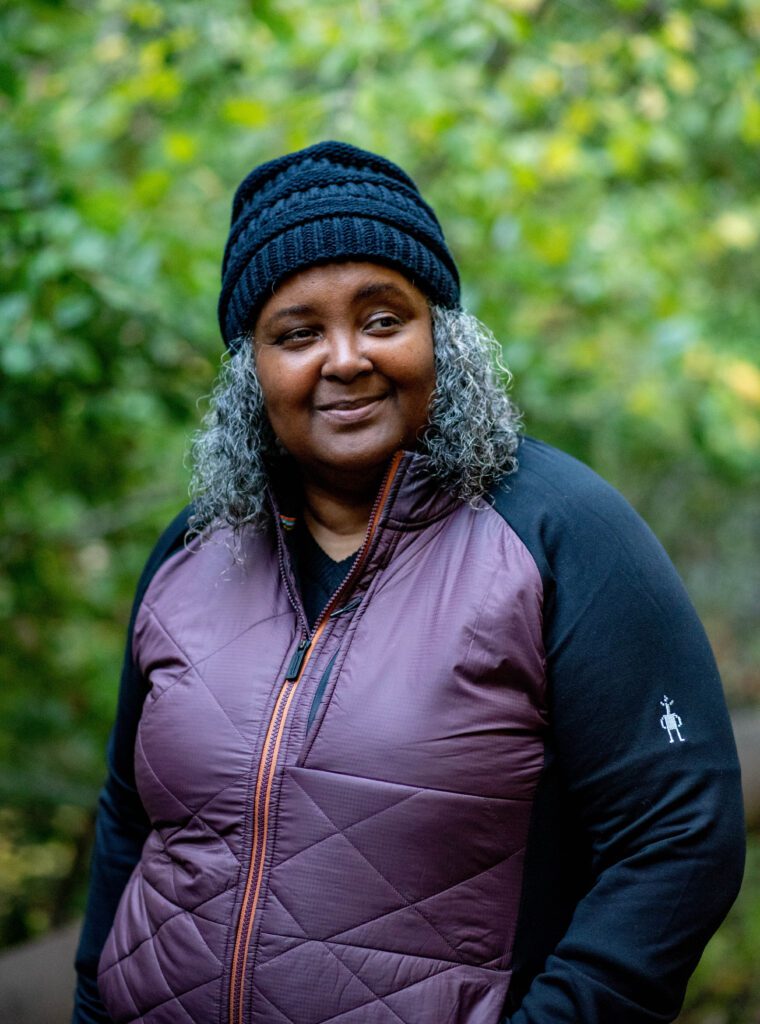
Why is Black leadership in the outdoors important?
Black people have always been part of the American landscape. From sharecroppers, to trail builders, our natural spaces are part of who we are. Over time our stories have started to become erased or written about on the back pages of history books. It’s vital that we continue to share stories of our contributions as leaders in outdoor spaces, so that when we talk about conservation or environmental protection, we talk about the complete picture, which includes black people.
So as outdoor orgs, agencies and brands seek out new leadership, they have a larger pool of candidates to pull from, candidates who have historically been discounted and overlooked for such roles. Build a longer table so that more people can sit and have a say in how we govern and protect outdoor spaces.
What inspired you to pursue a career in the outdoor industry, and what keeps you motivated?
I am inspired by those who came before me. The Buffalo Soldiers who cared for the lands of our national parks, built some of the first roads into Yosemite, and in the Sierra’s. James Beckwourth who led groups through the Sierra’s, when it was unsafe for black people to take on such a role. Dr Rae Wynn-Grant, an amazing wildlife ecologist, and of course Ranger Betty Reid Soskin of the national park service. I do what I do because I love the outdoors and because I am obligated to these individuals to continue their legacies and make sure their stories remain.
What advice would you give to the next generation of Black leaders in the outdoor industry?
I would say to our young people, no matter their race, stand strong in your beliefs and in fairness, do not allow bad to win. The journey of change is generational. It started before you and will continue after you. If you care about our natural outdoor spaces, fight to make sure that everyone has a voice and that everyone is seen and included. The future is now, prepare for it as if it is yours, because it is. do not stand idly by and accept how the outdoors is portrayed, make it better, make it shadow what the demographics of this country will soon be. This work is not easy, but well worth it. Bond with those who look different than you, think differently than you, but hold a love for nature that is unmatched by the cultural difference you may have.
And for young Black leaders who are up and coming, do not give into the lies fed to you about belonging, these outdoor spaces belong to you too. Claim them, cherish them, love nature and protect her, for these spaces hold stories of your history. Recite those stories and do not allow them to become hidden in stories about nature that do not include you.
How do you think outdoor culture has evolved regarding diversity and inclusion?
I was somewhat hesitant in answering this question, but here goes. About 9 years back I attended my first Outdoor Retailer show. I didn’t know what to expect but heard from folks not to expect much in the way of diversity. They were right. Walking into the conference center in Denver, it was shocking to see the make-up of the attendees, from the brand reps to the general audience, whiteness at every turn. I thought to myself, the work I’ve committed myself to will be harder than I imagined. As the years went by and I attended more and more OR shows, it started to feel more welcoming. I built relationships with brands, and as more of my friends started attending, it became something we looked forward to.
Fast forward to 2020 when the entire world seemed to care about diversity in every industry. The outdoor world started to really put in work around DEI and it felt as if we were making progress, and we were. One brand in particular, Granite Gear, a small but mighty staff in Rob and David, really stepped up around matters of DEI. Rob started hosting a Hot Minute on IG and they were open about supporting this work. To this day, they continue to shine.
So, all in all, the Outdoor industry has made strides in this work. Some brands are doing more than others, but we have a long way to go to ensure equity in outdoor spaces and outdoor brands. I’m happy about the work the Outdoor Diversity Alliance is doing, we are a young org, but the commitment is there. I applaud all the brands who remain members through this hailstorm of backlash we are currently under around DEI. As an industry, if we stand in support of one another, we will continue to make strides, but we must not be afraid to try. I’ve always said, let people try, fail and try again. That’s the only way we will move forward.
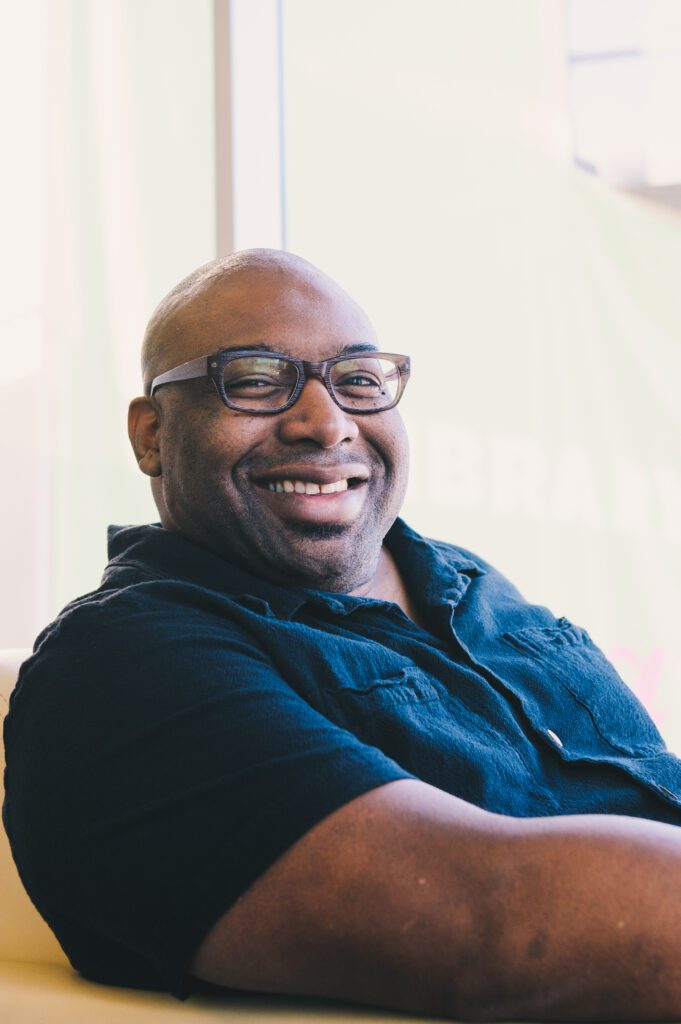
Jahmicah Dawes, Owner and Creative Director, Slim Pickins Outfitters
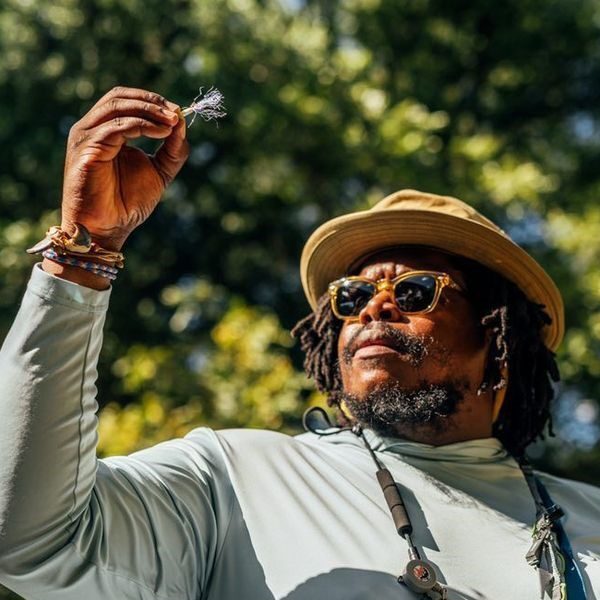
Why is Black leadership in the outdoors important?
Black leadership in the outdoors is crucial for showcasing Black excellence and the multifaceted nature of Black existence in outdoor spaces. This legacy of leadership is exemplified by historical figures like York, a key member of the Lewis and Clark Expedition, the Buffalo Soldiers who protected Yosemite National Park, and Charles Crenchaw, the first African American to summit Mt. McKinley. Their leadership paved the way for contemporary leaders like Alex Bailey, who oversees the largest overnight camp for Black girls through Black Outside; the Black Waters Team, which leads a fly-fishing expedition to the Gates of the Arctic National Park; and Emily Ford, who is striving to become the first Black woman to complete the Iditarod dogsled race. Sharing and celebrating these stories ensures that the rich tradition of Black leadership in the outdoors not only endures but continues to flourish.
What inspired you to pursue a career in the outdoor industry, and what keeps you motivated?
Perhaps it would be more accurate to describe what didn’t inspire my career path: the outdoor industry itself. My motivation is that we strive to see the outdoor industry more representative of, well, the outdoors now and the outdoors historically. I think a grave miscalculation has been made to not market to all of the actual people who are outside recreating. And when I say that we are not being marketed to, I mean, more specifically, we are not seeing people who look like us in the marketing campaigns.
What role do brands and organizations play in increasing Black representation in the outdoors?
The outdoor industry has failed to accurately represent the diversity of people who enjoy outdoor recreation, both now and historically. This oversight includes a lack of marketing to all demographics who participate in the outdoors. Specifically, marketing campaigns often lack representation of diverse individuals, leading to a sense of exclusion among those who do not see themselves reflected in the advertising. So, the solution is to not merely use black models or influencers in marketing campaigns but to incorporate us individuals who are actually doing the work in the outdoors and in the outdoor industry. I want to see Benje Williams of Outlandish in New York in marketing campaigns with the brands that he carries, like Salomon or Ciele; or Mandel Echefu of Wheelz Up Adventures in marketing ads of the cycling or winter sports that he outfits for. These are the roles and responsibilities brands and organizations have. Showing us in these storied ads is another way of telling our stories.
What advice would you give to the next generation of Black leaders in the outdoor industry?
My first action would not be advice but gratitude. I would first say “Thank you,” and that you are the validation for what we are doing and enduring now. Next, I would say, “Don’t wait for the industry to welcome you in, and don’t try to fit inside this box of what the industry says is the outdoors or is the ‘Outdoorsy’ look.” The box was never constructed to include you or me or people that look like us. My charge and challenge to the next generation of Black leaders in the outdoor industry is to build a staircase-type approach where we can include and elevate.
What challenges have you faced as a Black person navigating outdoor industries and spaces?
I would say that the feeling of seclusion is a huge one to grapple with. I would also say the assumption that just because I’m in this industry means that, well, I can easily afford the lifestyle that this industry promotes or maybe expects. I wouldn’t say that is something specific or particular to me being black; I remember meeting another shop owner at a tradeshow, and he made the comment that one day he would like to enjoy the lifestyle that his shop and the brands he carries promotes. I would actually say that was a challenge that was unifying in a way. Overall, though, I would say the seclusion in the industry and its spaces and those moments where I’m asked a question and I want to always make a disclaimer of “I’m not speaking for all Black people, or all Black men” in the industry. We aren’t a monolith, and the fact that it is actually a “WE” now. I challenge people to reach out to the Black people in the industry and ask them. “Don’t worry, I’ll make the introduction,” I joke with them. Lastly, being in this industry is a challenge for mental health sometimes. Especially lately with so many companies moving away from their DEI efforts. Especially to appease a system and administration that does not prioritize preserving and conserving the outdoor spaces we collectively love, enjoy, and find solace in.
How do you think outdoor culture has evolved in terms of diversity and inclusion?
Honestly, the industry has not evolved enough. But that can’t be the litmus test that determines my involvement or commitment. This is a movement, and this movement is a marathon. So, pace yourself and show grace to yourself and others because they won’t all get it. But some will and even more want to.